Understanding Metal Roofing Companies
What Are Metal Roofing Companies?
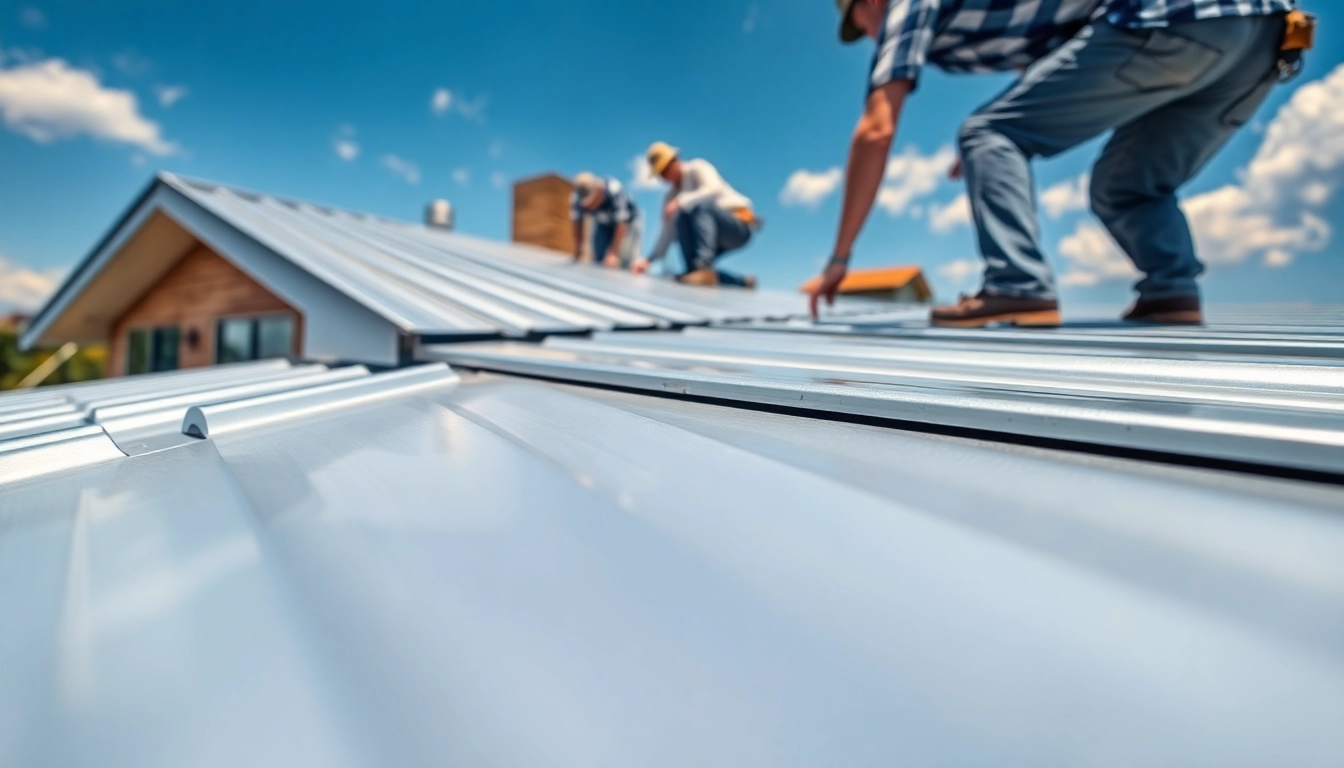
Metal roofing companies specialize in the design, supply, and installation of metal roofing systems for various types of structures, including residential homes and commercial buildings. These companies leverage specialized skills and knowledge to provide durable, energy-efficient, and aesthetically pleasing roofs that are capable of withstanding extreme weather conditions. Metal roofing is not just about installing sheets of metal on a roof; it involves various techniques, materials, and engineering practices to ensure that the roofing system functions efficiently and integrates well with the building's architecture. From consulting on design choices to executing the installation process, metal roofing companies play a crucial role in the lifecycle of a roofing project. In the current market, there has been a noticeable increase in demand for metal roofing solutions, driven by their long-term benefits, such as reduced maintenance needs and energy savings. For homeowners and property developers alike, selecting the right metal roofing companies can significantly impact the overall success of a roofing project.
Services Offered by Metal Roofing Companies
Metal roofing companies provide a diverse array of services, which can broadly be divided into several key areas: - Consultation and Design: Many companies offer expert consultations to help clients determine the best roofing solution based on their specific needs, budget, and aesthetics. - Material Supply: They source various types of metals, such as aluminum, steel, copper, and zinc, along with a range of finishes and colors, providing clients with a selection of materials that suit their style preferences. - Installation: The core service is the professional installation of metal roofs, which necessitates skilled labor to ensure that the roofing system is fitted correctly and to the highest standards. - Maintenance and Repair: Reputable companies often provide continued support after installation, including regular maintenance, inspections, and repair services to ensure the longevity and performance of the metal roof. - Warranty Services: Many companies offer warranties on both materials and workmanship, providing peace of mind and protection against unforeseen issues down the line. These comprehensive services are beneficial for homeowners and builders looking for enduring and reliable roofing solutions.
Importance of Choosing Reputable Metal Roofing Companies
Selecting a reputable metal roofing company is pivotal for achieving desired results. A professional company brings years of expertise, ensuring that the roofing system is installed correctly and performs as expected over time. The advantages of working with reputable metal roofing companies include: - Quality Assurance: Reputable companies prioritize quality, sourcing high-grade materials and employing skilled labor, which typically results in superior roofing products. - Insurance and Licensing: Many established companies operate under recognized licenses and carry insurance that protects clients from potential liabilities during installation. - Customer Service: Reliable companies value their reputation and typically offer excellent customer service, from initial consultation through to post-installation support. - Expertise and Technical Knowledge: Experienced professionals are equipped with a deeper understanding of local building codes, climate considerations, and the latest industry trends, ensuring that your roofing project is compliant and up to date. - Recommendations and Reviews: Opting for well-reviewed service providers allows homeowners to benefit from the experiences of others, reducing risks associated with poor workmanship or service delivery. By ensuring that you select a well-regarded company, you set the foundation for a roofing project that not only meets but exceeds expectations.
Benefits of Metal Roofing
Durability and Longevity of Metal Roofs
Metal roofs are renowned for their durability and longevity, often lasting between 40 to 70 years compared to traditional asphalt shingles that may only last 20 to 30 years. This long lifespan is due to the materials used in metal roofing, which are resistant to challenges such as severe weather, UV rays, and corrosion. Moreover, metal roofs can withstand extreme temperatures and high winds, making them ideal for regions prone to harsh climates. Their strong construction helps prevent leaks and damage, requiring fewer repairs over their lifespan, which translates into significant cost savings for homeowners.
Energy Efficiency in Metal Roofing Solutions
Energy efficiency is a vital consideration for homeowners looking to minimize their utility bills. Metal roofs reflect solar radiant heat, which can result in lower energy costs by keeping homes cooler in warmer months. With the right insulation and reflective coatings, metal roofing can significantly reduce heating and cooling demands within the home. Additionally, many metal roofing companies now offer energy-efficient options that meet or exceed Energy Star ratings, helping homeowners qualify for possible tax credits and rebates.
Eco-Friendly Aspects of Metal Roofing
Metal roofing is a sustainable choice for environmentally-conscious consumers. Firstly, metal is recyclable, meaning that at the end of its lifepan, it can be repurposed rather than ending up in a landfill. Many metal roofing materials are made from recycled content, making them a greener option compared to traditional materials. Moreover, because of their durability and longevity, fewer materials are needed for replacements, leading to less consumption of resources over time. Therefore, choosing metal roofing supports eco-friendly practices and reduces the overall carbon footprint associated with roofing materials.
How to Choose the Right Metal Roofing Companies
Key Factors to Consider
When selecting a metal roofing company, several key factors should influence your decision: - Experience: Look for companies with a proven track record in metal roofing systems. Experienced contractors are more likely to deliver satisfactory results. - Portfolio of Past Work: A company's portfolio showcases its capabilities and can help you gauge whether their style aligns with your vision. - Client Testimonials: Honest reviews and references from past clients provide insight into a company's reliability and the quality of their work. - Licensing and Insurance: Ensure that the company holds the necessary licenses and insurance to protect against mishaps during the project. - Warranty Offerings: Inquire about warranties offered on both materials and workmanship to ensure you're covered should any issues arise. Taking the time to evaluate these factors can lead to a more satisfying experience and end product.
Questions to Ask When Hiring
Before committing to a metal roofing company, it is essential to ask pertinent questions to clarify aspects of the project. Here are a few questions worth considering: - What types of metal roofing systems do you offer? - How long will the installation take? - Do you conduct a thorough assessment of the current roof? - What kind of maintenance do you recommend post-installation? - Can you provide customer references or testimonials? These questions can help ensure that you fully understand the offerings and processes of the roofing company you are considering.
Comparing Quotes from Metal Roofing Companies
Once you have narrowed down potential candidates, obtaining quotes is an essential step. When comparing quotes, consider not just the price, but also what is included: - Material and labor costs: Ensure that the quote specifies the type of metal and installation service. - Timeframe: Understand the projected timeline for completion. - Warranties: Compare warranty terms to understand what coverage is included. - Total project cost: Look for hidden fees or costs that might not be immediately evident. A comprehensive comparison can guide you in selecting the most balanced combination of quality and affordability.
Installation Process by Metal Roofing Companies
Preparation and Planning for Installation
Preparation is key for a successful roof installation project. It begins with an assessment of the existing roof structure, including necessary repairs, and planning for the new installation. The planning phase should ensure that all materials are sourced and scheduled for delivery prior to commencement to avoid delays. Additionally, homeowners should be informed about the process as well as any potential disruptiveness that installation might create. A solid plan sets the foundation for a smooth installation process.
Steps Involved in Metal Roof Installation
The installation process itself consists of several critical phases: 1. Roof Inspection: The contractor assesses the existing roof for damage and makes necessary repairs. 2. Material Acquisition: All required materials are sourced and inspected prior to installation to ensure they meet specifications. 3. Installation of Underlayment: A weather-resistant underlayment is installed to protect against moisture infiltration. 4. Metal Panel Installation: Metal panels are cut to size and securely fastened based on the specific roofing design. 5. Flashing and Trim Work: Flashing is applied to areas requiring extra protection from water penetration (like edges or joints). 6. Final Inspection: Post-installation, a thorough inspection is conducted to ensure everything meets quality standards. Each step is crucial for ensuring that the metal roofing system is durable, functional, and attractive.
Post-Installation Considerations
After the installation, homeowners should familiarize themselves with important post-installation considerations, such as scheduling routine inspections and maintenance. Discuss with the contractor what constitutes regular upkeep and any specific care procedures recommended for the installed metal roof. Moreover, ensure that the contractor provides all necessary documentation, including warranties and maintenance guidelines, which can be useful in the long-term care of the roof.
Maintenance and Care for Metal Roofs
Regular Maintenance Tips
Maintaining a metal roof is relatively straightforward but does require routine care to extend its lifespan. Here are some key maintenance tips: - Regular Inspections: Schedule annual inspections, especially before seasonal changes, to catch any potential issues early. - Clean Debris: Remove leaves, branches, and other debris that could retain moisture and promote corrosion. - Check for Rust or Damage: Look for signs of rust or damage and address them promptly to prevent further issues. - Inspect Seams and Flashing: Ensure that seams and flashing are secure and sealed properly to prevent leaks. Implementing a regular maintenance schedule can save time and money on repairs in the future.
Common Issues and Solutions
Even with robust materials, metal roofs can encounter issues. Here are some common problems and their solutions: - Rusting: If you notice rust, it’s essential to remove it immediately and repaint the affected area with rust-inhibiting metal paint. - Loose Panels: Over time, panels may become loose due to thermal expansion and contraction. Tightening fasteners can usually fix this. - Punctures or Dents: These can happen due to hail or falling debris. They should be repaired quickly to prevent water infiltration. Addressing these issues promptly ensures that the integrity and longevity of the roofing system remains intact.
When to Contact Metal Roofing Companies for Repairs
Knowing when to seek professional help is essential for maintaining your metal roof’s condition. Reach out to metal roofing companies when: - There are visible signs of damage, like rust or sagging panels. - Roof leaks are detected, which can cause interior damage. - The initial warranty period is nearing its end. Professionals can conduct a final inspection or maintenance service. Promptly addressing issues and consulting experts can significantly mitigate further damage and ensure the roof continues to provide protection.
Frequently Asked Questions
What is the typical lifespan of a metal roof?
Metal roofs can last 40 to 70 years with proper maintenance, depending on the material used.
Are metal roofs noisy when it rains?
When installed with proper insulation, metal roofs can be quieter than expected, minimizing noise from rain or hail.
Do metal roofs require special flashing?
Yes, metal roofs require specially designed flashing to ensure water flows off correctly and prevents leaks.
Can I install a metal roof over an existing roof?
Yes, many metal roofing companies can install a new metal roof over an existing roof, though it depends on local codes and conditions.
Is maintenance more expensive for metal roofs?
Overall, maintenance for metal roofs is less frequent and may save money over time compared to traditional roofing materials.