1. What is Corrective Jaw Surgery Hawthorn?
a. Definition and Purpose
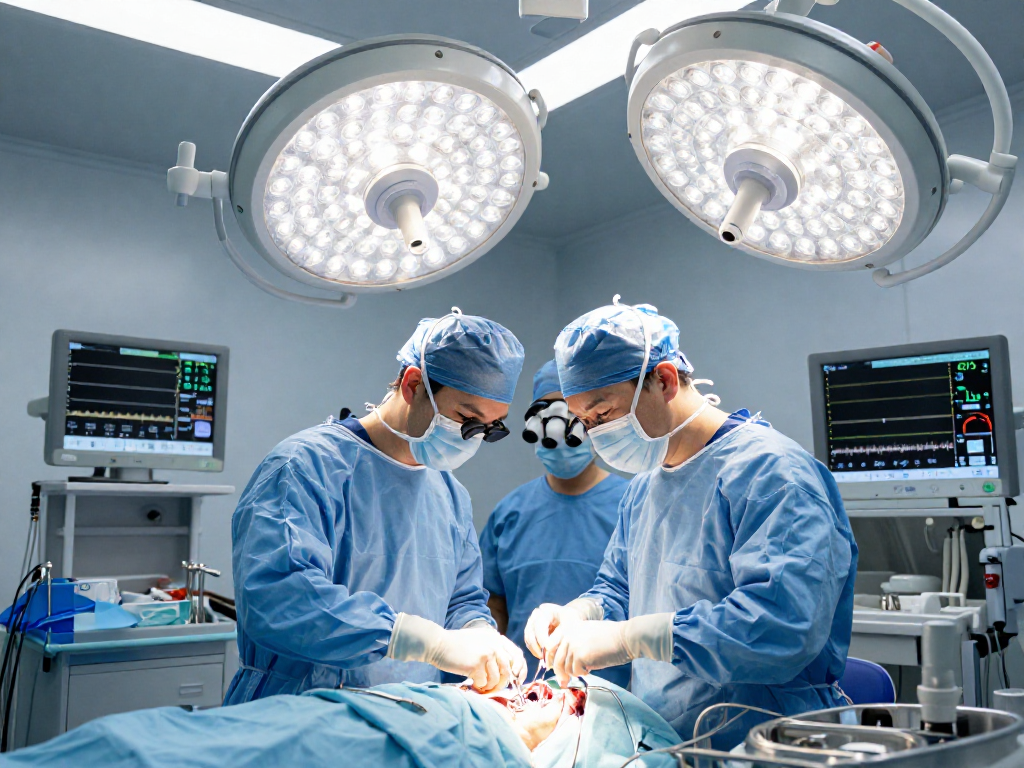
Corrective jaw surgery, also known as orthognathic surgery, is a specialized surgical procedure designed to realign the jaw and correct skeletal deformities in the facial structure. This surgical intervention aims to improve function by addressing bite issues, structural imbalances, or birth defects that can lead to dissatisfaction with one's appearance and difficulty in activities such as chewing or speaking. Patients seeking Corrective jaw surgery Hawthorn may experience significant quality of life improvements through enhanced aesthetics and oral health.
b. Conditions Treated with Corrective Jaw Surgery Hawthorn
Several conditions warrant the consideration of corrective jaw surgery, including:
- Malocclusion: Misalignment of the teeth leading to bite issues.
- Skeletal Dysplasia: Abnormal bone growth affecting jaw structure.
- Facial asymmetry: Noticeable discrepancies in facial structure.
- Sleep Apnea: Jaw alignment can contribute to obstructive sleep apnea.
- Cleft Lip and Palate: Congenital anomalies requiring surgical intervention.
c. Benefits of Surgery
The advantages of undergoing corrective jaw surgery extend far beyond aesthetic enhancement. Some critical benefits include:
- Improved Functionality: Better biting, chewing, and speaking abilities.
- Enhanced Aesthetic Appeal: Symmetrical facial structure contributes to improved self-esteem.
- Long-term Health Benefits: Correction of jaw misalignment can alleviate discomfort and pain associated with temporomandibular joint disorders (TMD).
- Prevention of Future Dental Issues: Proper alignment can lead to lower risks of cavities and periodontal diseases.
2. The Procedure of Corrective Jaw Surgery Hawthorn
a. Pre-surgical Consultations
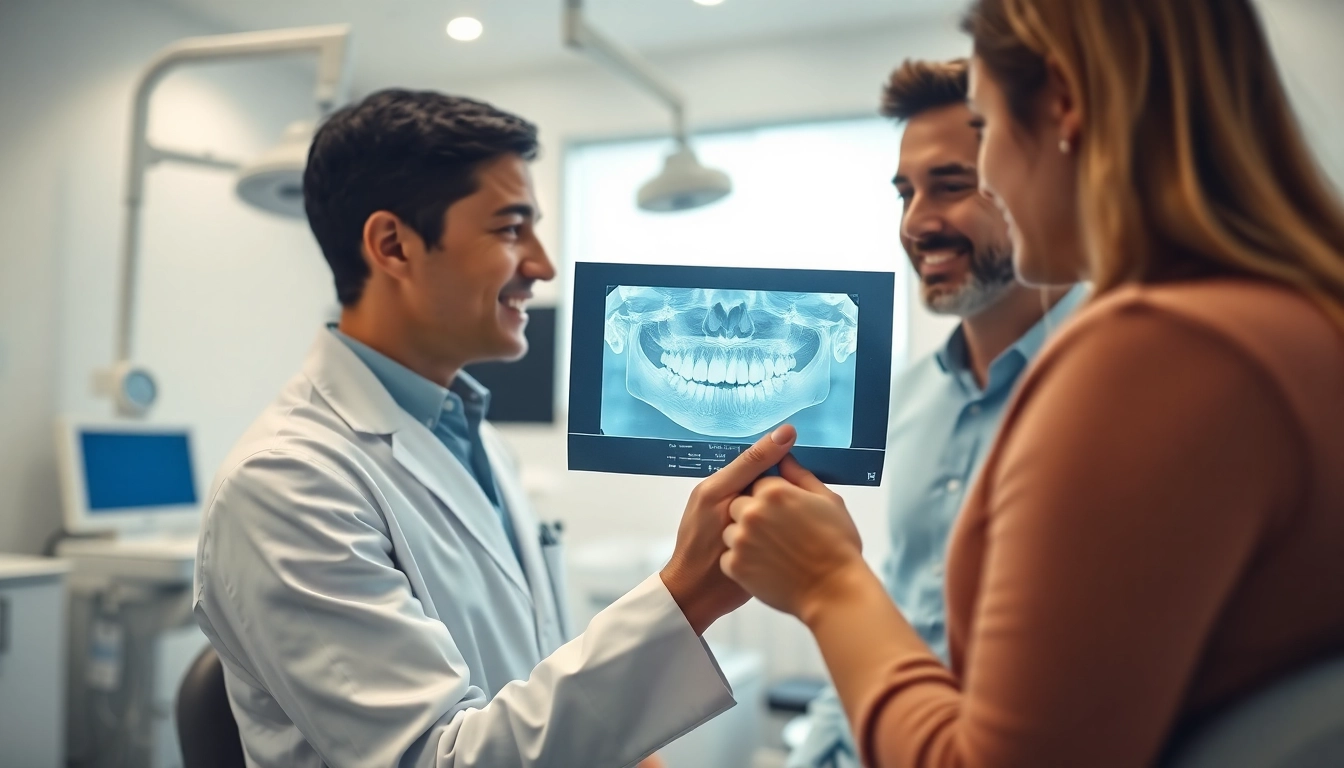
Before undergoing corrective jaw surgery, an extensive consultation process is essential. This typically involves a thorough discussion of the patient's medical history, physical examinations, and diagnostic imaging such as X-rays and 3D scans. The orthodontist and surgeon will outline the treatment plan and discuss potential outcomes, enabling patients to make informed decisions. Further, patients may undergo dental adjustments, including braces, to align the teeth before surgery.
b. The Surgical Process
The actual surgical procedure comprises several steps, often performed under general anesthesia:
- Access and repositioning: The surgeon makes incisions inside the mouth or on the face to access the jawbone.
- Bone reshaping: The jawbones are repositioned, and the surgeon may remove excess bone or add bone grafts.
- Securing the jaw: Plates, screws, or wires are used to secure the jaw in the new position.
- Closure: The incisions are closed with sutures, and a recovery plan is initiated.
c. Post-operative Care
Post-operative care is crucial for optimal recovery. Patients need to follow specific guidelines, including:
- Rest: Allow ample time for healing; minimize physical activity.
- Oral Hygiene: Maintain rigorous oral hygiene practices to prevent infections.
- Medication: Use prescribed pain management medications diligently.
- Dietary Adjustments: Consume soft foods and follow a suggested diet plan that gradually introduces more texture as healing progresses.
3. Recovery Expectations After Corrective Jaw Surgery Hawthorn
a. Healing Timeline
Recovery from corrective jaw surgery can vary among individuals. Generally, the healing process includes:
- Initial Recovery: The first week includes swelling and discomfort, requiring adequate rest.
- 2-6 weeks: Gradual improvement begins; most patients can return to normal activities after four to six weeks.
- 3-6 months: Continued healing where bone fully integrates and the final results become more evident.
b. Pain Management Strategies
Managing pain is a significant part of post-operative care. Some strategies include:
- Medications: Use over-the-counter medications or opioids as prescribed by the surgeon.
- Cold Compresses: Apply ice packs to reduce swelling and numb pain.
- Positioning: Keep the head elevated while resting to minimize swelling.
c. Dietary Recommendations
Following surgery, dietary restrictions are essential for healing. Recommended food options include:
- Soups and Broths: Nourishing and easy to consume; avoid hot temperatures that can irritate.
- Mashed Foods: Potatoes, avocados, or pureed vegetables provides essential nutrients.
- Protein Sources: Smoothies with protein powder, yogurt, or soft cheese to support healing.
4. Costs and Financing Options for Corrective Jaw Surgery Hawthorn
a. Average Surgical Costs
The cost of corrective jaw surgery varies widely based on the complexity of the procedure, location, and surgeon's expertise. Generally, patients can expect to pay between $20,000 and $40,000. This range may include pre-surgical consultations, operating room fees, anesthesia, and post-operative care. It's advisable to obtain estimates from multiple providers and inquire about what is included in the costs.
b. Insurance Coverage Options
Depending on the insurance policy, a portion of the surgical costs may be covered by health insurance. Most policies view corrective jaw surgery as a medically necessary procedure rather than purely cosmetic, allowing for eligibility for coverage. Patients should consult their insurance provider to understand the specifics of their benefits, deductibles, and any prerequisites for claims.
c. Flexible Payment Plans
For those facing high out-of-pocket expenses, many clinics offer financing options. These flexible payment plans allow patients to spread the costs of surgery over time with manageable installment payments. Options might include low-interest loans or payment plans tailored to individual budgets. Patients are encouraged to discuss financial options with their provider during consultations.
5. FAQs About Corrective Jaw Surgery Hawthorn
a. Is corrective jaw surgery painful?
Post-operative discomfort is common but manageable with prescribed medications. Pain typically decreases significantly within a few days to a week.
b. How long does recovery take?
Recovery varies by individual but generally spans several weeks to months for full healing and to see the final results.
c. Will I need braces after surgery?
In many cases, patients will require braces before and after surgery to ensure optimal tooth alignment and stability.
d. How can I prepare for the surgery?
Preparing involves pre-surgical consultations, dietary adjustments, and arranging for help at home post-surgery for better recovery.
e. Are there risks involved with corrective jaw surgery?
As with any surgery, risks include infection, bleeding, and adverse reactions to anesthesia. Discuss potential risks with your surgical team pre-operatively.