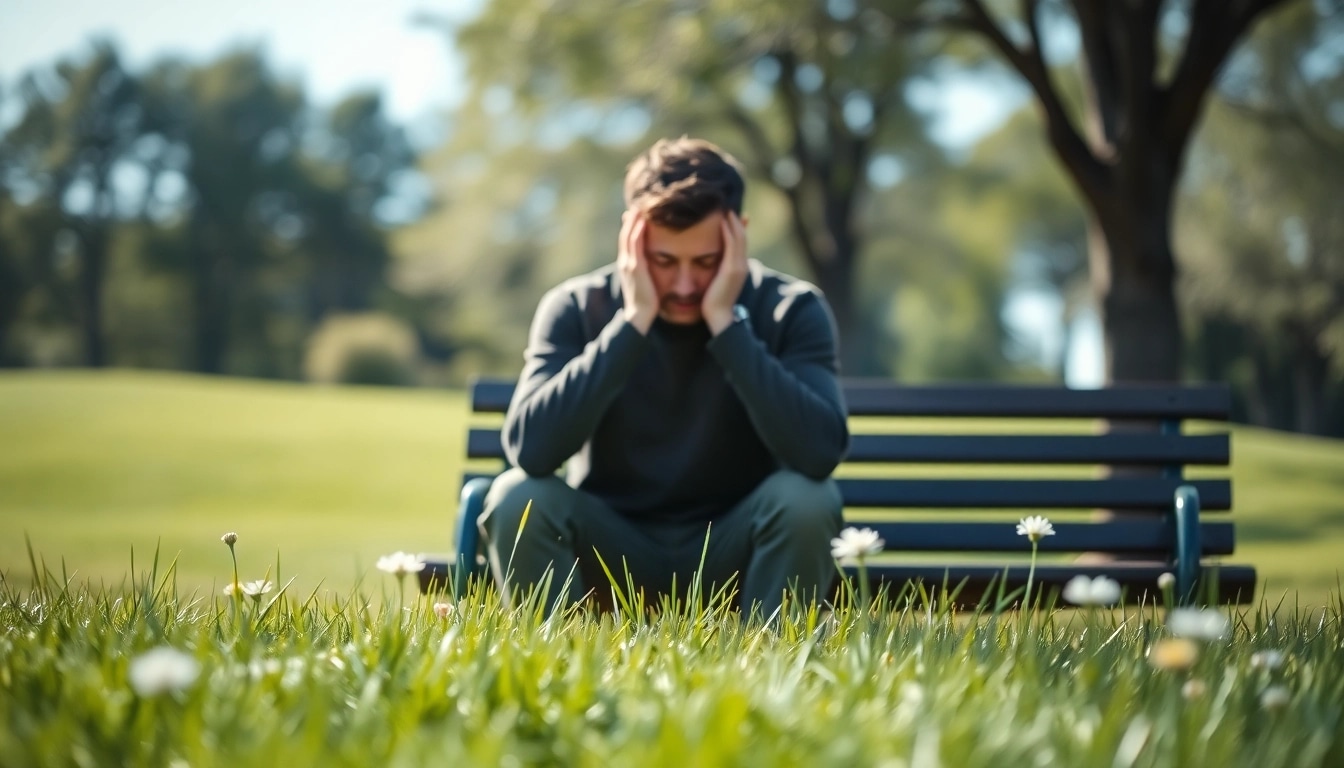
Introduction to Anxiety Symptoms
Anxiety is a complex emotional response that can manifest in various ways, often leaving individuals feeling overwhelmed and out of control. Understanding anxiety symptoms is crucial not only for those who experience them but also for their friends, family, and caregivers. This understanding can pave the way for effective management and coping strategies, fostering a healthier approach to life. In this comprehensive guide, we'll explore what anxiety symptoms are, the various types, and how to recognize them in everyday situations.
Defining Anxiety Symptoms
Anxiety symptoms comprise a range of physical, emotional, and behavioral responses to perceived threats or stressors. Unlike regular feelings of unease that transpire in theoretically stressful situations, anxiety symptoms can be persistent, often occurring even without an identifiable cause. They can be divided into primary categories:
- Emotional Symptoms: Feelings of apprehension, dread, or impending doom.
- Cognitive Symptoms: Difficulty concentrating, racing thoughts, or an inability to focus.
- Physical Symptoms: Shortness of breath, rapid heartbeat, sweatiness, and muscle tension.
- Behavioral Symptoms: Avoidance of situations that provoke anxiety, leading to social withdrawal.
Recognizing the diverse nature of these symptoms is vital for accurately assessing and addressing one’s mental health needs.
Common Types of Anxiety Symptoms
Anxiety symptoms can fall into distinct categories based on different types of anxiety disorders. Understanding these categories allows individuals to better identify their experiences:
- Generalized Anxiety Disorder (GAD): Characterized by excessive worry about a multitude of aspects, including work, health, and social interactions.
- Panic Disorder: Features unexpected panic attacks, which include physical symptoms such as palpitations, chest pain, or feelings of choking.
- Social Anxiety Disorder: Involves intense fear of social situations resulting in avoidance or severe distress.
- Specific Phobias: Marked by extreme fear related to specific objects or situations, leading to avoidance behaviors.
Recognizing Anxiety Symptoms in Daily Life
Anxiety symptoms often pervade everyday life, influencing both personal and professional environments. It’s essential to identify these symptoms not just academically but in real-world situations. For example:
- Feeling constantly on edge at work, unable to relax.
- Avoiding social gatherings out of fear of being judged.
- Experiencing physical reactions such as trembling, even when there’s no immediate threat.
Knowing oneself and being attentive to behavioral changes forms the foundation for addressing anxiety effectively.
The Impact of Anxiety Symptoms
The ramifications of untreated anxiety symptoms extend far beyond the individual, impacting their psychological well-being, physical health, and relationships. Understanding these effects can motivate individuals to seek help and initiate changes.
Psychological Effects of Anxiety Symptoms
The psychological effects of anxiety can be profound, inhibiting personal growth and affecting overall life satisfaction. Constant anxiety can contribute to:
- Depression: The interplay between anxiety and depression leads to emotional exhaustion.
- Low Self-Esteem: Negative thoughts can erode self-confidence.
- Cognitive Impairment: Difficulties in concentrating and focusing can jeopardize work and life tasks.
Physical Health Consequences of Anxiety Symptoms
The connection between mental and physical health is straightforward: unresolved anxiety can lead to significant physical illnesses. Here are some consequences:
- Cardiovascular Issues: Chronic anxiety is linked to heart disease due to increased heart rate and blood pressure.
- Weak Immune System: Increased stress hormones can weaken immunity, making one prone to illness.
- Gastrointestinal Problems: Conditions such as irritable bowel syndrome can be exacerbated by anxiety.
How Anxiety Symptoms Affect Relationships
Individuals experiencing anxiety symptoms often find it difficult to maintain relationships. Anxiety can lead to:
- Isolation: Individuals may avoid social interactions, leading to loneliness.
- Communication Challenges: Difficulty expressing feelings can create misunderstandings.
- Strain on Loved Ones: Family members may feel helpless or frustrated unable to assist someone grappling with anxiety.
Awareness of these effects can drive individuals towards seeking treatment, not just for themselves but for the sake of their relationships.
Strategies to Cope with Anxiety Symptoms
Effectively managing anxiety symptoms requires a multifaceted approach that includes practical techniques, mindfulness practices, and professional support.
Practical Techniques for Managing Anxiety Symptoms
Individuals can implement various practical techniques to manage anxiety symptoms:
- Deep Breathing Exercises: Taking slow, deep breaths can help calm the body's physical response to anxiety.
- Progressive Muscle Relaxation: Tense and relax different muscle groups to reduce physical tension.
- Time Management: Break tasks into smaller parts and prioritize to reduce feelings of being overwhelmed.
Mindfulness and Anxiety Symptoms
Mindfulness practices have gained popularity for their ability to ground individuals and reduce anxiety symptoms significantly:
- Mindfulness Meditation: Practicing mindfulness meditation can encourage awareness and acceptance of thoughts and feelings.
- Yoga: Combining movement with breath work can promote relaxation and mitigate anxiety.
- Journaling: Writing about feelings can help individuals process their emotions.
Seeking Professional Help for Anxiety Symptoms
When anxiety symptoms become overwhelming, reaching out to a mental health professional is advisable:
- Therapy: Cognitive Behavioral Therapy (CBT) is effective for many individuals struggling with anxiety.
- Medication: Antidepressants and anti-anxiety medications can be prescribed to alleviate symptoms.
- Support Groups: Joining a group can provide shared experiences and coping strategies.
Lifestyle Changes to Alleviate Anxiety Symptoms
Implementing lifestyle changes can also have positive effects on managing anxiety symptoms. These changes create a supportive environment either for oneself or for someone who suffers from anxiety.
Importance of Exercise in Reducing Anxiety Symptoms
Regular physical activity is one of the most effective ways to combat anxiety. Research indicates that exercise can:
- Boost Mood: Exercise releases endorphins, chemicals in the brain that provide a natural mood lift.
- Reduce Tension: Physical activity helps to reduce overall levels of tension.
- Improve Sleep: Regular exercise contributes to better quality sleep, which is crucial for managing stress.
Nutrition’s Role in Anxiety Symptoms Management
A well-balanced diet directly impacts mental well-being. Nutritional strategies to alleviate anxiety symptoms include:
- Whole Foods: Prioritize fruits, vegetables, whole grains, and lean proteins.
- Hydration: Staying hydrated can affect mood and mental clarity.
- Avoiding Caffeine: Reducing caffeine and sugar can help mitigate heightened anxiety levels.
Sleep Hygiene and Its Effect on Anxiety Symptoms
Quality of sleep plays a vital role in managing anxiety symptoms. Practicing good sleep hygiene often includes:
- Consistency: Going to bed and waking up at the same time every day stabilizes your body's internal clock.
- Relaxation Routines: Implementing calming bedtime routines can reduce the strain of anxious thoughts at night.
- Limit Screen Time: Reducing exposure to screens before sleep can improve sleep quality.
FAQs About Anxiety Symptoms
What are the most common anxiety symptoms?
Common anxiety symptoms include nervousness, increased heart rate, sweating, and difficulty concentrating.
How can I differentiate between normal stress and anxiety symptoms?
Normal stress is short-lived, while anxiety symptoms persist and impact daily functioning more severely.
Are there natural remedies for anxiety symptoms?
Yes, options such as herbal teas, meditation, and yoga can help alleviate anxiety symptoms naturally.
When should I seek professional help for anxiety symptoms?
Seek help when anxiety symptoms interfere with your daily activities, relationships, or overall well-being.
Can anxiety symptoms be treated effectively?
Yes, various treatments such as therapy, medication, and lifestyle changes can effectively manage anxiety symptoms.