Introduction to Railway Company Operations
The role of a railway company is foundational to the fabric of modern transport systems. With a legacy stretching back to the early industrial movements of the 19th century, railway companies have evolved considerably, becoming integral players in global trade, passenger transport, and urban development. This article delves deeper into how railway operations function, illuminating their importance, infrastructure needs, challenges, and future trends.
Overview of Railway Company Roles
Railway companies are tasked with a variety of essential roles, including transporting goods and passengers over vast distances. They operate freight services, intercity passenger services, and regional transit systems. Beyond transportation, these companies also invest in infrastructure development, contribute to economic growth, and enhance connectivity between regions.
Importance of Rail Transport in Global Trade
Rail transport plays a pivotal role in the global supply chain. It offers a cost-effective method for moving bulk goods across continents. With the capacity to haul large volumes without significant environmental impact compared to trucking, rail systems facilitate international trade by promoting the swift movement of commodities. Rail networks connect ports, factories, and distribution centers, ensuring that products reach markets efficiently.
Key Advantages of Using Railway Company Services
- Cost Efficiency: Rail transport is often more economical for long-distance shipments, especially for heavy and bulk goods.
- Reduced Environmental Impact: Trains emit fewer greenhouse gases per ton-mile compared to road transport.
- Reliability: Train schedules tend to be more predictable than road travel, reducing delays.
- Capacity: Railway systems can handle substantial loads, reducing congestion on roadways.
- Safety: Statistically, rail transport is one of the safest modes of transport, experiencing fewer accidents than road traffic.
Infrastructure Development for Railway Companies
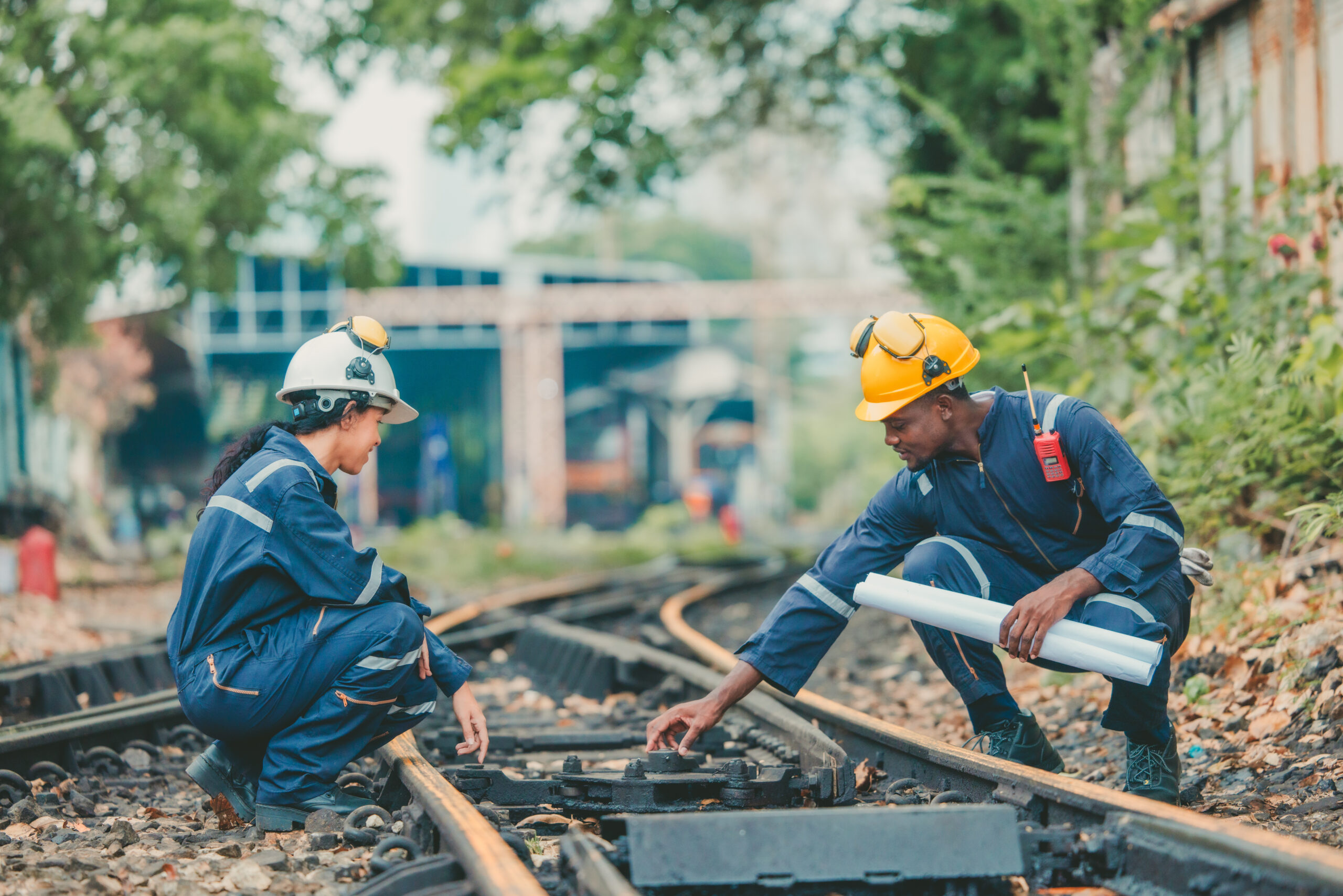
To support their operations, railway companies require robust infrastructure that includes tracks, stations, maintenance depots, and signaling systems. The following sections explore the critical aspects of infrastructure development.
Investment in Rail Networks
Investment in rail networks is crucial for expanding capacity, improving service, and integrating advanced technologies. Government and private sector funding can lead to the construction of new lines, modernization of existing tracks, and enhancement of terminals. Moreover, public-private partnerships have emerged as effective models to leverage resources and expertise, fostering the development of efficient rail services.
Technological Advancements in Rail Infrastructure
Technological innovation continues to redefine rail infrastructure. From automation and smart trains to advanced signaling systems, these advancements aim to streamline operations, enhance safety, and optimize energy use. For example, predictive maintenance powered by AI can preemptively identify issues, thereby preventing delays and reducing maintenance costs.
Sustainability Practices in Railway Companies
As global focus shifts towards sustainability, railway companies are increasingly adopting environmentally friendly practices. Utilizing renewable energy sources, implementing energy-efficient technologies, and optimizing freight logistics are steps companies are taking to minimize their ecological footprint. Implementing recycling programs and sustainable land use also shows a commitment to corporate responsibility.
Challenges Faced by Railway Companies
Despite their many advantages, railway companies face inherent challenges that affect their operations. Understanding these challenges is essential for developing effective strategies.
Regulatory and Compliance Issues
Railway operations are typically subject to extensive regulation at both national and international levels. Compliance with safety standards, environmental regulations, and labor laws can be complex and costly. Companies must navigate these regulations while ensuring operational efficiency and maintaining service quality, which can strain resources.
Competition with Other Modes of Transport
Railway companies often compete with other modes of transport such as trucking and air freight. While rail is advantageous for certain goods, the flexibility of trucks and the speed of air transport can limit the railway's competitive edge. Therefore, railway companies must continuously innovate their operations and customer service strategies to retain and grow their market share.
Economic Factors Affecting Railway Operations
The economic landscape can significantly influence railway operations. Fluctuating fuel prices, shifts in global trade policies, and changes in consumer demand can all impact operational costs and revenue. Companies must remain agile, adapting to these changes through strategic planning and financial management.
Case Studies of Successful Railway Companies
Examining the practices of successful railway companies provides valuable insights into effective strategies and operational excellence.
Innovative Strategies in Operations
Successful railway companies often employ innovative strategies to enhance operational efficiency. This can include the introduction of technology-driven solutions such as online booking systems, real-time tracking for freight, and utilization of big data analytics to inform decision-making. By streamlining operations, these companies improve customer satisfaction and increase profitability.
Impact of Rail Companies on Local Economies
Railway companies significantly impact local economies by facilitating trade, increasing employment opportunities, and boosting tourism. By connecting remote areas to major commercial hubs, rail systems enhance regional economic development and promote business expansion. The multiplier effect of a railway can lead to improved infrastructure and enhanced quality of life.
Lessons Learned from Industry Leaders
Strategically focused railway companies reveal key lessons in operational efficiency, customer service, and sustainability practices. Adoption of best practices such as lean management, continuous employee training, and stakeholder engagement can transform operations. Learning from industry frontrunners is invaluable for other companies seeking to improve their practices and performance.
The Future of Railway Companies
Looking ahead, the landscape of railway companies is poised for considerable evolution. The following sections explore future trends and necessary adaptations.
Emerging Trends in Rail Transport
Future trends in rail transport involve an increasing emphasis on digitalization and customer-centric services. Autonomous trains, high-speed rail expansions, and enhanced intermodal connectivity are on the horizon. Embracing these trends will be essential for railways to meet the demands of an evolving transportation landscape.
Adapting to Green Technologies
With the focus on sustainability, railway companies are transitioning to green technologies. Efforts include electrification of rail lines, use of hydrogen fuel cells, and implementation of energy-efficient train designs. These advancements not only mitigate environmental impacts but also align railway operations with global sustainability goals.
Preparing for Future Challenges in the Industry
As the railway industry continues to adapt, companies must prepare for future challenges including technological disruption, regulatory changes, and shifting market dynamics. Developing agile strategies, investing in talent, and fostering innovation will enhance resilience against these challenges, ensuring competitiveness in a rapidly changing environment.
Frequently Asked Questions
What are the benefits of using a railway company for transport?
Railway companies provide cost-effective, reliable, and environmentally-friendly transport solutions. They can handle large shipments efficiently and reduce congestion on roads.
How do railway companies contribute to economic growth?
Railway companies boost local economies by creating jobs, facilitating trade, and improving infrastructure, enhancing connectivity to regions and markets.
What challenges do railway companies face today?
Challenges include regulatory compliance, competition from other transport modes, and economic fluctuations that impact operations and profitability.
How can railway companies improve sustainability?
Companies can adopt sustainable practices through electrification, implementing green technologies, optimizing logistics, and reducing carbon emissions.
What is the future of railway transport?
The future includes trends like digital transformation, autonomous trains, green technologies, and expanded networks to meet modern transportation needs.