Understanding Mitsubishi Mini Split AC Systems
What is a Mitsubishi Mini Split AC?
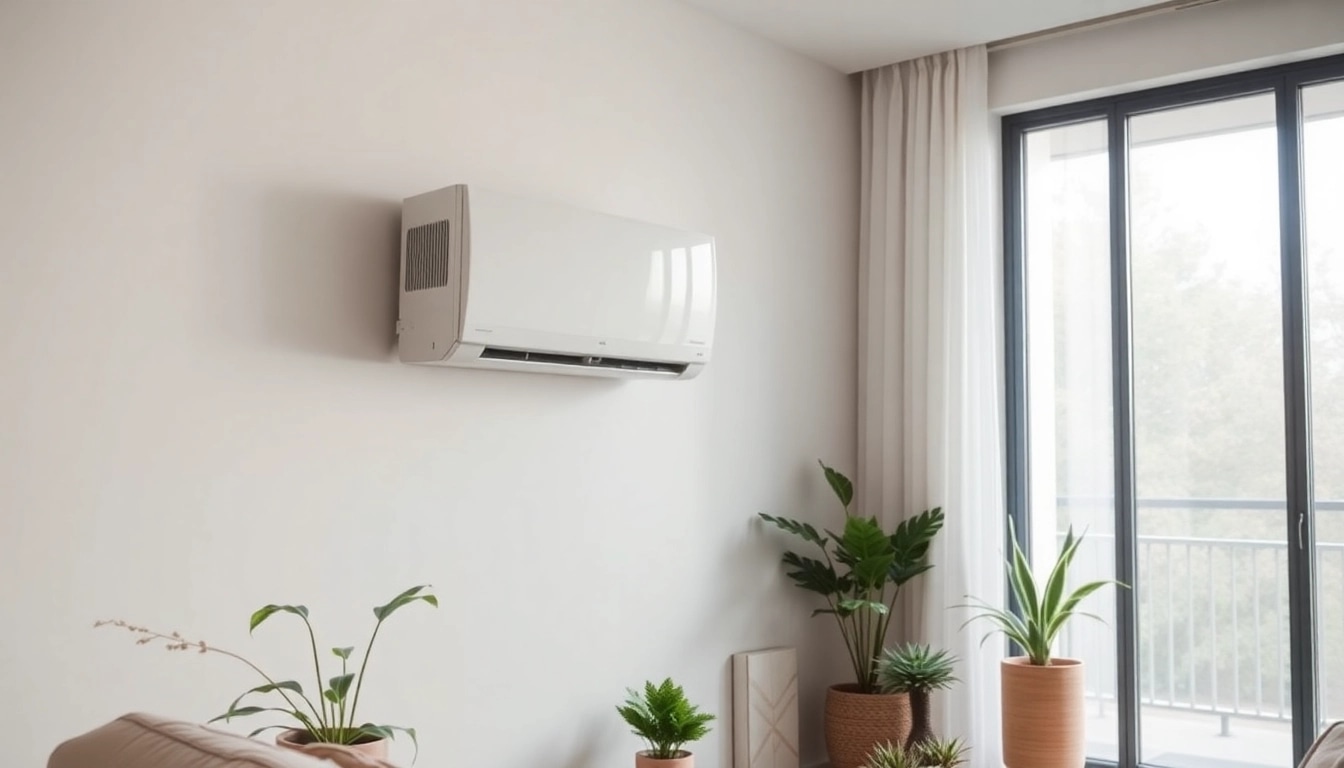
The mitsubishi mini split ac is a type of ductless air conditioning system designed to provide effective cooling or heating to individual zones or rooms. Unlike traditional central air conditioning systems that use ductwork, mini splits comprise an outdoor unit and one or more indoor units, allowing for flexible installation and personalized temperature control. These systems are increasingly popular for residential applications and remodeling projects due to their efficiency and ease of installation.
How Does a Ductless System Work?
A Mitsubishi mini split AC operates using a refrigeration cycle, involving the transfer of heat from one place to another. The outdoor unit absorbs outdoor heat and transfers it to the refrigerant within the system. As the refrigerant circulates to the indoor unit, it releases the absorbed heat, cooling the air inside. This process is reversed during winter, providing heating by moving heat from inside to the outdoors. This dual functionality contributes to their popularity as year-round climate control solutions.
Key Benefits of Mitsubishi Mini Split AC
- Energy Efficiency: Mini split systems often have higher SEER (Seasonal Energy Efficiency Ratio) ratings compared to traditional systems, leading to significant energy savings.
- Flexible Installation: Their ductless design allows for installation in various spaces, including homes without existing ductwork.
- Zone Control: Ability to set different temperatures for different rooms or zones enhances comfort and energy savings.
- Improved Air Quality: With fewer allergens circulating in the ductwork, these systems can lead to healthier indoor air quality.
Choosing the Right Mitsubishi Mini Split AC
BTU Requirements Explained
Choosing the right capacity is crucial to ensure effective performance. BTUs (British Thermal Units) measure the cooling and heating output of an air conditioning system. A unit that is too small will not adequately cool or heat a space, while one that is too large can lead to short cycling, reducing efficiency and comfort. Factors like room size, insulation, ceiling height, and sunlight exposure must be considered when determining the appropriate BTU rating. An HVAC professional can help in calculating the optimal BTU based on these variables.
Selecting Indoor Unit Types
Mitsubishi mini split AC systems offer various indoor unit styles, including wall-mounted, floor-mounted, and ceiling-recessed units. Wall-mounted units are the most common and are ideal for homes with limited floor space. Floor-mounted units are perfect for areas with high ceilings or where wall space is limited. Ceiling-recessed units, although more complex to install, provide a minimalist aesthetic and are ideal for commercial applications. Each style has its benefits, making it essential to evaluate your needs before making a selection.
Energy Efficiency and SEER Ratings
Mitsubishi mini splits generally boast impressive SEER ratings, often exceeding 20. Systems with higher SEER ratings are more energy-efficient, resulting in lower monthly utility bills. When investing in a mini split system, look for ENERGY STAR certified models, which guarantee compliance with strict energy efficiency guidelines set by the U.S. Environmental Protection Agency. Additionally, consider factors such as inverter technology, which adjusts the compressor speed as needed, enhancing efficiency and comfort by maintaining consistent temperatures.
Installation Process and Considerations
Preparing for Installation
Proper preparation is key to a successful installation of a Mitsubishi mini split AC. Homeowners should first determine the number of zones needed and choose appropriate unit types based on their layout and cooling requirements. Assessing the location for the outdoor unit is critical to minimize noise and maximize efficiency. Additionally, securing the necessary permits and ensuring that the electrical systems meet requirements can prevent installation delays.
Common Installation Mistakes
Even experienced installers can make mistakes during a mini split installation. Common errors include improper sizing of the units, incorrect refrigerant charge, and inadequate support for the indoor units. Ensuring a level installation is crucial for preventing leaks and maintenance issues. Additionally, failing to properly insulate refrigerant lines can lead to energy loss, compromising efficiency. It's advisable to hire a licensed technician who is well-versed in installing ductless systems to avoid these pitfalls.
Post-Installation Tips for Maintenance
Regular maintenance is essential for ensuring the longevity and efficiency of your Mitsubishi mini split AC. Homeowners should regularly clean or replace air filters to prevent airflow restrictions and maintain air quality. Periodically checking for refrigerant leaks, cleaning the outdoor unit, and scheduling annual professional maintenance are essential practices that help avoid major repairs and extend the unit’s lifespan.
Comparing Mitsubishi Mini Split AC with Traditional Systems
Cost Analysis: Ductless vs. Ducted Systems
The initial cost of a Mitsubishi mini split AC system may be higher than that of traditional ducted systems. However, the lack of ductwork eliminates high installation costs and improves energy efficiency, which can result in lower operational costs over time. While ducted systems require regular maintenance of ducts, mini split systems typically need less maintenance. Homeowners may end up saving money in the long run through improved energy efficiency and lower repair costs.
Performance Comparison
Mitsubishi mini splits often outperform traditional systems in several aspects. Their zoned cooling capacity allows for more tailored temperature regulation and supports optimal comfort without having to cool or heat every room in the home. They're quieter than many traditional systems because their noisy components are placed outside. Ultimately, the mini split systems provide superior flexibility and customization options over standard air conditioning systems.
Environmental Impact of Mini Splits
With rising concerns over energy consumption and climate change, the environmental impact of HVAC systems is essential to consider. Mitsubishi mini split AC systems are generally more environmentally friendly than their ducted counterparts due to their energy efficiency and lower emissions. The use of eco-friendly refrigerants further reduces their carbon footprint. By investing in energy-efficient systems, homeowners can contribute to a more sustainable environment while enjoying enhanced comfort.
Frequently Asked Questions
What is the lifespan of a Mitsubishi mini split AC?
The lifespan of a Mitsubishi mini split AC is typically between 15 to 20 years with proper maintenance. Regular servicing can significantly extend its life.
Are Mitsubishi mini split AC systems noisy?
Generally, Mitsubishi mini splits operate quietly, with indoor units producing noise levels comparable to a whisper. Outdoor units may generate some sound but are designed to be unobtrusive.
Can I use a Mitsubishi mini split AC for heating?
Yes, Mitsubishi mini split AC systems are dual-purpose; they can provide efficient heating in the winter through their heat pump functionality, making them ideal for year-round comfort.
How much does it cost to install a Mitsubishi mini split AC?
Installation costs for a Mitsubishi mini split AC can vary widely, typically ranging from $2,000 to $5,000, depending on the size of the system, number of zones, and complexity of the installation.
What maintenance does a Mitsubishi mini split AC require?
Maintenance involves regularly cleaning or replacing filters, checking refrigerant levels, inspecting and cleaning the outdoor unit, and scheduling annual inspections by a qualified professional to ensure optimal performance.