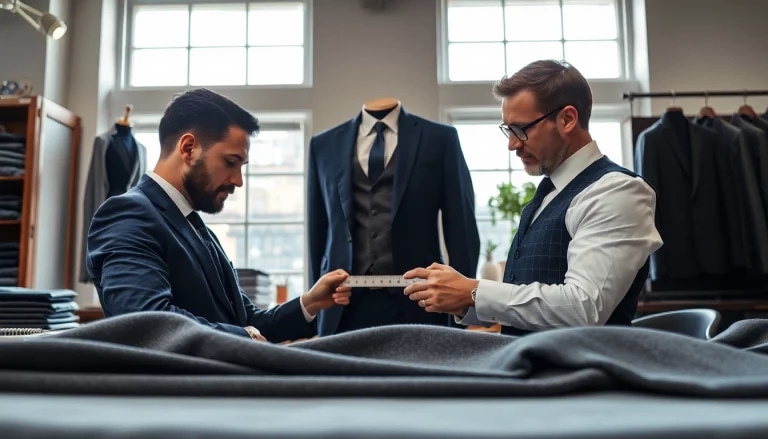
The Art of Tailor Made Bespoke Suits
Understanding Bespoke Tailoring
Bespoke tailoring is a time-honored tradition that represents the pinnacle of craftsmanship and personalization in suit making. Unlike ready-to-wear options, Tailor made bespoke suits are crafted from scratch, with each suit uniquely created to match the client's specifications, including size, fabric, and design preferences. This process involves the use of high-quality materials, along with skilled artisans who meticulously handcraft each piece, ensuring a perfect fit and exceptional style.
The bespoke process typically includes several fittings and consultations, during which the tailor gathers detailed measurements and adjusts patterns specifically for the client. This meticulous approach ensures that the final product reflects not only the client’s physical dimensions but also their personal style and taste.
The Craftsmanship Behind Your Suit
The craftsmanship involved in tailor made bespoke suits is unparalleled. Each suit is made by a skilled tailor who employs a comprehensive range of techniques passed down through generations. The construction process begins with a carefully curated selection of premium fabrics, chosen for their texture, durability, and aesthetic appeal.
Once the fabric is selected, the tailor creates a unique pattern based on the client’s measurements. This personalized pattern is then used to cut the fabric precisely. Throughout the sewing process, tailored techniques such as hand-stitching are often employed, contributing to both durability and style.
Additionally, bespoke suits often include customizable elements such as lapel styles, pocket shapes, and buttons. This level of personalization guarantees that every suit not only fits perfectly but also aligns with the wearer's personality and lifestyle.
Why Tailor Made Bespoke Suits Stand Out
Tailor made bespoke suits distinguish themselves from off-the-rack options through their uniqueness, quality, and fit. The primary advantage is that they are crafted specifically for the wearer, ensuring an unparalleled fit that flatters the body shape. This personalized tailoring process addresses unique body contours, which pre-manufactured suits often fail to accommodate.
Furthermore, bespoke suits provide a significant opportunity for self-expression. Clients can choose from a vast array of fabrics, colors, and styles, allowing them to curate a look that truly reflects their identity. This is especially important for professionals who wish to project confidence and authority through their wardrobe.
Lastly, the longevity of tailor made bespoke suits is noteworthy. Utilizing superior craftsmanship and high-quality materials means these suits can withstand the test of time, making them a worthwhile investment.
Choosing the Right Fabrics
Types of Fabrics for Tailor Made Bespoke Suits
The selection of fabric is crucial in the bespoke tailoring process. Various fabric types are available, each offering unique characteristics and benefits. Wool remains the most popular choice due to its versatility, breathability, and ability to retain shape. For warmer climates, lightweight wool or linen blends are excellent options, offering comfort without compromising style.
Other notable fabric choices include cotton, often used for more casual suits, and silk, which can provide a luxurious sheen perfect for evening wear. Additionally, synthetic blends are sometimes utilized for specific designs or patterns.
How Fabric Choice Affects Fit and Style
The fabric chosen for a suit significantly influences both its fit and overall appearance. Heavier fabrics, such as wool, tend to drape elegantly, enhancing the suit’s structure. Conversely, lighter materials, such as linen, offer a more relaxed fit ideal for casual occasions.
Moreover, the texture of a fabric can impact how formal or casual a suit appears. A smooth finish typically conveys a more sophisticated look, while textured fabrics can seem fresher and more contemporary. Understanding these characteristics allows clients to make informed choices in line with their style preferences and the suitability of the suit for various occasions.
Caring for Your Suit's Fabric
Caring for bespoke suit fabrics is essential to maintaining their appearance and longevity. Experts recommend dry cleaning for wool suits, but this should be limited to two to three times per season to prevent fabric wear. For routine cleaning, gentle brushing and spot cleaning can help maintain the garment without risking damage.
Additionally, proper storage is crucial. Suits should be hung on wooden or padded hangers to preserve their shape and should be stored in a dry, cool place away from direct sunlight. When traveling, using a suit bag can protect against creasing and damage.
The Fitting Process Explained
What to Expect During a Fitting
The fitting process for tailor made bespoke suits is a key aspect of bespoke tailoring that ensures the perfect fit. Initial fittings typically include a “rough” fitting, during which the tailor takes detailed measurements and notes any particular fit considerations, such as posture or specific body contours.
This might also involve trying on a basted suit made with temporary stitching, allowing for adjustments before the final construction. This stage is crucial for correcting any fit issues before the final suit is completed.
Importance of Multiple Fittings
Multiple fittings are integral to the bespoke process. Each fitting provides an opportunity to evaluate how the suit is draping and to make necessary adjustments. The tailored suit evolves with every adjustment, ensuring that by the final fitting, it conforms perfectly to the client's body. This iterative process also allows the client to feel involved in the creation of their suit, resulting in a more personalized experience.
How to Prepare for Your Fitting
Preparation is key for a successful fitting experience. Clients should wear appropriate undergarments and shoes similar to what they plan to wear with the suit. It's also helpful to bring along any specific items like a favorite tie or shirt that will be paired with the suit for better style coordination. Setting aside sufficient time for the fitting is essential, as adjustments may necessitate additional conversations and modifications.
Styling Your Tailor Made Bespoke Suit
Choosing the Right Cut and Style
Selecting the right cut and style for a tailor made bespoke suit can enhance personal flair and adherence to current trends. Classic cuts, such as the two-button or three-button models, offer timeless appeal. In contrast, modern cuts may be more fitted and streamlined, appealing to a younger audience.
Customization opportunities abound in terms of lapel styles, pocket designs, and vent options, allowing clients to create a distinctive appearance that resonates with their personal style while still adhering to traditional elements.
Accessorizing Your Suit Effectively
Accessorization is an essential component of styling a bespoke suit. Items such as ties, cufflinks, pocket squares, and watches can significantly elevate a suit's elegance. Selecting accessories that complement the suit in terms of color and pattern is important to achieve a cohesive look. For instance, a patterned tie can be used to contrast a solid suit, adding visual intrigue.
Ultimately, accessories should enhance the wearer’s personality while maintaining a level of sophistication appropriate to the occasion.
Seasonal Suit Choices and Trends
Understanding seasonal trends can help guide your choice of fabric and styling for tailor made bespoke suits. Spring and summer demands lighter fabrics such as linen or cotton, while fall and winter typically call for richer, warmer materials like wool and blends that provide superior insulation.
Contemporary trends also lean toward a more relaxed fit, with many opting for unstructured suits in casual settings. Familiarizing oneself with these seasonal changes allows clients to remain stylish and relevant within their professional and personal circles.
Maintenance and Care for Longevity
Cleaning and Storing Your Suit Properly
Making sure your tailor made bespoke suit is properly cleaned and stored is crucial for its longevity. Regular maintenance such as steaming and brushing helps to keep the fabric looking fresh. When it needs cleaning, opt for professionals who understand the requirements of high-quality bespoke suits.
For storage, choose a breathable suit bag and a spacious hanger to avoid creasing. Keeping your suit in a cool, dry environment away from direct sunlight, which can fade colors, is advisable.
Common Repairs and Alterations
Even bespoke suits can wear out with time, making it essential to be aware of common repairs and alterations. Issues like loose threads, small fabric tears, or slight alterations in fit over time require attention. Engaging a skilled tailor familiar with the suit’s original design will ensure that repairs maintain the garment's integrity.
When to Consult a Tailor for Care
Consulting a tailor should occur whenever there is uncertainty regarding cleaning methods or repairs. Experienced tailors can offer invaluable insights into the most effective care techniques to preserve fabric integrity and appearance. In addition, taking your suit in for a periodic “check-up” can help address fit issues before they become problematic.
Frequently Asked Questions
How much does a bespoke suit cost?
The price of a bespoke suit can vary widely based on fabric selection and customization. However, expect starting prices around a few thousand dollars for quality materials and craftsmanship.
What’s the difference between bespoke and off-the-rack suits?
Bespoke suits are handcrafted to fit you perfectly, with full customization on design, whereas off-the-rack suits are pre-made to standard sizes and limited in customization.
How many fittings are required for a bespoke suit?
Typically, two to three fittings are ideal to create the perfect fitting bespoke suit, allowing adjustments for comfort and style.
Can I customize my suit's design?
Absolutely! Bespoke suits allow extensive customization options including fabrics, cuts, colors, and even unique design elements to ensure the suit fits your personality and style.
How should I care for my bespoke suit?
Care for your bespoke suit by dry cleaning it sparingly, general brushing, and proper storage on padded hangers to maintain its shape and fabric longevity.