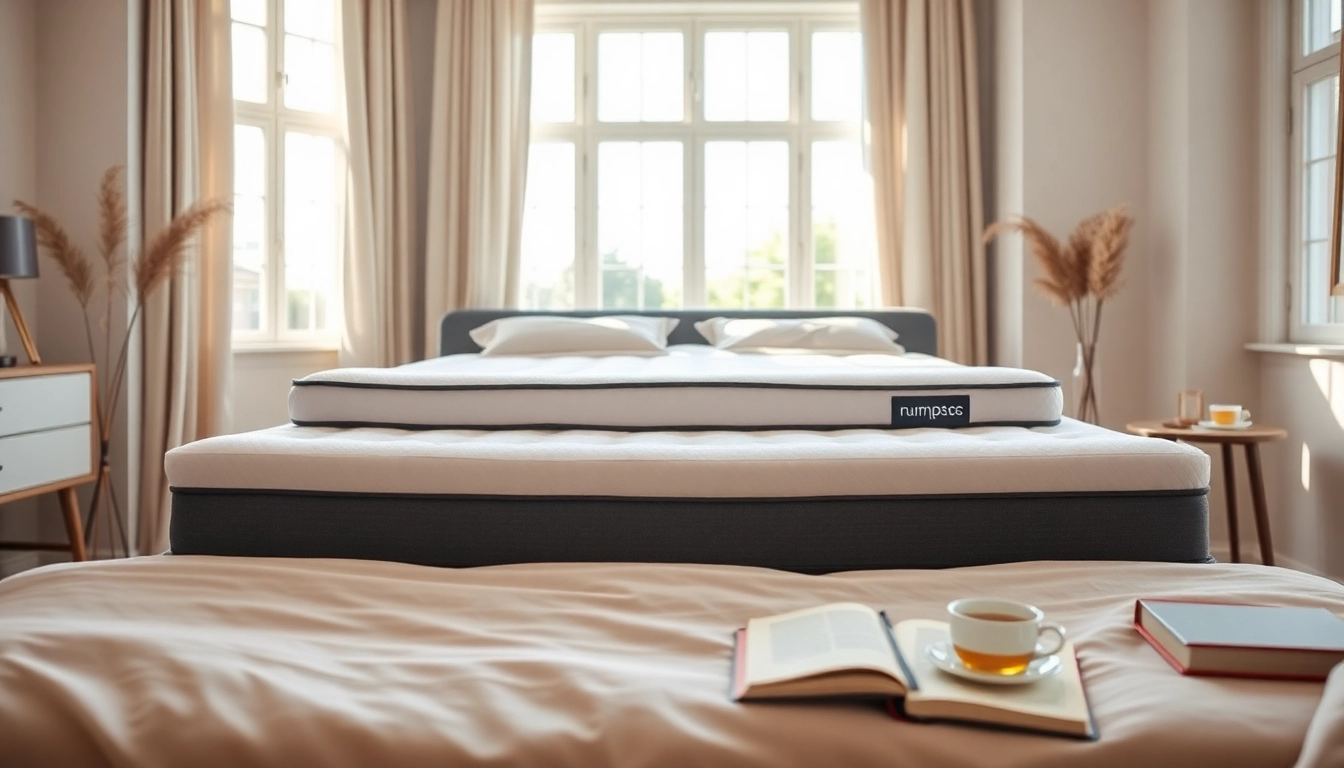
Understanding Memory Foam Mattresses
When it comes to selecting the right mattress, the choices can be overwhelming. However, if you are considering the 10 in memory foam mattress, understanding its unique benefits may guide you towards making an informed decision. This comprehensive guide will explore the nuances of memory foam, its specific advantages, who it is best suited for, and how to make the most of your investment.
What Makes Memory Foam Special?
Memory foam, also known as viscoelastic foam, is distinct due to its unique composition and response to heat and pressure. Unlike traditional mattresses, memory foam is designed to contour closely to the body. It softens when it is warm and returns to its original shape as it cools down. This property allows it to distribute weight evenly, reducing discomfort and providing support where it is needed most.
Benefits of Using a Memory Foam Mattress
The benefits of a memory foam mattress are significant and numerous. For starters, it helps alleviate pressure points that can cause discomfort, especially for side sleepers. The mattress also excels in motion isolation, meaning that if one person moves or gets out of bed, the other person's side remains undisturbed. Additionally, memory foam mattresses are resistant to allergens, as they repel dust mites and mold, making them an excellent choice for allergy sufferers.
Who Should Consider a 10 in Memory Foam Mattress?
A 10 in memory foam mattress is ideal for various types of sleepers. Those who prefer a medium to medium-firm feel will find the 10-inch thickness just right for comfort and support. Stomach sleepers, back sleepers, and side sleepers alike can benefit from the adaptable nature of memory foam. Moreover, individuals suffering from chronic pain or joint issues may find the pressure relief provided by this type of mattress particularly beneficial.
Key Features of a 10 in Memory Foam Mattress
Thickness and Density Explained
The thickness of a mattress can significantly influence its overall comfort and support. A standard 10 in memory foam mattress strikes a balance between comfort layer and support core, often featuring multiple layers of foam designed to enhance durability. The density of the foam plays a crucial role in how the mattress feels; higher density typically offers greater support and longevity, while lower density may feel softer but might wear out quicker.
Cooling Technologies in Memory Foam
One common concern with memory foam mattresses is heat retention. To combat this, many manufacturers have incorporated cooling technologies. Gel-infused memory foam, for example, helps dissipate heat, keeping the sleep surface cooler. Other innovations like open-cell structures and phase-change materials also play a role in ensuring that sleepers don't overheat during the night, contributing to an overall comfortable sleeping experience.
Support and Pressure Relief Mechanisms
A key feature of any memory foam mattress is its ability to relieve pressure points. The 10 in memory foam mattress is designed with various layers that work together to provide support. The top layer allows for contouring around the sleeper's body, while the supporting layers beneath ensure that the body's spine remains aligned. This dual action is essential for alleviating pain and ensuring a restful night's sleep.
Choosing the Right 10 in Memory Foam Mattress
Personal Preferences and Sleeping Positions
Your personal preferences and sleeping position should guide your choice of a memory foam mattress. Side sleepers may prefer a softer feel to cushion their shoulders and hips, while stomach sleepers might benefit from a firmer surface for better spinal alignment. It is crucial to assess your unique needs and how they align with the mattress's specifications.
How to Evaluate Firmness Options
Firmness levels can vary significantly between mattresses, even within the same category. Most retailers offer a firmness scale, usually ranging from 1 to 10. For a 10 in memory foam mattress, a medium to medium-firm option tends to be popular, as it caters to a broad range of sleepers. Testing the mattress in-store or taking advantage of a trial period can help determine what firmness level suits you best.
Setting a Budget for Quality
Investing in a quality mattress is crucial for your long-term health and well-being. A 10 in memory foam mattress can vary widely in price depending on features and brand reputation. Setting a budget that reflects the importance of quality over cost is vital. Remember that a good night’s sleep is an investment in yourself, so consider your options carefully, looking for warranties and return policies that ensure comfort and satisfaction.
Maintaining Your 10 in Memory Foam Mattress
Cleaning and Care Tips
Proper maintenance of your 10 in memory foam mattress extends its lifespan and keeps it clean. Regularly rotate the mattress every few months to prevent uneven wear. Spot clean any stains with a gentle detergent and avoid harsh chemicals. Additionally, using a mattress protector can shield against spills and allergens, providing an extra layer of protection.
When to Replace Your Mattress
Knowing when to replace your mattress is crucial for maintaining sleep quality. Signs that it may be time for a replacement include sagging, lumps, or significant discomfort when lying down. Generally, a well-cared-for memory foam mattress can last between 7 to 10 years, although this can depend on the frequency of use and how well it is maintained.
Improving Durability and Lifespan
To maximize the lifespan of your mattress, investing in a good foundation is essential. A slatted base or adjustable bed can offer support and reduce wear. Additionally, avoid jumping on the bed, as this can cause premature wear and tear. By treating your mattress with care, you can enjoy years of comfort and support.
FAQs About the 10 in Memory Foam Mattress
What is a memory foam mattress made of?
A memory foam mattress is made of viscoelastic foam, which is composed of polyurethane and other materials that allow it to conform to the body while providing support.
How long does a 10 in memory foam mattress last?
With proper care, a 10 in memory foam mattress can last between 7 to 10 years before needing replacement, depending on usage and care.
Can memory foam help with back pain?
Yes, memory foam can provide excellent support and pressure relief, which may help alleviate back pain by keeping the spine aligned during sleep.
Is a 10 in memory foam mattress good for hot sleepers?
Many 10 in memory foam mattresses come with cooling technologies, making them suitable for hot sleepers. Look for gel-infused or open-cell foam options for added comfort.
How do I know if I need a new mattress?
Signs you need a new mattress include persistent discomfort, visible sagging, or waking up tired despite a full night’s sleep.