

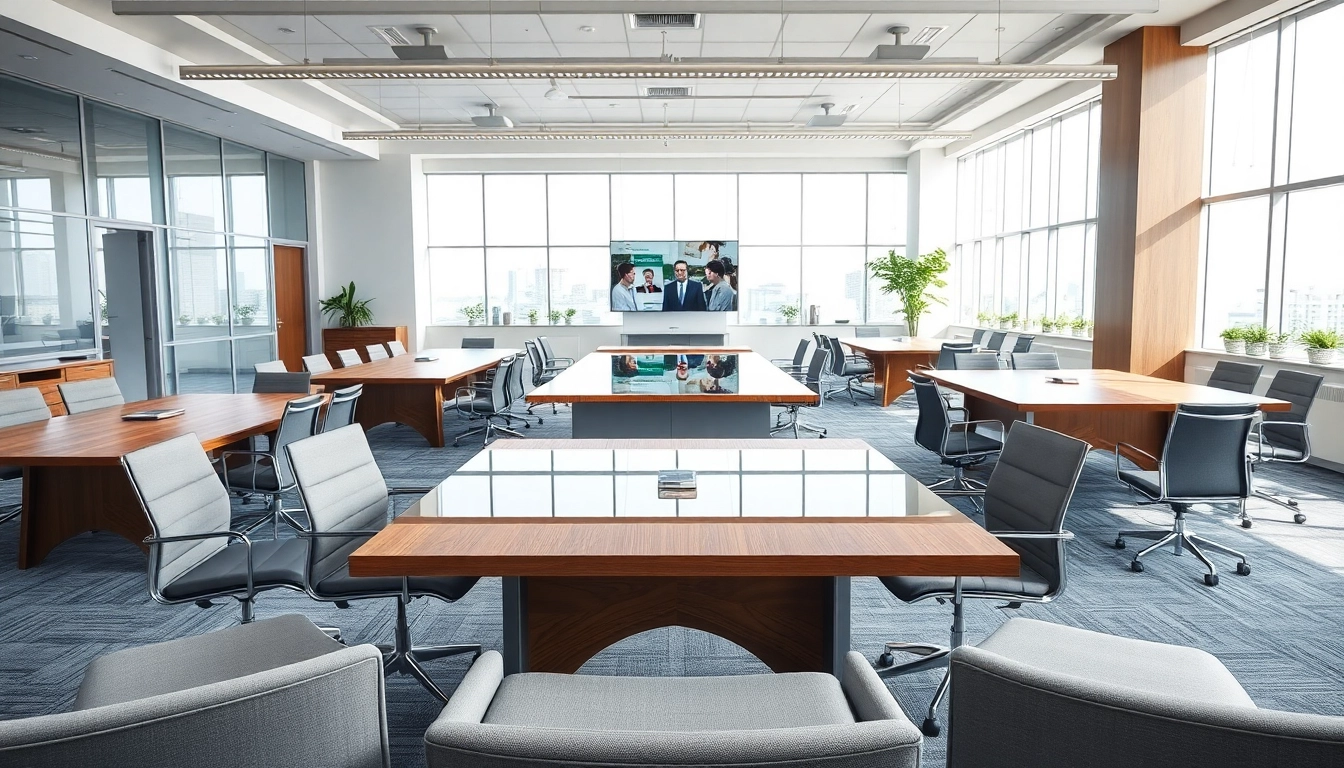
Understanding the Importance of Conference Tables
When it comes to designing an office, many factors contribute to the overall functionality and aesthetics of the workspace. Among these, Conference tables play a pivotal role. They serve as a central hub for meetings, discussions, and collaborative activities, influencing the overall productivity and creativity of working teams. In this guide, we will delve into the significance of conference tables and explore essential factors to consider when selecting the perfect one for your office environment.
Role of Conference Tables in Business Settings
Conference tables are more than just furniture; they are an essential component of business communication and collaboration. They provide a platform for brainstorming sessions, strategic planning, and decision-making discussions. The design and layout of a conference table can affect the dynamics of a meeting. A round table may encourage open dialogue and equality among participants, while a long rectangular table can be more formal, promoting a sense of hierarchy.
Key Features to Consider
When selecting a conference table, several key features should be prioritized:
- Size and Shape: Different meeting requirements necessitate different table sizes and shapes. Consider the layout of your meeting room and the number of attendees typically present.
- Material: The choice of material influences the table’s durability, aesthetics, and overall feel. This includes options such as wood, glass, and metal.
- Technology Integration: Modern conference tables can be equipped with technology for presentations and remote collaboration. Ensure adequate provisions for power outlets and connectivity.
- Ergonomics: Comfort is crucial for lengthy meetings. Invest in a table that allows for adequate space for each participant and complements the seating arrangements.
Different Styles of Conference Tables
From traditional to contemporary, conference tables come in various styles to match your office’s aesthetic and functional needs. Popular styles include:
- Traditional: Often made of solid wood, these tables convey a sense of prestige and professionalism.
- Modern: Featuring sleek lines and minimalist designs, modern tables are typically made with materials like glass or metal.
- Collaborative: These flexible and modular designs encourage group activities and can often be rearranged for different meeting formats.
Materials Used in Conference Tables
The materials used in conference tables not only determine their durability but also affect their overall appearance and maintenance requirements. Understanding the advantages and disadvantages of various materials is essential for making informed decisions.
Wooden Conference Tables: Pros and Cons
Wooden conference tables are a classic choice, valued for their beauty and durability. The pros of wooden tables include:
- Timeless elegance that adds warmth to any space.
- Exceptional durability with proper care.
- Options for customization in terms of finish and design.
However, they come with some cons:
- Higher cost compared to other materials.
- Susceptibility to scratches, moisture, and heat if not properly maintained.
Glass and Metal Conference Tables
Glass and metal conference tables have gained popularity in contemporary office designs for their modern aesthetic. Their benefits include:
- Glass: Creates an open and spacious feel, which can enhance light flow in a room. It’s easy to clean but requires more maintenance to avoid fingerprints and smudges.
- Metal: Offers unmatched durability and a sleek modern look. Metal tables are resistant to wear and can withstand more rigorous use.
Conversely, these materials can be less comfortable in terms of warmth and may require careful design consideration to ensure balance in the overall office decor.
Eco-Friendly Conference Table Options
As sustainability becomes increasingly important in today’s business practices, eco-friendly conference tables are attracting attention. Options include:
- Reclaimed Wood: Tables made from salvaged materials not only are sustainable but also add character to the office.
- Bamboo: A highly renewable resource, bamboo conference tables are strong, lightweight, and environmentally friendly.
- Recyclable Materials: Many modern conference tables use composite materials that are designed for easy recycling.
Opting for eco-friendly materials reflects a company’s commitment to sustainability, which can enhance brand loyalty among environmentally conscious clients and employees.
Choosing the Right Size for Conference Tables
Determining the right size for your conference table is vital to ensure functionality and aesthetics. An ill-fitting table can create a cramped or disjointed atmosphere during meetings.
Assessing Your Office Space
Before making a purchase, it’s crucial to assess the available space in your conference room. This involves measuring the dimensions of the room and considering the layout, entrance points, and existing furniture. A well-planned space should facilitate easy movement around the table while accommodating the intended capacity of participants comfortably.
Determining Capacity Needs
The number of people who will frequently use the conference table should drive your decision. A rule of thumb is to allocate roughly 24 inches of space per person. For instance:
- A table for six people should be at least 72 inches in length.
- A table accommodating 10 can range from 96 to 120 inches in length.
Keep in mind that larger tables may require a more spacious room layout to maintain a balance between function and flow.
Standard Dimensions for Conference Tables
While the size can vary significantly based on design and requirements, standard conference tables typically come in the following dimensions:
- Round Tables: Common diameters range from 48 to 72 inches.
- Rectangular Tables: Lengths can vary from 60 inches to over 120 inches, with widths typically around 30 to 48 inches.
- Square Tables: Usually between 48 to 72 inches on each side.
Understanding these dimensions will assist you in choosing the best fit for your available space and participant requirements.
Customization Options for Conference Tables
Customizing conference tables allows businesses to create a tailored workspace that aligns with their branding and functional needs, enhancing their meeting experiences.
Finishes and Colors
The finish and color of a conference table can significantly affect the room’s atmosphere. Options range from natural woods to vibrant colors that reflect your brand identity. Popular finishes include:
- Rich Wood Stains: Such as cherry, walnut, or oak, which add warmth to the room.
- High-Gloss Lacquers: Which provide a sleek, modern appearance.
- Bold Colors: Vibrant hues that can energize meetings and signify innovation.
Moreover, selecting a finish that matches or complements your office decor can create a cohesive working environment.
Integrating Technology
In today’s digital age, integrating technology into conference tables is essential for enhancing communication and productivity. Features to consider include:
- Built-in Power Outlets: Providing participants with easy access to charging for devices.
- AV Integration: Ensuring seamless connections to presentation equipment, such as projectors and screens.
- Wireless Technology: Options for wireless charging pads or screen mirroring technology.
Incorporating these technologies ensures that your meetings are efficient and effective.
Design Trends in Conference Tables
Staying aware of current design trends can help you choose a conference table that not only meets functional needs but also keeps your aesthetic current. Emerging trends include:
- Modular Designs: Tables that can be rearranged to adapt to different meeting formats.
- Natural Materials: Use of organic materials that connect the indoor workspace with the outdoor environment.
- Height-Adjustable Options: Tables that can be raised or lowered to suit different participant preferences, promoting comfort and productivity.
A table that aligns with current trends will not only support functional needs but also enhance the overall image of your office environment.
Maintaining and Caring for Conference Tables
Once you have selected the perfect conference table, ensuring its longevity requires consistent maintenance and care. A well-cared-for table enhances the professional atmosphere of your workspace.
Regular Maintenance Tips
Keeping your conference table in top condition involves simple, regular upkeep procedures:
- Dusting: Regular dusting with a soft cloth to prevent buildup and scratches.
- Cleansing: Using appropriate cleaners for the table material to avoid damage and preserve its finish.
- Heat/Water Protection: Employing coasters or mats for hot drinks and spills to protect the tabletop surface.
Establishing a routine maintenance schedule can further extend the lifespan of your conference table.
Handling Repairs and Restorations
Even with proper care, conference tables can incur damage over time. Addressing repairs promptly is crucial:
- For Scratches: Consider using wood repair markers for minor scratches or consulting a professional for significant damage.
- Squeaky Legs: Tighten screws and bolts or apply lubricant to maintain stability and functionality.
- Surface Refinishing: If the finish has dulled or chipped, professional refinishing can restore its original beauty.
Protecting Conference Tables from Wear and Tear
Designating a specific area for conference table use can help minimize wear. Additionally, using table covers when the table is not in use provides added protection. Considering the table’s location away from direct sunlight can also prevent fading over time.
Ultimately, selecting the right conference table goes beyond aesthetics; it can enhance collaboration, productivity, and workplace comfort. By understanding the importance of conference tables, the materials used, size considerations, customization options, and maintenance requirements, you lay a strong foundation for your office’s meeting space. With careful consideration and planning, your conference table will serve as a valuable asset in driving your team’s success.