

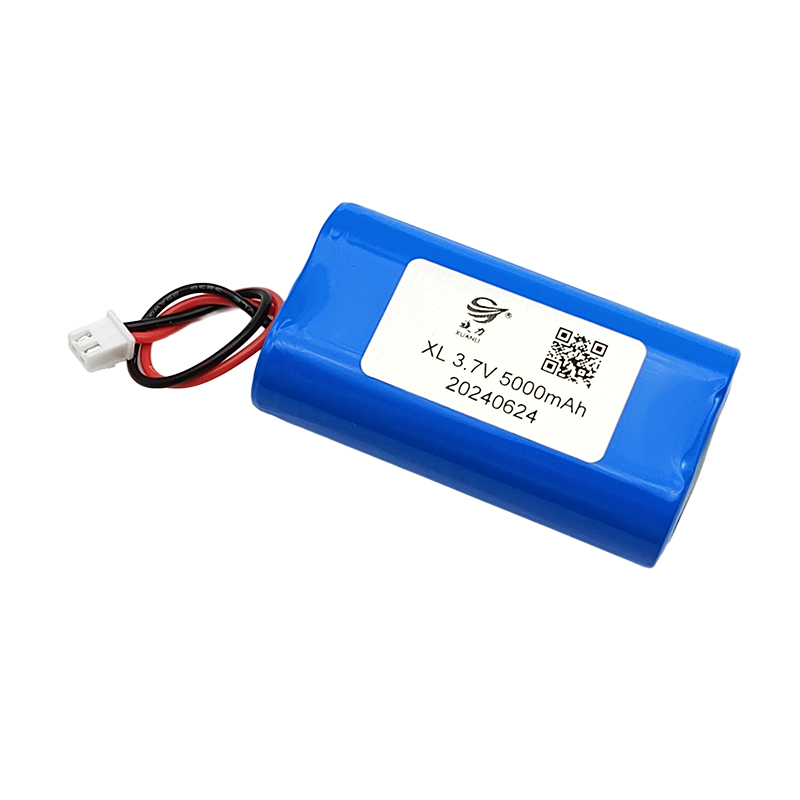
Lithium batteries have become a crucial component in modern electronics, electric vehicles, and renewable energy systems. For businesses dealing with wholesale lithium batteries, proper storage and maintenance are essential to ensure safety, longevity, and optimal performance. This article will provide detailed guidance on how to effectively store and maintain wholesale lithium batteries to maximize their efficiency and lifespan.
Understanding Wholesale Lithium Batteries
Wholesale lithium batteries are typically purchased in large quantities for resale, industrial use, or large-scale projects. Unlike standard consumer batteries, these batteries require specialized care due to their high energy density and chemical composition. Proper handling and storage of wholesale lithium batteries not only reduce the risk of accidents but also maintain the battery’s capacity over time.
Ideal Storage Conditions
Proper storage is the foundation of maintaining wholesale lithium batteries. These batteries should be kept in a cool, dry environment away from direct sunlight. The ideal temperature range for storing wholesale lithium batteries is between 20°C and 25°C (68°F to 77°F). Temperatures above or below this range can negatively impact the chemical stability and performance of the batteries.
Humidity control is equally important. High humidity can cause corrosion of battery terminals and connectors, while extremely low humidity can create static electricity, posing a fire risk. A relative humidity level of 40-60% is recommended for storing wholesale lithium batteries.
Proper Battery Handling
Handling wholesale lithium batteries carefully is crucial to prevent damage or accidents. Avoid dropping, puncturing, or exposing the batteries to physical stress. Always use protective gloves and safety glasses when inspecting or moving large quantities of wholesale lithium batteries.
It’s also important to store batteries in their original packaging whenever possible. Original packaging provides cushioning and prevents short circuits caused by contact with metal objects. When arranging wholesale lithium batteries in storage, avoid stacking them too high, as excessive weight can deform the cells and reduce their efficiency.
Charging and Discharging Best Practices
For businesses managing wholesale lithium batteries, understanding proper charging and discharging protocols is critical. Lithium batteries should not be stored fully charged or fully depleted for extended periods. Ideally, store batteries at around 40-60% charge. This level minimizes chemical stress and prolongs the life of wholesale lithium batteries.
Using high-quality chargers designed specifically for lithium batteries is essential. Avoid cheap or incompatible chargers, as they can cause overcharging, overheating, and potential safety hazards. Regularly monitor voltage and temperature levels during charging to ensure that all wholesale lithium batteries remain within safe operating limits.
Maintenance and Inspection
Routine maintenance and inspection are key to extending the lifespan of wholesale lithium batteries. Conduct visual inspections to check for swelling, leakage, or corrosion. Any damaged batteries should be isolated and properly disposed of according to safety regulations.
Cleaning battery terminals with a soft, dry cloth or a cloth slightly dampened with a mixture of baking soda and water can prevent corrosion. Regularly testing the voltage and capacity of wholesale lithium batteries helps detect early signs of deterioration. Maintaining a log for each battery batch can streamline monitoring and ensure timely action for any underperforming units.
Safety Precautions
Safety should always be a top priority when storing and maintaining wholesale lithium batteries. Avoid storing batteries near flammable materials or heat sources. Keep a fire extinguisher rated for electrical fires nearby, and ensure that all personnel handling wholesale lithium batteries are trained in proper safety protocols.
In addition, avoid mixing old and new batteries, as this can lead to uneven discharge and potential overheating. Implementing clear labeling for each batch of wholesale lithium batteries can reduce mistakes and improve operational safety.
Common Storage Mistakes to Avoid
Several common mistakes can significantly reduce the lifespan of wholesale lithium batteries. Overcharging, deep discharging, exposure to extreme temperatures, and stacking batteries improperly are frequent errors. Avoid these pitfalls by adhering to manufacturer guidelines and maintaining a controlled storage environment for all wholesale lithium batteries.
Conclusion
Proper storage and maintenance of wholesale lithium batteries are essential for maximizing safety, performance, and longevity. By controlling temperature and humidity, following proper charging protocols, conducting regular inspections, and implementing safety measures, businesses can protect their investment in wholesale lithium batteries. Maintaining these best practices ensures that your batteries remain efficient, reliable, and ready for use whenever needed, ultimately reducing costs and enhancing operational efficiency.


