Understanding Metal Siding: An Overview
When it comes to exterior finishing for homes and commercial buildings, one material has steadily gained recognition for its durability, aesthetics, and functionality: metal siding. This article dives deep into understanding metal siding, encompassing what it is, its various types, benefits, installation processes, maintenance tips, and much more to equip homeowners and builders alike with invaluable insights.
What is Metal Siding?
Metal siding is an exterior building material made primarily from metal such as aluminum, steel, and copper. This material acts as a protective barrier against various environmental elements while providing a sleek, modern aesthetic. Metal siding can effectively enhance the beauty of a home or commercial property, while also offering long-lasting durability.
Types of Metal Siding
Understanding the various types of metal siding is crucial in choosing the right one for your needs. Here are some popular options:
- Steel Siding: Renowned for its strength and toughness, steel siding is often galvanized to prevent rust and can come in various finishes and colors.
- Aluminum Siding: Lightweight and resistant to rust, aluminum siding is also easier to install than heavier materials, making it a popular choice for homeowners.
- Copper Siding: While more expensive, copper siding offers a unique look that can develop a beautiful patina over time, adding charm and character.
- Corrugated Metal Siding: With its distinctive wavy profile, corrugated metal siding can be employed for both modern and traditional designs, adding unique visual appeal.
Benefits of Metal Siding
Metal siding presents numerous advantages that make it an attractive option for building exteriors. Some of the key benefits include:
- Durability: Metal siding is highly resistant to rot, termites, and extreme weather conditions, often lasting longer than other siding materials.
- Low Maintenance: Unlike traditional wood siding, metal siding requires minimal upkeep, generally needing only occasional cleaning to maintain its appearance.
- Energy Efficiency: With the right insulation, metal siding can help improve a home’s energy efficiency, keeping it cooler in summer and warmer in winter.
- Design Flexibility: Available in various colors and textures, metal siding can mimic other materials while still offering the benefits of metal.
Cost Analysis of Metal Siding
When considering metal siding for a project, it’s essential to perform a thorough cost analysis. This section explores the initial investment considerations, long-term savings, and how metal siding compares to other materials.
Initial Investment Considerations
The cost of metal siding can vary depending on factors such as the type of metal, style, and installation complexity. The average cost typically ranges from $3 to $10 per square foot. While this might seem higher than alternatives like vinyl or wood siding, it’s crucial to account for the lifespan and durability of the material.
Long-term Savings with Metal Siding
While the initial costs associated with metal siding can be higher, it offers considerable long-term savings. Due to its durability and low maintenance requirements, property owners can save significantly on repair and replacement costs. Additionally, metal’s energy-efficient properties can lead to lower heating and cooling expenses over time.
Comparative Costs Against Other Materials
When compared to traditional materials such as wood, vinyl, or fiber cement, metal siding often proves to be a wiser investment. While wood siding requires regular maintenance, including painting and sealing, and tends to be susceptible to pests and rot, metal siding stands out for its resilience and efficiency, leading many to opt for it despite the upfront costs.
Installation Process for Metal Siding
The installation of metal siding can appear daunting; however, following a structured approach can ensure a successful outcome. This section explores the preparation needed, a step-by-step installation guide, and post-installation care tips.
Preparation and Planning
Before any installation begins, thorough planning is essential. Begin by inspecting the building’s exterior, ensuring it is clean and free of debris. Plan the layout of the siding, accounting for windows, doors, and architectural details. Note that proper tools and measurements are crucial for obtaining a professional finish.
Step-by-Step Installation Guide
- Install the Starter Strip: Begin by affixing the starter strip at the bottom of the wall, ensuring it is level.
- Cut the Panels: Measure and cut the metal siding panels to fit accordingly, ensuring to follow the manufacturer’s guidelines.
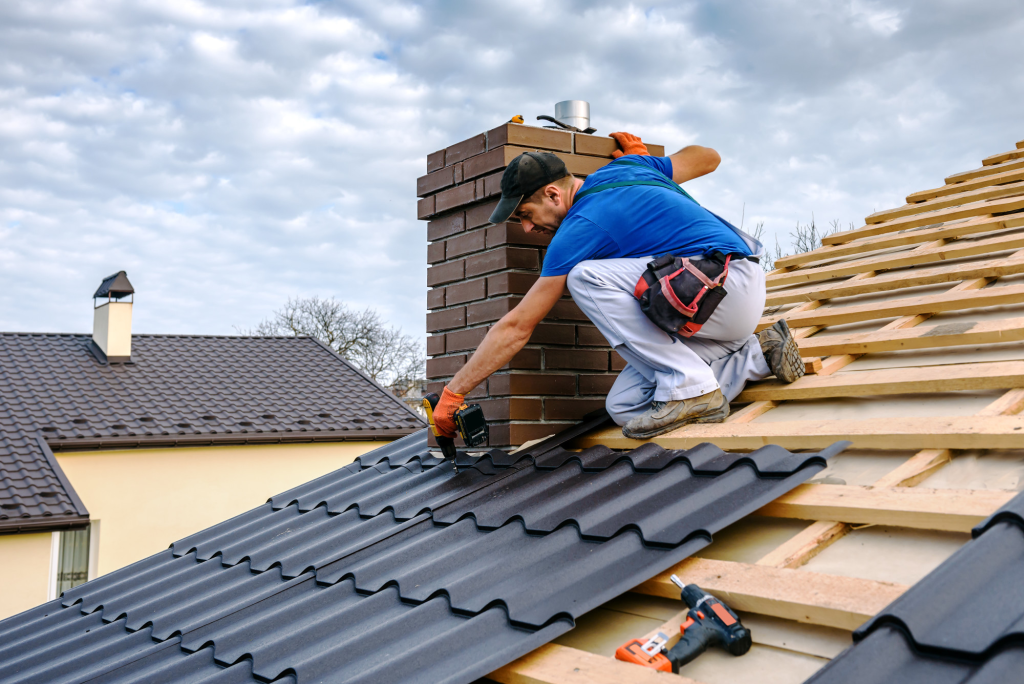
- Attach the Panels: Starting at the bottom, secure the panels to the wall using screws or clips, ensuring each panel overlaps the one below it for effective water resistance.
- Finish the Top Edge: Use trim or cap strips to seal the top edges and around openings for a polished look.
Post-Installation Care Tips
Once the installation is complete, consider applying a protective sealant to enhance durability. Regularly inspect for any potential damage or wear, and clean with mild soap and water at least once a year to maintain its appearance.
Maintaining Metal Siding
While metal siding is low-maintenance, following specific best practices can extend its life even further. This section discusses cleaning strategies, dealing with repairs or replacements, and recognizing signs of wear.
Cleaning and Maintenance Best Practices
To keep metal siding in top condition, clean it at least twice a year. Use a garden hose to rinse off dirt, then scrub with a mild detergent and water solution. Avoid abrasive cleaners or brushes, as these can scratch the surface.
Handling Repairs and Replacements
Should you find dents, scratches, or rust, address them promptly. For small scratches, a touch-up paint can conceal damage. For more significant issues, consider replacing the affected panel to maintain the overall aesthetic and protective qualities of your siding.
Assessing Signs of Wear
Regular inspections can help catch potential issues before they worsen. Look for loose panels, rust spots, or discoloration, which may signify underlying problems. Early detection can make repairs easier and more cost-effective.
FAQs About Metal Siding
What is metal siding’s lifespan?
Metal siding can last 40 years or more with proper maintenance, making it a long-term investment for homeowners.
Can metal siding be painted?
Yes, metal siding can be painted if you desire a new color; however, it’s best to use high-quality paint designed for metal surfaces.
Does metal siding provide insulation?
While metal siding itself does not insulate, when paired with proper insulation materials, it can enhance a building’s energy efficiency.
How does metal siding resist weather damage?
Metal siding is designed to withstand extreme weather conditions, including wind, rain, snow, and UV radiation, ensuring its durability.
Is metal siding eco-friendly?
Metal siding is often made from recycled materials and is fully recyclable itself, making it an eco-friendly option. Plus, it contributes to energy-efficient buildings.