Understanding the Essentials of Outdoor Living Spaces
Creating a vibrant outdoor living space can significantly enhance your home’s appeal and utility. Not only does it allow for relaxation and recreation, but it also expands your living area beyond the confines of indoor walls. Whether you have a sprawling garden or a petite balcony, transforming your outdoor space can lead to countless joyful experiences. Consider exploring resources that focus specifically on outdoor living solutions like https://merithome.co.uk. This guide will delve into the key elements necessary to craft the perfect outdoor environment, ensuring you can make the most out of your spaces.
What Makes a Great Outdoor Area?
A great outdoor area serves as an extension of your home and meets several criteria:
- Functionality: The space should cater to your lifestyle, accommodating gatherings, relaxation, and activities.
- Aesthetics: A visually appealing outdoor space enhances the charm of your property. Consider harmonizing colors, textures, and structures.
- Comfort: Comfort is vital; think about seating, temperature control, and shade options for a pleasant experience.
- Versatility: The space should allow for seasonal changes, ensuring year-round usability.
Key Elements to Consider
When designing your outdoor area, several crucial elements need deliberation:
- Design Layout: Plan your layout carefully, taking into account pathways, furniture placements, and designated areas for different activities.
- Climate Considerations: Factor in your region’s climate, which influences material choice and plant selection.
- Privacy: Incorporate natural barriers like trees or intentional landscaping to offer some seclusion.
- Connection to Nature: Ensure your design allows for engagement with nature, whether through gardens or views.
Creating Comfort and Style
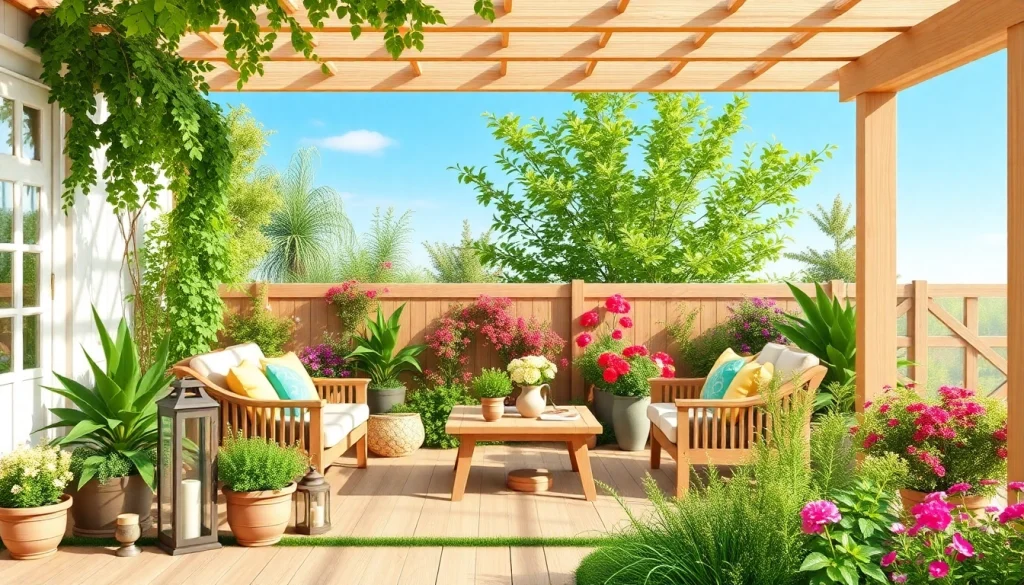
Combining comfort with style is essential in outdoor spaces. Utilize cushions, throw blankets, and other textiles that can withstand outdoor conditions to enhance coziness. A harmonious color palette that complements your home and natural surroundings will elevate the style quotient. Additionally, consider creating defined areas, such as a dining nook, lounge space, or fire pit area for added functionality and aesthetic allure.
Choosing the Right Furniture for Your Space
Furniture selection plays a pivotal role in the usability and style of your outdoor living area. Ensure that your choices reflect both the purpose of the space and your aesthetic preferences.
Types of Outdoor Furniture
Outdoor furniture comes in various styles and types, including:
- Loungers: Perfect for sunbathing or relaxing with a book.
- Dining Sets: Ideal for al fresco meals and gatherings. Look for weather-resistant materials.
- Sectionals: Great for social spaces, allowing for flexible seating arrangements.
- Benches: Versatile seats that can also define spaces and enhance garden aesthetics.
Materials That Last
Choosing durable materials is crucial for outdoor furniture longevity. Here are some options:
- Teak: Naturally resistant to moisture, making it an excellent choice for outdoor settings.
- Aluminum: Lightweight and rust-resistant, suitable for various outdoor furniture styles.
- Wicker: Synthetic wicker has improved durability and can withstand the elements effectively.
- Plastic and Resin: Known for being maintenance-free and affordable while offering stylish designs.
Arranging for Optimal Usage
The arrangement of your outdoor furniture should enhance the flow of movement and sightlines in the space. Group seating to encourage conversation, place tables within easy reach, and ensure pathways are clear. Also, consider creating zones for different activities, which can enhance the overall function of your outdoor area.
Incorporating Plants and Greenery
Plants breathe life into any outdoor space, enhancing beauty, providing comfort, and even creating privacy. Selecting the right plants and arranging them thoughtfully can significantly improve the effectiveness of your outdoor living area.
Selecting Suitable Plants for Your Climate
Before adding greenery, it’s essential to understand your climate zone and the types of plants that thrive within it. Research native plants, as they are typically more resilient and require less maintenance. Here’s a quick guideline for popular types:
- Succulents: Ideal for warmer climates, they require minimal watering.
- Perennials: Great for showcasing vibrant colors season after season with low upkeep.
- Herbs: They provide both aesthetic and culinary advantages, flourishing in most climates.
Designing a Garden Layout
Strategic garden layout promotes both functionality and beauty. Consider layering plants to create depth, using taller plants at the back and shorter ones at the front. Vary plant sizes to add interest, and incorporate walking paths that allow easy access for care and enjoyment of the greenery. Additionally, including vertical elements such as trellises or wall planters can maximize space effectiveness.
Maintaining Your Green Space
Regular maintenance is vital for a thriving garden. Here are some tips to keep your plants healthy:
- Watering: Ensure a consistent watering schedule but adjust based on seasonal needs.
- Weeding: Regularly inspect and remove weeds to prevent them from competing with your plants.
- Trimming: Maintain your plants by trimming them when needed to encourage growth.
Lighting Solutions to Enhance Ambiance
Lighting can transform your outdoor space from a daytime retreat to a cozy evening venue. Thoughtful illumination not only enhances visibility but also creates an inviting atmosphere.
Understanding Different Lighting Types
Consider using a combination of lighting types for a well-rounded effect:
- Task Lighting: Focused illumination for activities such as cooking or dining is best achieved with pendant lights or adjustable fixtures.
- Ambient Lighting: Soft, diffuse light creates a warm atmosphere. Use fixtures like string lights or lanterns.
- Accent Lighting: Highlight specific features in your space, such as trees or artwork, with spotlights or hand-held lanterns.
Placement Strategies for Maximum Effect
Where you position your lighting plays a crucial role in effectiveness. Here are strategic placement tips:
- Highlight pathways with ground lights or lanterns to ensure safety.
- Illumination directed at seating areas can create cozy spots for conversation.
- Utilize layers of lighting at different heights to create depth and interest.
Energy-Efficient Options
For eco-conscious homeowners, energy-efficient lighting options can minimize energy use while maintaining ambience. Consider LED bulbs or solar-powered lights for sustainability.
Seasonal Considerations and Maintenance
Outdoor areas require attention throughout the year. Each season presents unique challenges and opportunities for improvement.
Preparing for Seasonal Changes
As seasons transition, your outdoor space might require adjustments. In fall, consider preparing for winter by protecting sensitive plants and storing furniture. During spring, it’s a perfect time to refresh the space, repotting plants, or replacing decor.
Year-Round Care Tips
Regular care ensures your outdoor area retains its charm. Maintain a schedule for plant care, cleaning hard surfaces, and checking furniture for any needed repairs. Rotate seasonal decor to keep the space feeling fresh and inviting.
Seasonal Accessories to Consider
Your outdoor area can greatly benefit from accessories tailored to each season:
- Spring: Bright, colorful cushions and flower pots can refresh your setup.
- Summer: Add shade structures like canopies or umbrellas to provide relief from the sun.
- Fall: Incorporate cozy blankets and warm lighting to create a comfortable atmosphere.
- Winter: Reflective decor or garlands make your space festive and inviting.