

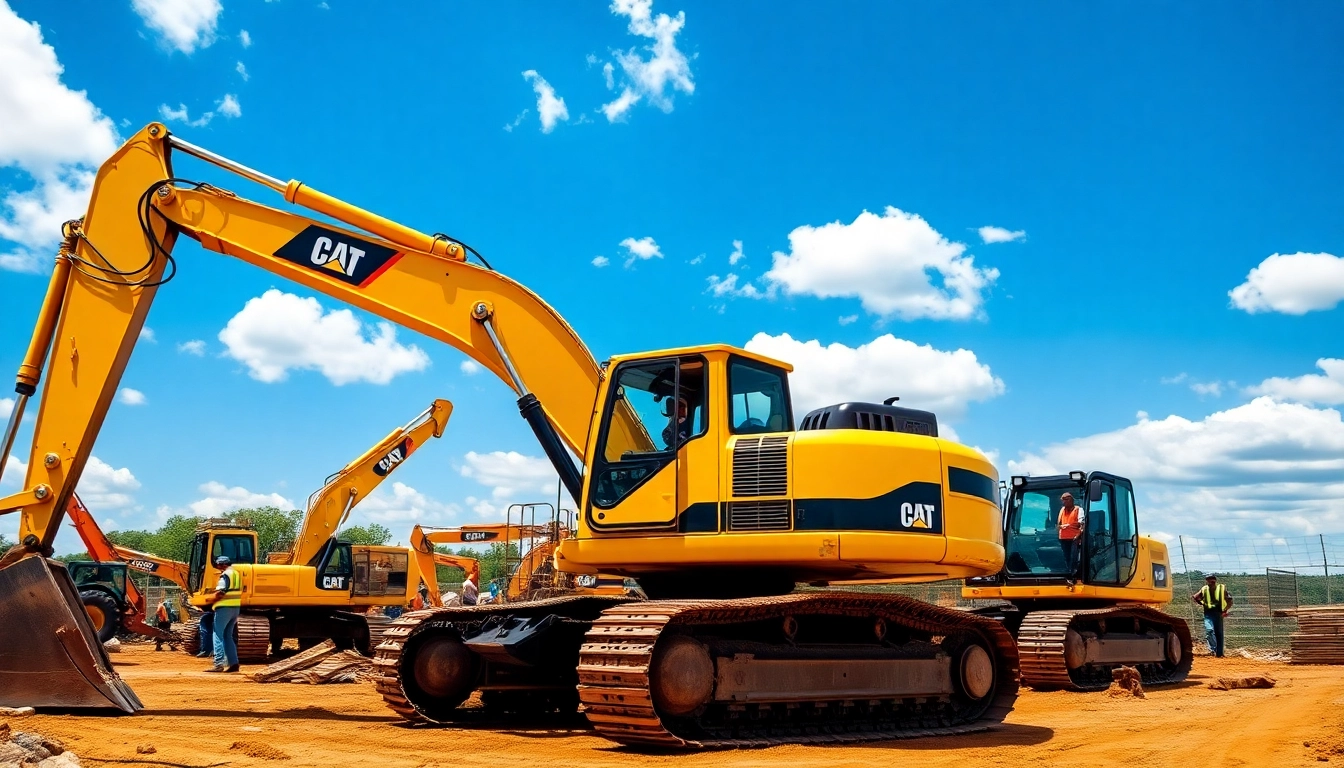
Understanding the Importance of Renting Excavators
When it comes to construction, landscaping, or various large-scale projects, the need for heavy machinery like excavators cannot be overstated. Many companies find it more viable to Rent excavators instead of purchasing them outright. This approach not only minimizes financial strain but also provides flexibility and access to the latest technology. Let’s explore the significance of renting excavators in detail.
Benefits of Renting Excavators
Renting excavators offers multiple advantages that make it a preferred choice for many contractors and businesses:
- Cost-effectiveness: Renting avoids the upfront cost of purchasing machinery, allowing businesses to allocate funds to other critical areas.
- Access to Latest Equipment: Rental companies often update their fleets with the latest machinery, giving renters access to state-of-the-art technology and features that enhance productivity.
- Flexibility: Renting allows companies to scale up or down based on project demands, providing operational flexibility during peak times or when facing unexpected challenges.
- Reduced Maintenance Responsibilities: Rental agreements typically cover maintenance, which alleviates the burden of upkeep, repair costs, and downtime on rented machines.
- Trial and Evaluation: Renting gives businesses the opportunity to evaluate the performance of excavators before deciding to purchase similar models in the future.
Challenges Compared to Buying
Despite the numerous benefits of renting, it does come with its own set of challenges:
- Availability Constraints: At times, the specific model or type of excavator required might not be available in the rental market, which can delay project timelines.
- Higher Long-Term Costs: While renting is cost-effective for short-term projects, the total expense can accumulate over time for longer projects, potentially making purchasing more economical.
- Limited Customization: Renters might face limitations regarding the customization options of rented equipment to meet specific project needs.
- Responsibility for Damage: If the equipment is damaged during the rental period, the renting party may be held liable for repair costs, which can add financial stress.
Who Should Consider Renting
Renting is ideal for various groups:
- Small Construction Firms: Companies that lack the capital for large machinery purchases can benefit from renting for occasional projects.
- Project-Based Businesses: Organizations engaged in short-term projects, such as roadworks or utility installations, can maximize efficiency by renting specific excavators as needed.
- Environmental Contractors: Firms that handle rehabilitation projects or emergency services may require specialized excavators and benefit from rentals to access the right equipment quickly.
Types of Excavators Available for Rent
Understanding the different types of excavators available for rent is crucial for selecting the right equipment for your project. Here are the primary categories:
Mini Excavators and Their Uses
Mini excavators are versatile and efficient machines designed for small to medium-sized projects. They are particularly useful in constrained spaces, making them suitable for:
- Residential landscaping projects, such as grading and trenching.
- Utility installation and repair where access is limited.
- Demolition of smaller structures without causing disruption to nearby buildings.
Standard Excavators for Larger Projects
Standard excavators are ideal for larger scale operations and boast greater power and stability. They are commonly used in:
- Large earthmoving tasks, like excavation for foundations or large pipelines.
- Mass grading and site preparation, necessary for commercial development.
- Road construction, where extensive digging, lifting, and hauling are required.
Specialty Excavators: When to Use Them
Specialty excavators are equipped with unique attachments and features tailored for specific tasks. Situations in which these machines excel include:
- Hydraulic Hammer Excavators: Ideal for breaking concrete or rock in demolition projects.
- Long Reach Excavators: Best used in deep excavation tasks such as dredging.
- Zero-Tail Swing Excavators: Perfect for urban settings where space is limited and operators need precision.
How to Choose the Right Excavator to Rent
Choosing the correct excavator is crucial for project success. Here’s how to ensure you make the right choice:
Assessing Your Project Needs
Begin by thoroughly assessing your project requirements. Consider factors such as:
- The type and scale of work: Different excavators excel in various applications.
- Site conditions: Evaluate whether the ground is stable, whether the site is accessible, and the size of the area you will be working on.
- Duration of project: For short-term projects, mini excavators may suffice; for prolonged tasks, standard models may be more appropriate.
Evaluating Excavator Specifications
After determining your needs, delve into the specifications of available excavators:
- Weight Class: Ensure the excavator’s weight class aligns with your requirements; lighter models are suited for smaller tasks.
- Digging Depth: Understand the depth you need for trenching or foundation work and select accordingly.
- Engine Power: Assess the engine horsepower and hydraulic power to determine efficiency for specific tasks.
Budget Considerations for Renting
Financial considerations are essential in the rental process:
- Estimate rental costs against potential savings from fewer downtime and repairs.
- Factor in delivery and pickup fees as part of your overall budget.
- Consider additional costs such as insurance and liability in case of equipment damage.
The Rental Process: Steps to Follow
To ensure a seamless rental experience, follow these essential steps:
Finding Reliable Rental Companies
Start by researching reputable rental companies. Look for:
- User reviews and testimonials to gauge service quality.
- Company history and reputation in the industry.
- Range of equipment offered to compare options.
Completing the Rental Agreement
Once you’ve identified a suitable company, review and complete the rental agreement, being mindful of clauses related to:
- Rental duration and usage limits.
- Insurance requirements and liabilities.
- Return conditions and fees for late returns.
Inspecting the Equipment Before Use
Before using the excavator, conduct a thorough inspection to ensure it’s in good working order. Check for:
- Visible damages or leaks that may affect performance.
- Operational controls to ensure everything functions correctly.
- Safety features, such as lights and signals, to ensure safe operation on site.
Best Practices for Using Rented Excavators
Maximizing the utility of rented excavators requires adherence to best practices:
Safety Tips for Operators
Operator safety is paramount. Consider the following safety guidelines:
- Ensure operators are properly trained and familiar with the specific excavator model being used.
- Always use appropriate personal protective equipment (PPE), including hard hats and gloves.
- Conduct pre-operation safety checks, verifying that all systems are operational.
Maintenance During Rental Period
Regular maintenance is essential for optimal performance. Follow these practices:
- Check fluid levels, including oil and hydraulic fluid, to ensure proper functionality.
- Inspect belts and hydraulic systems for wear and tear.
- Report any issues to the rental company immediately to avoid penalties.
Maximizing Efficiency with Rented Equipment
Finally, to ensure the best outcomes from rented excavators:
- Schedule equipment usage strategically to minimize idle time and maximize productivity.
- Utilize attachments that enhance the excavator’s capabilities for specific tasks.
- Monitor performance metrics to optimize usage and reduce costs.
Frequently Asked Questions (FAQs)
What factors should I consider when renting an excavator?
Assess project needs, equipment specifications, and budget. Project size, site conditions, and duration are critical factors.
Are there any hidden costs when renting excavators?
Yes, watch for delivery fees, potential insurance costs, and charges for damages or late returns in your rental agreement.
How do I know which excavator type to rent?
Determine your project scale and specific requirements, such as accessibility and digging depth, to select the right type.
Can I rent attachments separately from excavators?
Many rental companies offer attachments separately. Check availability with your chosen rental provider for compatibility.
What are the key safety precautions to take with rented excavators?
Training, PPE use, pre-operation checks, and adherence to safety protocols are essential to ensure a safe working environment.