

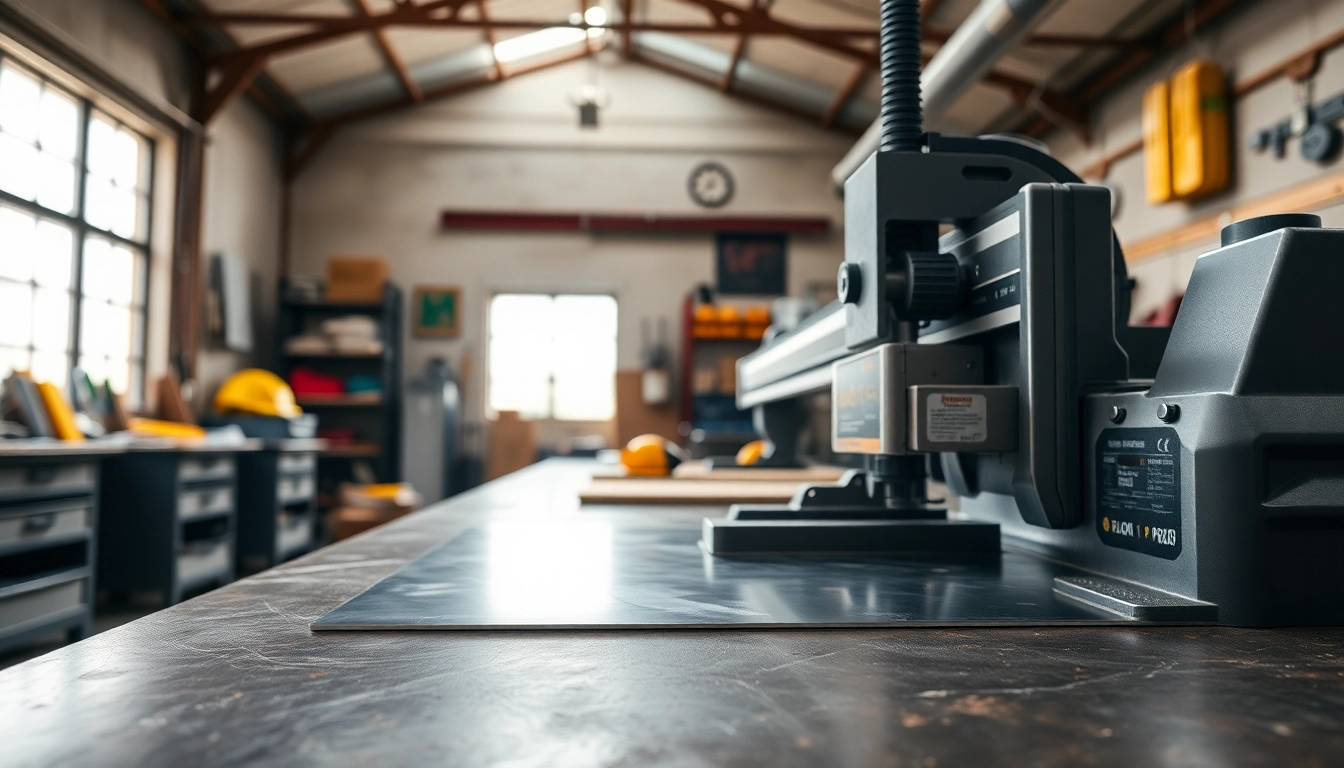
Understanding Different Types of Cutting Equipment
Overview of Cutting Equipment
Cutting equipment plays a vital role in various industries, including manufacturing, construction, and automotive. It encompasses a wide range of tools and machines designed to slice through materials with precision and efficiency. From simple handheld tools to complex machinery, understanding the different types of cutting equipment on the market is essential for professionals seeking to enhance productivity and quality in their work. This article will guide you through the various forms of cutting equipment available.
Material-Specific Cutting Equipment
Different materials require distinct cutting approaches to ensure efficiency and prevent damage. The following are some common material-specific cutting tools:
- Metal Cutting Equipment: Tools such as band saws, plasma cutters, and shears are specifically designed to handle metal, each offering varying degrees of precision and throughput.
- Wood Cutting Equipment: Saws like table saws, circular saws, and jigsaws are tailored to cut wood efficiently.
- Textile Cutting Equipment: Fabric scissors, rotary cutters, and laser cutters are designed for clean cuts in textiles, crucial for fashion and sewing industries.
- Composite Material Cutting Equipment: Tools that incorporate diamond blades or abrasive cutting technologies are suited for tough composites used in aerospace and automotive applications.
Choosing the Right Type for Your Needs
When choosing cutting equipment, it is crucial to assess the specific requirements of your projects. Factors to consider include material type, thickness, and desired precision. Additionally, understanding your workflow and production volume will help in selecting equipment that supports efficiency and productivity.
Key Features to Consider in Cutting Equipment
Precision and Accuracy
Precision is paramount in cutting applications. High-quality equipment provides consistent accuracy, which reduces waste and enhances product quality. Look for tools equipped with digital readouts or advanced guiding systems to boost accuracy.
Durability and Material Quality
The longevity of cutting equipment relies significantly on the materials used in its construction. Choose equipment made from high-grade metals or durable composites, as these will withstand prolonged use without significant wear and tear.
Ease of Use and Maintenance
User-friendly features such as ergonomic designs, intuitive controls, and easy maintenance processes help operators work efficiently and safely. Equipment that simplifies disassembly, cleaning, and part replacement leads to better operational performance over time.
Best Practices for Operating Cutting Equipment
Safety Measures to Follow
Ensuring safety while operating cutting equipment is non-negotiable. Always wear personal protective equipment (PPE) such as goggles, gloves, and ear protection. Engaging in proper safety training and adhering to operational guidelines will minimize workplace accidents.
Tips for Optimal Performance
To achieve optimal performance, operators should ensure that the cutting tool is appropriate for the material and thickness being handled. Additionally, maintaining a clean workspace and regularly checking equipment alignment can enhance cutting efficacy and prolong equipment life.
Regular Maintenance Guidelines
Regular maintenance, including cleaning, lubrication, and inspection for wear, is essential to keep cutting equipment functioning effectively. Following manufacturer guidelines for maintenance schedules is vital for ensuring longevity and performance.
Applications of Cutting Equipment in Various Industries
Construction and Engineering Applications
In the construction and engineering sectors, cutting equipment is indispensable for producing precision parts and assembling structures. Tools like concrete saws, pipe cutters, and laser cutting systems allow professionals to execute complex tasks with accuracy and efficiency.
Textile and Fashion Design
The textile industry relies heavily on specialized cutting equipment to create patterns and assemble garments. Frequently used tools include fabric shears, rotary cutters, and automated cutting machines, which enhance productivity and precision in the fashion design process.
Automotive Applications
In the automotive industry, cutting equipment is essential for manufacturing components from various materials, including metals and composites. Tools like plasma cutters, laser cutters, and specialized drills are vital for assembling vehicles efficiently while maintaining strict quality standards.
Frequently Asked Questions about Cutting Equipment
What should I look for when buying cutting equipment?
Focus on precision, material quality, and user-friendly features for better performance.
How do I maintain my cutting equipment?
Regular cleaning, lubricating parts, and following the manufacturer’s guidelines are crucial.
Can I use cutting equipment for multiple materials?
Yes, many cutting tools are versatile; however, ensure they’re suited for each material.
What safety gear should I use while operating cutting equipment?
Wear protective goggles, gloves, and ear protection to ensure safety while cutting.
How can I improve the lifespan of my cutting equipment?
Regular maintenance, proper cleaning, and storing tools in a dry place can enhance longevity.