

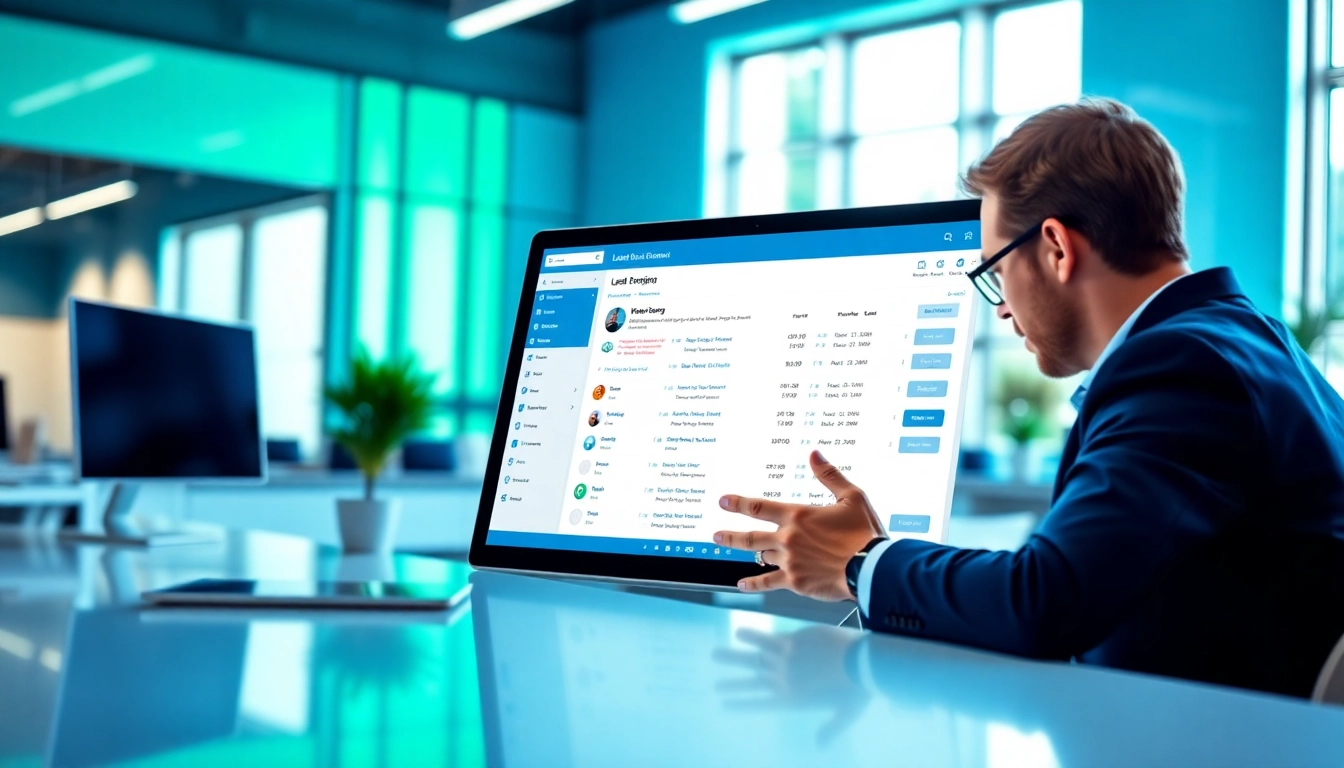
Introduction to linkedin sales navigator scraper
In the fast-paced world of sales and lead generation, professionals are constantly seeking ways to optimize their strategies. The linkedin sales navigator scraper offers a powerful solution for extracting valuable insights from LinkedIn, one of the premier platforms for networking and business engagement. This article aims to uncover the full potential of the linkedin sales navigator scraper and how it can significantly enhance your lead generation efforts.
What is linkedin sales navigator scraper?
The linkedin sales navigator scraper is a tool designed to automate the process of extracting data from LinkedIn’s Sales Navigator. This platform is tailored for sales professionals to connect with potential leads. By utilizing a scraper, you can aggregate information from numerous profiles efficiently, which is critical for building extensive databases of prospective clients. This process involves systematically collecting data such as names, job titles, industry affiliations, and contact information, allowing sales teams to focus on engagement instead of tedious data collection tasks.
Benefits of Using linkedin sales navigator scraper
The benefits of leveraging the linkedin sales navigator scraper extend beyond mere time savings. Here are some key advantages:
- Enhanced Lead Generation: Quickly access a large pool of potential leads tailored to specific criteria.
- Data Accuracy: Obtain up-to-date information, ensuring your outreach efforts are targeting the right individuals.
- Efficiency: Automation significantly reduces the time spent on manual data entry and increases productivity.
- Customizability: Tailor your data extraction according to specific parameters relevant to your business needs.
- Improved Segmentation: Easily categorize leads based on various factors such as location, industry, and company size for targeted campaigns.
Key Features That Stand Out
When exploring different options for a linkedin sales navigator scraper, certain features can significantly enhance your experience:
- User-Friendly Interface: Good scrapers should be easy to use, even for those with minimal technical expertise.
- Data Export Options: The ability to export scraped data in various formats (CSV, Excel) is essential for integration with CRM systems.
- Compliance with Policies: Ethical scrapers ensure that data collection methods comply with LinkedIn policies to prevent account suspension.
- Schedule and Automation: Automate scraping tasks based on specific timing to maintain fresh data without constant oversight.
- Email Enrichment: Some scrapers go beyond basic data extraction by finding verified email addresses associated with LinkedIn profiles.
Setting Up Your linkedin sales navigator scraper
Necessary Tools and Software
To start using a linkedin sales navigator scraper, you will need a few critical tools and software installations. Most scrapers operate as browser extensions or standalone applications, so ensure that you have the following:
- Web Browser: Chrome is commonly recommended due to compatibility with popular scrapers.
- LinkedIn Sales Navigator Account: A premium subscription is often necessary to access advanced features.
- Scraper Extension or Tool: Choose a reputable scraper that suits your specific needs.
- Data Storage Solution: Depending on your preference, this could be a database, spreadsheet software, or customer relationship management (CRM) system.
Integration with LinkedIn
Integrating the linkedin sales navigator scraper with your LinkedIn Sales Navigator account is a straightforward process. Follow these steps:
- Install the chosen scraper extension through your web browser.
- Authenticate the extension with your LinkedIn credentials when prompted.
- Adjust the settings to align with your scraping needs, selecting parameters such as industry or location.
- Familiarize yourself with the dashboard to start collecting data efficiently.
Customizing Your Scraping Preferences
Customization is vital for ensuring that the scraper works effectively according to your needs. Most scrapers will allow you to define:
- Search Filters: Specify criteria such as job titles, locations, industries, and company sizes to hone in on your target audience.
- Data Fields: Select which data points to scrape, such as names, company names, job titles, and email addresses.
- Frequency of Scraping: Set how often you wish to scrape the data to ensure it remains current and relevant.
Optimizing Your Lead Generation Process
Understanding Your Target Audience
A critical component of effective lead generation is having a deep understanding of your target audience. Identify key demographics such as:
- Industry: Focus on sectors that align with your product or service offerings.
- Company Size: Target businesses ranging from small startups to large corporations, depending on your sales strategy.
- Geographic Location: Geographical filters can help localize your marketing efforts.
Effective Data Collection Techniques
Various data collection techniques can be employed to make the most of the linkedin sales navigator scraper’s capabilities:
- LinkedIn Advanced Search: Utilize LinkedIn’s advanced search features to discover leads that meet your established criteria.
- Boolean Searches: Use Boolean operators to refine searches. Phrases like “AND”, “OR”, and “NOT” can filter results more effectively.
- Engagement Metrics: Scrape data not only on profiles but also on their engagement metrics (likes, comments) to identify highly active prospects.
Automating Your Workflows
Automation is essential for maintaining productivity. Here’s how you can automate your workflows using the linkedin sales navigator scraper:
- Scheduling: Coordinate your scraping tasks to gather data during off-peak times when you’re less likely to compete with other users.
- Export Automation: Automatically export scraped data to your preferred formats and databases without manual intervention.
- Follow-Up Reminders: Integrate your scraping tool with a CRM to set follow-up reminders for leads after initial contact.
Analyzing and Leveraging Collected Data
Data Verification Methods
Once data is collected, it is crucial to validate its accuracy. Employ methods like:
- Email Verification Tools: Use tools to check the validity of emails. This reduces bounce rates during campaigns.
- Cross-Referencing Social Media Profiles: Check for consistency across platforms to validate information.
- Survey Techniques: Conduct small surveys or outreach to verify the collected information directly from leads.
Strategies for Effective Data Utilization
To maximize returned value from your scraping activities, you need actionable strategies:
- Personalized Outreach: Use scraped data to tailor message content based on prospects’ industries and job roles.
- Lead Scoring: Implement a lead-scoring system to prioritize leads based on engagement potential and relevance to your offerings.
- Testing and Optimization: Regularly test different outreach strategies and optimize based on response rates, ensuring your approach is data-driven.
Measuring Your Success Metrics
Lastly, establishing success metrics is vital to gauge the performance of your lead generation campaigns. Important KPIs include:
- Conversion Rates: Measure how many leads converted into tangible clients.
- Response Rates: Track the percentage of leads that responded to outreach efforts.
- ROI: Calculate return on investment by comparing the cost of scraping tools to the revenue generated from converted leads.
Best Practices and Legal Considerations
Ethical Scraping Guidelines
While scraping can be an invaluable tool, it is essential to follow ethical guidelines:
- Use scrapers responsibly and avoid excessive data collection that may violate user privacy.
- Be transparent in your outreach to ensure recipients understand where your data originated.
- Adhere to local laws and regulations regarding data privacy, such as GDPR or CCPA.
Common Pitfalls to Avoid
Here are some common pitfall areas to watch for with respect to data scraping:
- Ignoring Compliance: Failing to comply with LinkedIn’s terms can lead to account suspension.
- Over-Reliance on Automation: While automation is beneficial, overly relying on it without proper checks can lead to data inaccuracies.
- Lack of Personalization: Generic outreach using scraped data without personalization can yield poor response rates.
Staying Compliant with LinkedIn Policies
To maintain a good standing with LinkedIn, remember the following:
- Avoid using scrapers that bypass LinkedIn’s limitations or policies.
- Regularly review LinkedIn’s Terms of Service and adapt your strategies accordingly.
- Engage genuinely with prospects based on the data gathered rather than just pushing for sales.
FAQs
What is a linkedin sales navigator scraper?
A linkedin sales navigator scraper is a tool that automates data extraction from LinkedIn’s Sales Navigator, allowing users to collect lead information efficiently.
Is scraping LinkedIn legal?
Scraping LinkedIn can violate their Terms of Service, leading to account suspension. Always ensure compliance with policies and local laws.
How can I improve my scraping efficiency?
Enhance efficiency by streamlining your scraping preferences, automating workflows, and focusing on targeted lead searches to reduce data noise.
What data can I collect using a scraper?
You can collect various data points like names, job titles, industry information, emails, and engagement metrics from LinkedIn profiles.
Are there any ethical concerns in data scraping?
Yes, ethical concerns include user privacy, data handling, and compliance with regulations. Always prioritize transparency and responsible use of data.