

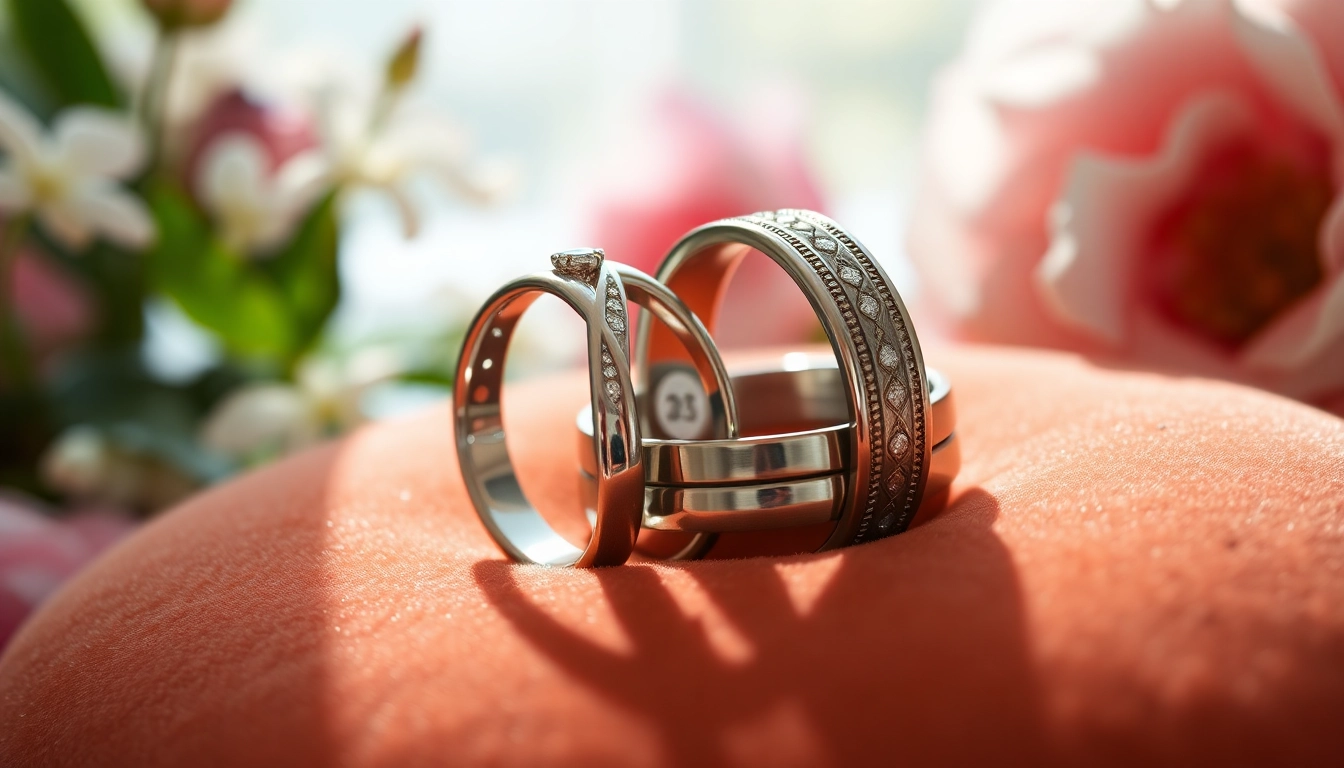
Understanding the Significance of Wedding Bands
Wedding bands are more than just pieces of jewelry; they embody deep emotional connections and significance. They represent the commitment and love shared between partners, serving as a physical manifestation of promises made. As such, the choice of a Wedding bands is a critical decision for any couple. In this article, we will explore the traditions, symbolism, and styles related to wedding bands to assist you in making informed choices.
The Tradition Behind Wedding Bands
The tradition of exchanging wedding bands dates back thousands of years, with ancient Egyptians being some of the first to adopt this practice. They believed that the circular form of the band had no beginning or end, symbolizing eternity. This tradition has been passed down through generations, adapting to various cultures while maintaining its core meaning. In many societies, the act of exchanging wedding bands during the ceremony signifies the union of two lives intertwined forever.
Symbolism of Wedding Bands
Beyond their aesthetic appeal, wedding bands are rich in symbolism. They are often viewed as a declaration of love and a commitment to fidelity. Traditionally worn on the fourth finger of the left hand, many cultures believe that this finger has a direct connection to the heart, known as the “vena amoris.” The material, design, and even the engraving on the bands can amplify their significance, reflecting personal stories and shared experiences between partners.
Choosing the Right Metal for Wedding Bands
When selecting wedding bands, the choice of metal is crucial, as it impacts both appearance and durability. Common options include gold, platinum, tungsten, and titanium, each offering distinct characteristics. Gold, available in various colors such as yellow, white, and rose, is a popular choice due to its timeless appeal. Platinum, while more expensive, is known for its durability and resistance to tarnishing. Tungsten and titanium are gaining popularity for their strength and modern aesthetic. Understanding these differences will guide couples in selecting the perfect metal that aligns with their lifestyles and preferences.
Popular Styles of Wedding Bands
Classic Wedding Bands: Timeless Elegance
Classic wedding bands embody simplicity and elegance. Typically characterized by a smooth, polished finish, these bands are often made from gold or platinum and lack elaborate designs. Their enduring style appeals to couples seeking a traditional and versatile accessory that can be worn with any outfit, making them a staple in wedding jewelry.
Modern Wedding Bands: Contemporary Trends
For couples who wish to break from tradition, modern wedding bands offer a plethora of innovative designs that incorporate unique shapes, patterns, and finishes. Popular trends include bands with textured surfaces, contrasting colors integrated into one design, and unconventional materials like meteorite or wood. These contemporary styles allow couples to express their personalities distinctly, making their wedding bands truly unique.
Custom Wedding Bands: Personal Touches
Custom wedding bands have become an attractive option for couples seeking to infuse personal meaning into their jewelry. Collaborating with a jeweler, couples can design bands that reflect their journey together, such as incorporating specific gemstones, engravings, or motifs that hold special significance. This customization process deepens the bond between partners, making the rings extraordinary reminders of their love story.
How to Choose Wedding Bands That Fit Your Style
Finding the Right Size for Wedding Bands
Getting the right size for wedding bands is crucial for comfort and wearability. An ill-fitting band can be bothersome or even lead to loss. Couples should consider getting professionally sized at a jeweler, especially since finger sizes can change due to various factors, including temperature. It’s advisable to measure fingers at different times of the day, as they may swell slightly during warmer moments.
Matching Wedding Bands with Engagement Rings
Choosing wedding bands that complement engagement rings can enhance the overall aesthetic. Couples should consider factors like metal type, color, and design when seeking harmony between the two rings. Many couples opt for matching sets available from jewelers, while others prefer to mix styles, creating a unique look that reflects both partners’ personalities.
Budget Considerations for Wedding Bands
While wedding bands are an essential purchase, understanding budget constraints is necessary to avoid financial stress. The price of wedding bands can vary significantly based on material, design, and craftsmanship. Couples should set a realistic budget before beginning their search, considering both their financial situation and the significance they attribute to the bands. This will help narrow down options without compromising quality.
Care and Maintenance of Wedding Bands
Cleaning and Polishing Wedding Bands
To maintain their luster and beauty, regular cleaning and polishing of wedding bands are essential. Many metals can tarnish or become dull due to exposure to various elements, so cleaning with a soft cloth or a mild soap solution is recommended. Couples can also visit their jeweler for professional cleaning at least once a year to restore the rings’ original shine.
Storing Wedding Bands Safely
To prevent scratches and damage, storing wedding bands safely when not in use is essential. Couples should consider using a dedicated jewelry box or a soft pouch to protect their bands from wear and tear. Avoiding contact with rough surfaces and other jewelry pieces is necessary to prevent any accidental scratches.
Dealing with Scratches and Damage
Despite careful handling, wedding bands may inevitably face scratches or damage over time. For minor scratches, many couples can use a gentle polishing cloth, but it’s best to consult a jeweler for significant damage or repairs. Regular maintenance can help catch issues early, preserving the ring’s integrity.
FAQs About Wedding Bands
What materials are best for wedding bands?
Gold, platinum, tungsten, and titanium are popular choices. Gold offers tradition, platinum provides durability, while tungsten and titanium are known for their strength and modern appeal.
How do I size my wedding band correctly?
Visit a jeweler for professional sizing, ideally during times when your fingers are warm to avoid swelling. It’s also good to measure at different times throughout the day.
Can wedding bands be customized?
Yes! Many jewelers offer customization options, allowing couples to incorporate personal touches like engravings, unique stones, or designs that reflect their love story.
What maintenance do wedding bands require?
Regular cleaning and safe storage are essential for maintenance. Professional cleaning by a jeweler once a year can also help maintain the ring’s shine and integrity.
Are matching wedding bands necessary?
No, matching wedding bands are not necessary. Couples can choose to coordinate styles or select completely different designs that reflect their unique personalities and preferences.