

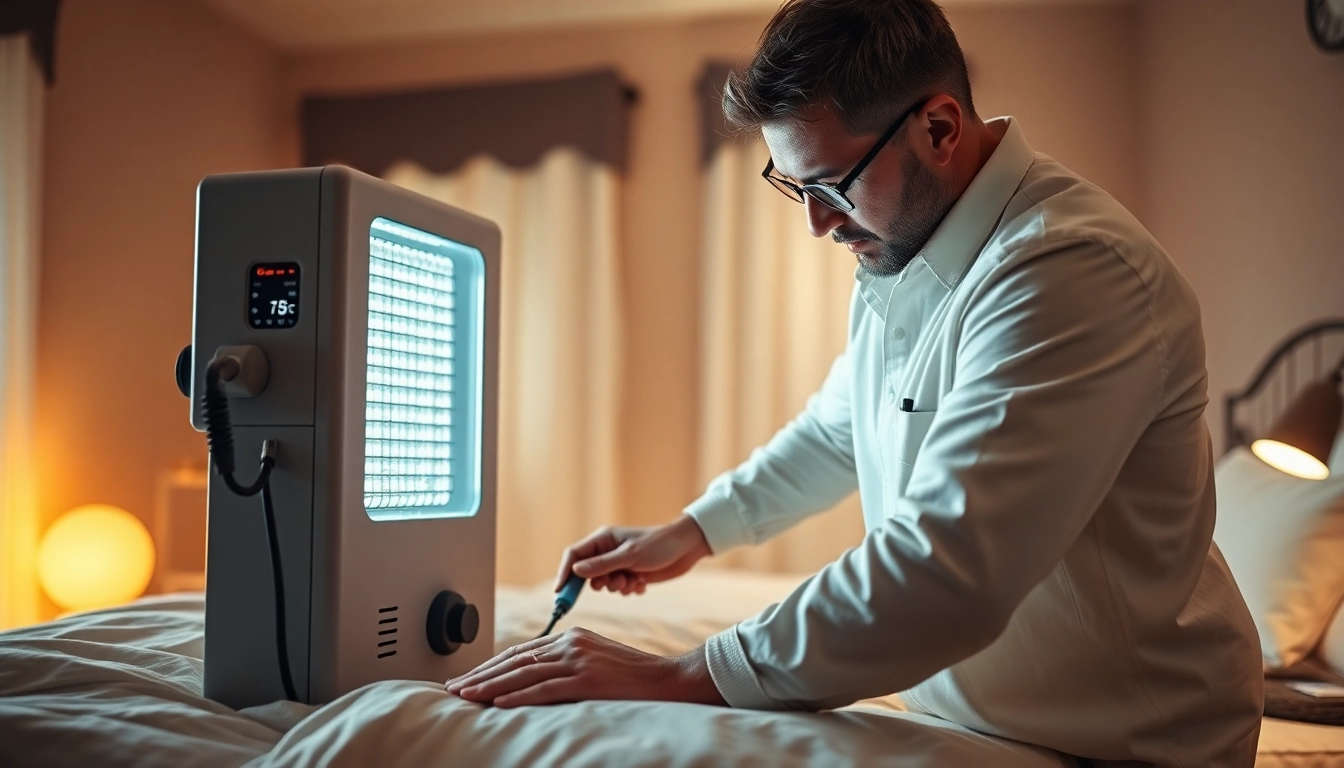
Understanding Bed Bug Heat Treatment
What is Bed Bug Heat Treatment?
Bed bug heat treatment is an effective method used to eliminate bed bug infestations by subjecting an infested area to high temperatures. The process involves raising the ambient temperature to lethal levels for bed bugs—generally between 120°F to 140°F. This method is popular due to its efficiency and environmental safety, as it eliminates all stages of bed bugs, including eggs, without the use of chemicals. For a comprehensive understanding of bed bug heat treatment, you can refer to bed bug heat treatment resources.
Benefits of Bed Bug Heat Treatment
Bed bug heat treatment offers numerous benefits, making it a preferred choice for pest control. The primary advantages include:
- Environmentally Friendly: Heat treatment uses no pesticides, making it safer for both humans and pets.
- Comprehensive Elimination: The method kills bed bugs at all life stages, ensuring thorough eradication.
- Quick Results: Most heat treatments take only several hours to complete, making it a fast solution.
- Minimal Disruption: Residents can return to their homes sooner compared to some chemical treatments.
How Heat Treatment Works
The process of heat treatment involves several steps. Technicians typically begin by assessing the area and preparing the space by removing items that can be damaged by heat. Once everything is in place, specialized heating equipment is utilized to raise the temperature steadily. Equipment includes electric heaters or propane heaters, designed to target specific areas and ensure the heat reaches every nook and cranny where bed bugs may hide.
Preparing for Bed Bug Heat Treatment
Pre-Treatment Steps
Preparation is crucial for the success of bed bug heat treatment. Here are essential steps to take:
- Declutter: Remove unnecessary items from the treatment area. This helps with heat circulation.
- Protect Heat-Sensitive Items: Move electronics, candles, and artwork away from the treatment zone.
- Inform Residents: Ensure all residents know the treatment schedule and understand the procedures.
Identifying Infested Areas
Effective heat treatment starts with accurately identifying infested areas. Bed bugs often hide in common places such as:
- Mattresses and Box Springs
- Bed Frames and Headboards
- Couches and Chairs
- Baseboards and Electrical Outlets
Inspecting these locations thoroughly can help ensure that the treatment is comprehensive.
What to Expect During Treatment
During the heat treatment, you can expect the following:
- The area will be closed off to prevent heat loss.
- Temperature sensors will be placed in critical locations to monitor heat effectiveness.
- Technicians will use specialized equipment to ensure all areas reach the desired temperatures.
Most treatments last between 6 to 8 hours, after which the environment will be cool enough for safe entry.
Executing Bed Bug Heat Treatment
Choosing the Right Equipment
Selecting the right equipment is essential for an effective heat treatment. Commonly used devices include electric and propane heaters, thermal cameras, and temperature monitoring devices. Electric heaters are best for indoor settings, while propane heaters may be more suitable for larger areas or outdoor applications. Each piece must be calibrated accurately to ensure uniform heating throughout the treatment zone.
Temperature Levels for Effective Treatment
To ensure effectiveness, the temperature must typically reach levels between 120°F to 140°F. Here is how different temperatures affect bed bugs:
- 113°F: Bed bugs will begin to die within 90 minutes.
- 118°F: Complete extermination of bed bugs can occur in around 20 minutes.
- 135°F: This is often considered the ideal temperature for optimal kill rates.
Monitoring the Treatment Process
Monitoring during the heat treatment is critical. Technicians will regularly check temperature levels in various locations to ensure all areas reach the necessary heat levels for adequate time. Thermal imaging cameras are often used to detect potential hot and cold spots within the treatment area.
Aftercare Following Bed Bug Heat Treatment
Evaluating Treatment Success
After the heat treatment is completed, the infestation needs to be evaluated to ensure all bed bugs are dead. This can be done through visual inspections and the setup of bed bug monitoring traps in the treated areas. It’s important to wait at least a week after treatment to allow for any remaining hatching eggs to die off.
Preventing Future Infestations
To avoid future bed bug infestations, consider implementing these preventive measures:
- Regular Inspections: Regularly check your home for signs of bed bugs, especially when traveling.
- Seal Cracks and Crevices: Caulk cracks in walls and around baseboards to limit hiding spots.
- Be Cautious with Second-hand Items: Thoroughly inspect or heat-treat any second-hand furniture before bringing it into your home.
When to Seek Professional Help
If you notice bed bugs returning after treatment, or if the problem persists, it is essential to seek professional pest control assistance immediately. Professionals can conduct thorough inspections and provide additional treatments if necessary.
Common Myths about Bed Bug Heat Treatment
Debunking Misconceptions
Several misconceptions persist regarding bed bug heat treatment:
- Myth 1: Heat treatment is unsafe for pets. Fact: When conducted correctly, it is safe for pets.
- Myth 2: You can stay in your house during treatment. Fact: It’s recommended to vacate the premises for safety reasons.
- Myth 3: Heat treatment does not reach all areas in a property. Fact: With proper monitoring, heat can penetrate most places.
Best Practices for Homeowners
Homeowners should adopt best practices before, during, and after a heat treatment. These include staying informed about the treatment process, carefully following all preparation guidelines, and avoiding the introduction of items from outside sources immediately after treatment until the area is confirmed bed bug-free.
Frequently Asked Questions
What is the ideal temperature for bed bug heat treatment?
Ideal temperatures range from 120°F to 140°F for effective extermination.
How long does the heat treatment process take?
Treatments usually last 6-8 hours depending on the room size and level of infestation.
Is heat treatment safe for pets?
Yes, heat treatment is non-toxic and safe for pets when properly executed.
How do I prepare my home for heat treatment?
Inform your pest control service of any concerns, and follow all preparation recommendations provided.
Can I stay in my house during treatment?
It’s recommended to vacate the area for safety and effectiveness during the heat treatment process.