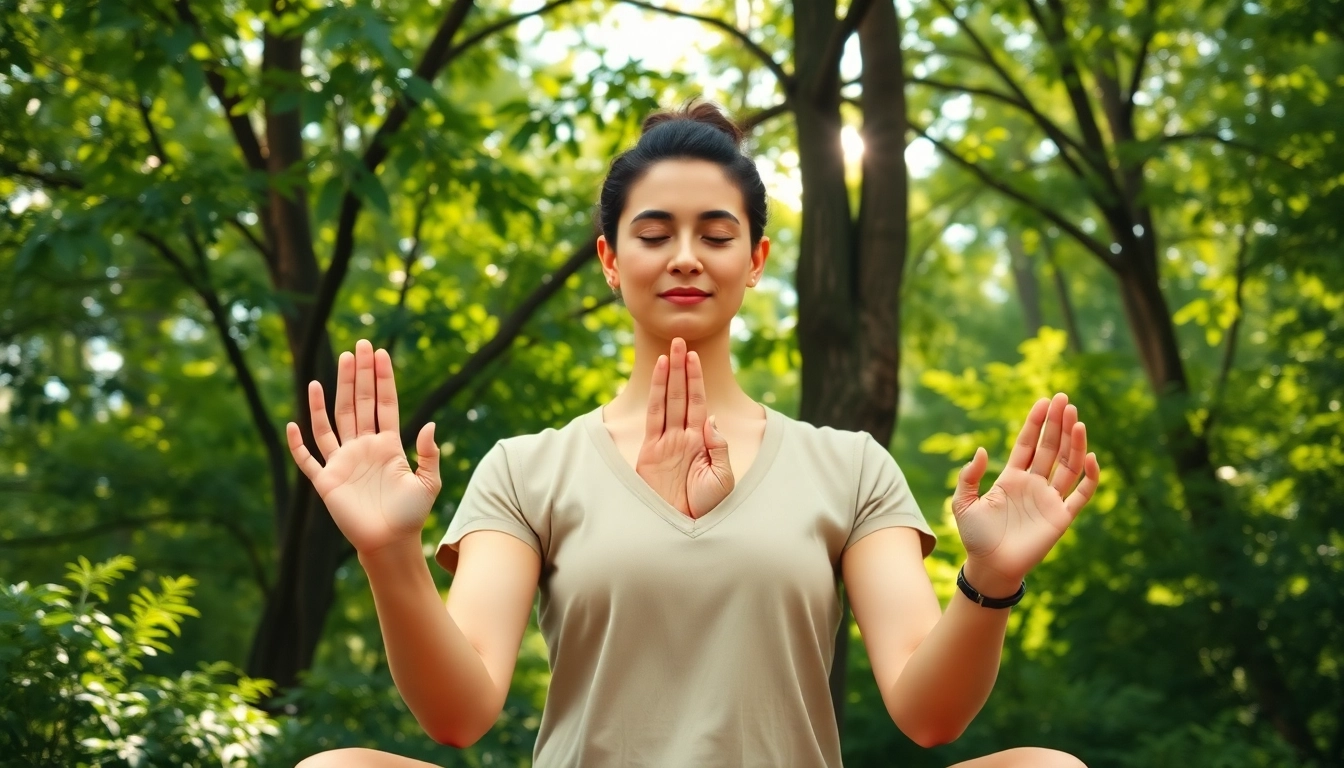
Understanding Yoga Mudras
Definition and Importance of Yoga Mudras
Yoga mudras are symbolic hand gestures that play a significant role in the practice of yoga and meditation. These gestures are believed to influence the flow of energy in the body, enhance concentration, and promote overall well-being. Each mudra is associated with particular intentions and benefits, often serving as powerful tools for aligning the mind, body, and spirit. By practicing yoga mudras, practitioners can work towards balancing their emotions and physical health, making it an essential aspect of holistic yoga practice.
Historical Context of Mudras in Yoga
The concept of mudras can be traced back to ancient Indian texts and spiritual practices, wherein these gestures were used in conjunction with meditation and prayer. Traditionally, mudras were incorporated into the worship of deities and the expression of spiritual teachings. The Sanskrit term “mudra” means "seal," "gesture," or "symbol," highlighting the significance of each pose. Over centuries, yoga mudras evolved, finding relevance within various systems of Indian philosophy, including Buddhism and Hinduism. Their continued usage in contemporary yoga practice underscores their effectiveness as tools for energy manipulation and mindfulness enhancement.
How Yoga Mudras Influence Energy Flow
Central to yoga philosophy is the concept of prana, or life force, which permeates all living beings. Yoga mudras function by channeling prana, directing it through different pathways within the body. Each gesture connects specific fingers and energy points—known as marma points—affecting not just the individual practicing but the surrounding environment as well. For instance, mudras like Anjali Mudra (Prayer Gesture) can cultivate peace and calmness, while other mudras may stimulate energy flow or relaxation. By incorporating mudras into meditation or yoga sessions, practitioners can significantly impact their physical health, mental clarity, and emotional balance.
Types of Yoga Mudras
Exploring Traditional Yoga Mudras
Traditional yoga mudras are deeply rooted in centuries of practice, emerging from ancient texts and teachings. Some of the most well-known mudras include:
- Gyan Mudra: This gesture involves joining the thumb and index finger while keeping the other fingers extended. It promotes knowledge, concentration, and mental clarity.
- Prana Mudra: By touching the tips of the thumb, ring finger, and little finger while extending the index and middle fingers, this mudra is credited with rejuvenating energy and improving vitality.
- Apana Mudra: This gesture channels energy downwards and is often used for detoxification. It involves connecting the thumb, middle finger, and ring finger while extending the index and little fingers.
- Vayu Mudra: Aimed at balancing air elements in the body, this mudra reduces anxiety and restlessness by connecting the tip of the index finger to the base of the thumb.
Modern Adaptations of Yoga Mudras
While traditional mudras hold historical and philosophical significance, modern adaptations have emerged to cater to contemporary yoga practitioners. These adaptations often blend traditional wisdom with new interpretations, making mudras more accessible in today's wellness culture. Practices might involve the use of technology, yoga classes focusing solely on mudras, or workshops that delve deeper into the therapeutic use of hand gestures. Such innovations have sparked interest in integrating mudras with other holistic practices, such as sound therapy or mindfulness techniques, enhancing their relevance in modern wellness frameworks.
Comparing Different Yoga Mudras
Comparative analysis of various yoga mudras reveals unique attributes and benefits. For instance, while Gyan Mudra is primarily focused on wisdom and mental clarity, Prana Mudra emphasizes vitality and energy restoration. Additionally, Apana Mudra plays a key role in detoxification, contrasting with Shuni Mudra, which fosters patience and enhances the feeling of inner peace. Understanding these differences can guide practitioners in selecting the most beneficial mudra for specific needs or goals, promoting a personalized approach to yoga practice.
Benefits of Practicing Yoga Mudras
Physical Benefits of Yoga Mudras
The physical health benefits derived from practicing yoga mudras are extensive. Regular engagement can lead to improvements in various bodily functions:
- Enhancement of Circulation: Certain mudras stimulate blood flow, vital for maintaining overall health and vitality.
- Increased Flexibility: Holding different mudras may promote flexibility in the fingers and hands, contributing to overall dexterity.
- Balanced Energy Levels: Mudras can assist in harmonizing energy, which is particularly beneficial for those experiencing fatigue or lethargy.
- Improved Immune Function: Some studies suggest that specific mudras can aid in enhancing immunity, contributing to better overall health.
Mental and Emotional Advantages
Beyond physical benefits, the practice of yoga mudras significantly impacts mental and emotional states. Some of these advantages include:
- Stress Reduction: Regular practice facilitates relaxation and stress relief, combating negative emotions associated with highly stressful environments.
- Increased Focus: Mudras encourage mindfulness during meditation, improving concentration, and enhancing cognitive performance.
- Emotional Balance: Certain gestures can help individuals cultivate a sense of serenity, promoting emotional stability and resilience against anxiety.
Enhancing Meditation through Yoga Mudras
Incorporating yoga mudras into meditation practices can deepen the experience and amplify its benefits. For many practitioners, mudras act as focal points that enhance meditation by grounding the participant in the present moment. The physical act of forming a mudra provides a tangible method to direct energy positively, aiding in achieving higher states of awareness and connection to one's inner self. By establishing a ritual involving mudras in meditation, yogis can enrich their practice, resulting in profound mental and spiritual rewards.
How to Practice Yoga Mudras Effectively
A Step-by-Step Guide to Yoga Mudra Practice
To maximize the benefits of yoga mudras, it is essential to follow a structured approach when incorporating them into your practice. Here’s a step-by-step guide:
- Select a Suitable Mudra: Choose a mudra that resonates with your physical and emotional needs. For instance, opt for Gyan Mudra for clarity or Prana Mudra for energy enhancement.
- Find a Comfortable Position: Sit in a comfortable posture, such as Padmasana (Lotus Pose) or Sukhasana (Easy Pose). Ensure your spine is straight, and your body is relaxed.
- Join the Fingers: Form the chosen mudra with your fingers based on the guidelines for that specific gesture. Ensure your hands and fingers are relaxed.
- Focus on Breath: Begin to concentrate on your breathing. Inhale deeply through your nose and exhale slowly, maintaining your focus on the rhythm of your breath.
- Practice for Duration: Hold the mudra for several minutes, allowing its effects to permeate your being. Aim for 5 to 10 minutes initially, gradually increasing as you become more comfortable.
- Conclude Mindfully: After your practice, slowly release the mudra and take a moment to reflect on your experience before transitioning to other activities.
Common Mistakes to Avoid when Using Mudras
While mudras are generally simple, practitioners may encounter challenges. Here are some common mistakes to avoid:
- Improper Finger Placement: Each mudra has specific finger placements. Ensure you are following the precise instructions to reap the full benefits.
- Rushed Practice: Avoid rushing through mudra practice. Take your time to settle into the gesture, harnessing its energy over minutes, not seconds.
- Ignoring Comfort: If a particular mudra feels uncomfortable or strained, it is essential to adjust or select a different mudra, prioritizing comfort over forcing the gesture.
Integrating Yoga Mudras into Daily Life
Integrating yoga mudras into daily activities can enhance mindfulness and support overall well-being. Practitioners can incorporate mudras during various everyday activities, such as:
- While Working: Holding specific mudras while at your desk can help ease stress or tension during long work hours.
- During Commutes: Engage in mudras while commuting, turning travel time into an opportunity for calmness and reflection.
- Before Sleep: Practicing calming mudras before bedtime can promote relaxation and enhance sleep quality.
By embedding yoga mudras into routine activities, individuals can continuously connect with their mind and body, promoting greater wellness.
Advanced Techniques and Applications of Yoga Mudras
Combining Mudras with Pranayama
Combining yoga mudras with pranayama, or yogic breathing techniques, can elevate your practice significantly. This integration allows for greater control of prana and enhances its flow throughout the body. Here’s how to incorporate both:
- Choose a Mudra: Select an appropriate mudra that aligns with your intention, such as Vayu Mudra for calming effects.
- Practice Pranayama: After forming the mudra, engage in a pranayama technique, like Diaphragmatic Breathing or Ujjayi Breath. This fusion amplifies energy flow and focus.
- Set an Intention: Prior to practice, set a specific mental focus or intention that resonates with your chosen mudra and pranayama technique.
This combination can enhance meditation experiences, increase energetic awareness, and encourage deeper states of relaxation.
Creative Uses of Yoga Mudras in Meditation
Meditation with mudras does not have to be restricted to traditional postures. Creative applications of yoga mudras can include:
- Guided Meditations: Use visual or auditory guided meditations while holding specific mudras, encouraging deeper engagement with personal growth themes.
- Movement Practices: Integrate mudras into flow practices, transitioning between postures while maintaining mudra formations, amplifying intention and focus.
- Focus on Intention: Select a different mudra for each meditation session based on varying emotional or spiritual goals, encouraging exploration of personal experience.
Tracking Progress and Benefits of Yoga Mudras
To understand the impact of yoga mudras on your practice and daily life, tracking progress is vital. Consider the following suggestions:
- Journaling: Maintain a meditation journal detailing experiences, reflections, and any perceived benefits from practicing specific mudras.
- Set Goals: Establish clear intentions and goals for your mudra practice and revisit them periodically to assess changes in emotional or physical states.
- Seek Feedback: If practicing in a group or with a teacher, seek constructive feedback on your technique and effectiveness of using mudras.
By regularly tracking your practice, you can enhance your understanding of the mudras you select and how they serve your overall wellness journey.