

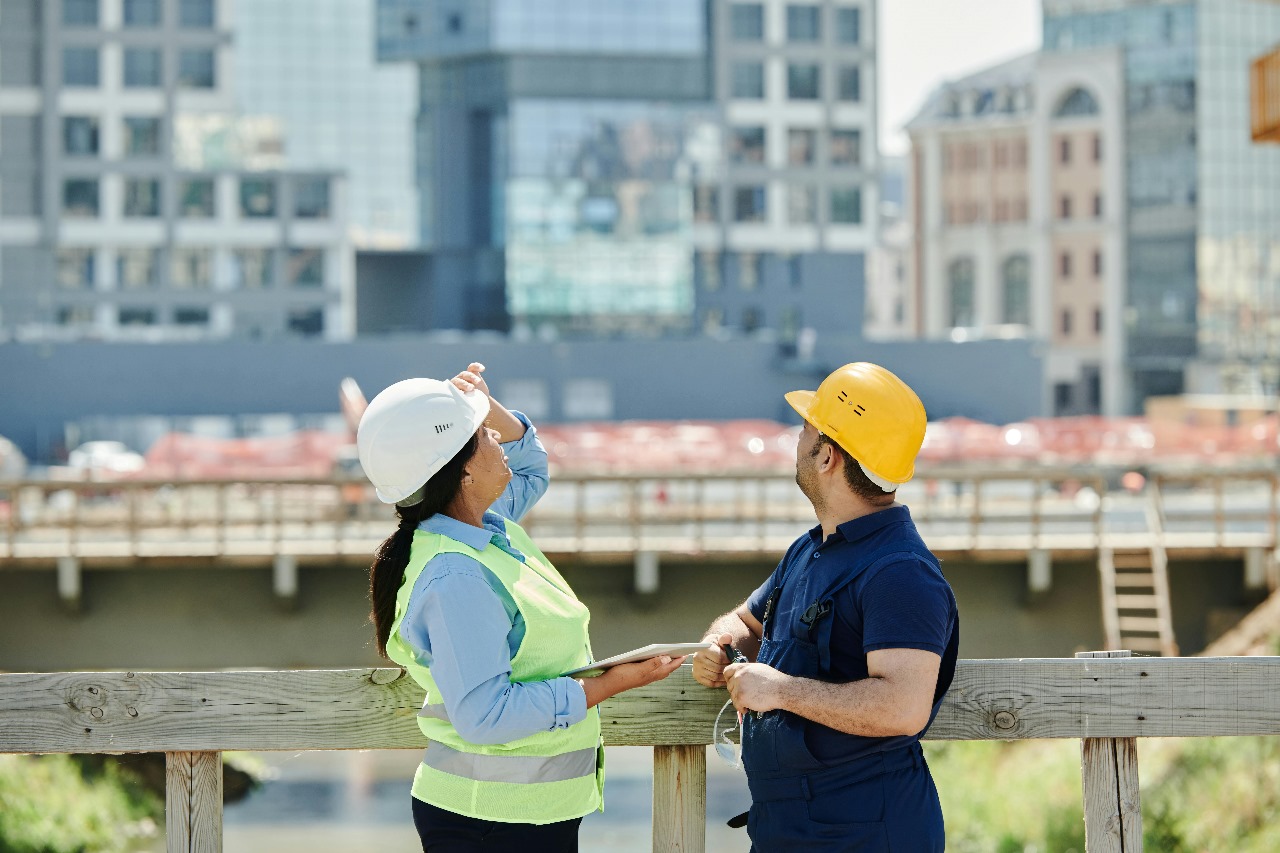
Construction is one of the most dynamic and high-risk industries, making safety a top priority for employers. Ensuring that workers are adequately trained is not only a regulatory requirement but also a crucial factor in preventing accidents and promoting a productive work environment. Construction Safety Training equips employees with the knowledge and skills necessary to recognize hazards, follow safety protocols, and respond effectively to emergencies. Employers who implement structured strategies for safety training can significantly reduce workplace incidents, enhance operational efficiency, and foster a culture of safety.
- Understanding the Importance of Construction Safety Training
- Assessing Training Needs
- Implementing Comprehensive Training Programs
- Promoting a Culture of Safety
- Utilizing Technology in Training
- Training for Supervisors and Managers
- Measuring Training Effectiveness
- Integrating Regulatory Compliance
- Encouraging Employee Engagement
- Continuous Improvement of Safety Training
- Conclusion
Understanding the Importance of Construction Safety Training
Construction Safety Training is vital for maintaining a safe work environment. Workers face numerous risks on construction sites, including falls, equipment accidents, electrical hazards, and exposure to harmful materials. Without proper training, employees may inadvertently put themselves and their coworkers at risk. Training ensures that every worker understands the potential dangers and knows the appropriate safety measures to mitigate them. Employers who prioritize safety training demonstrate their commitment to employee welfare, which can improve morale and retention.
Assessing Training Needs
The first step in developing effective Construction Safety Training strategies is assessing the specific training needs of your workforce. Employers should evaluate the types of projects they handle, the hazards associated with each task, and the skill levels of their employees. Conducting a thorough risk assessment can help identify areas where training is most critical. Customized training programs that address the unique challenges of each worksite are more effective than generic programs, ensuring that employees receive relevant and practical knowledge.
Implementing Comprehensive Training Programs
Construction Safety Training should cover a wide range of topics, including proper use of personal protective equipment (PPE), safe operation of machinery, fall protection, emergency response procedures, and hazard communication. Employers should provide both classroom-style instruction and hands-on training to reinforce theoretical knowledge with practical experience. Ongoing training sessions, refreshers, and updates on new safety regulations are essential to keep employees informed and prepared for evolving workplace conditions.
Promoting a Culture of Safety
Effective Construction Safety Training goes beyond compliance; it fosters a culture where safety is integrated into every aspect of work. Employers can promote a culture of safety by encouraging open communication, recognizing safe behaviors, and involving workers in safety planning. When employees see that management prioritizes safety and rewards adherence to safety protocols, they are more likely to take personal responsibility for their own safety and that of their colleagues.
Utilizing Technology in Training
Modern technology can enhance Construction Safety Training strategies. Employers can use virtual reality simulations, mobile apps, and online modules to provide interactive and engaging training experiences. These tools allow workers to practice responding to hazardous scenarios in a controlled environment, improving their confidence and preparedness. Technology-driven training also enables employers to track progress, assess comprehension, and identify areas that may require additional focus.
Training for Supervisors and Managers
While frontline workers need practical safety knowledge, supervisors and managers require advanced training to oversee safe operations effectively. Construction Safety Training for leadership should include hazard identification, risk assessment, incident investigation, and compliance management. Well-trained supervisors can enforce safety protocols consistently, mentor their teams, and respond promptly to potential hazards, creating a safer overall work environment.
Measuring Training Effectiveness
Employers should regularly evaluate the effectiveness of their Construction Safety Training programs. Performance metrics such as reduced accident rates, fewer near-miss incidents, and improved employee knowledge can provide insights into the success of training initiatives. Feedback from workers is also invaluable in identifying gaps and refining training methods. Continuous evaluation ensures that training remains relevant and impactful, adapting to changes in projects, equipment, and regulations.
Integrating Regulatory Compliance
Compliance with occupational safety regulations is a critical component of Construction Safety Training. Employers must ensure that training programs align with standards set by regulatory bodies such as OSHA and local authorities. Adhering to these requirements not only protects employees but also safeguards the organization from legal penalties and reputational damage. Construction Safety Training that incorporates regulatory compliance demonstrates professionalism and a proactive approach to risk management.
Encouraging Employee Engagement
Employee engagement is essential for successful Construction Safety Training. Workers who actively participate in training sessions, ask questions, and provide input are more likely to internalize safety practices. Employers can encourage engagement by creating interactive sessions, incorporating real-life examples, and fostering a supportive environment. Engaged employees become advocates for safety, helping to reinforce safe practices across the worksite.
Continuous Improvement of Safety Training
Construction Safety Training should never be static. Employers should continuously update training materials, integrate lessons learned from incidents, and adopt best practices from the industry. Encouraging a mindset of continuous improvement ensures that employees remain vigilant, well-informed, and capable of handling new challenges safely. A commitment to ongoing training reflects an organization’s dedication to protecting its workforce and maintaining operational excellence.
Conclusion
Construction Safety Training is a cornerstone of a safe and productive construction environment. Employers who implement comprehensive, engaging, and continuously evolving training strategies can significantly reduce workplace hazards, improve employee morale, and ensure regulatory compliance. By assessing training needs, utilizing modern technology, promoting a culture of safety, and encouraging active participation, organizations can create a worksite where safety is embedded in every action. Investing in Construction Safety Training is not just a legal obligation but a strategic approach to protecting workers, enhancing productivity, and building a reputation for excellence in the construction industry.


