

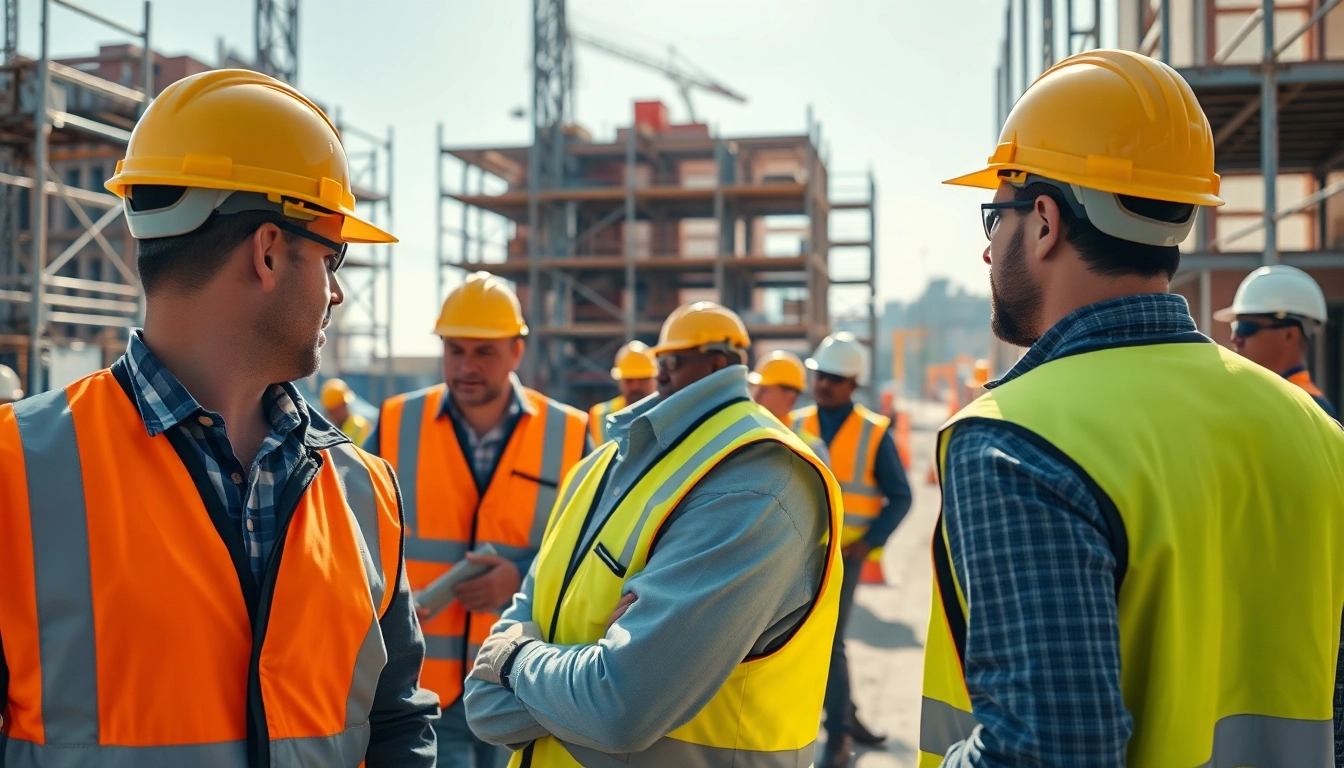
Understanding Construction Site Safety
What Is Construction Site Safety?
Construction site safety refers to the set of practices and protocols designed to safeguard workers and minimize hazards on construction sites. These safety measures encompass everything from equipment handling and personal protective equipment (PPE) to emergency response plans and risk assessment methodologies. The goal is not only to comply with laws and regulations but to foster a culture of health and safety that prioritizes worker well-being above all.
Importance of Construction Site Safety
Ensuring construction site safety is critical for several reasons. Firstly, the construction industry is known for its high rates of accidents and fatalities due to the nature of the work involved. Implementing effective safety measures can significantly reduce these incidents, save lives, and protect workers from injuries that could lead to long-term disabilities. Additionally, maintaining a safe work environment helps companies avoid costly legal issues, financial losses, and minimizes downtime due to workplace accidents.
Key Regulations Governing Construction Site Safety
In many countries, construction site safety is governed by strict regulations set forth by governmental bodies such as OSHA (Occupational Safety and Health Administration) in the United States. These regulations outline requirements for training, equipment, protective gear, and general operational protocols. Compliance with these regulations not only helps in safeguarding the workforce but also enhances the company’s reputation and operational efficiency.
Common Hazards at Construction Sites
Identifying Physical Hazards
Physical hazards on construction sites may include falls from heights, equipment misuse, electrical hazards, and exposure to moving machinery. Recognizing these risks early is crucial. For instance, falls are one of the leading causes of injuries; hence, ensuring guardrails, harnesses, and proper ladder protocols can mitigate these dangers. A thorough site inspection can help identify areas where additional safety measures are needed, such as hazardous walking surfaces or unprotected edges.
Addressing Chemical Hazards
Chemical hazards, such as exposure to solvents, asbestos, and other toxic substances, demand rigorous handling and storage practices. Site supervisors should ensure that all workers are aware of the chemicals they might encounter and that appropriate Safety Data Sheets (SDS) are readily available. Regular training sessions focused on chemical awareness and emergency procedures can empower workers to handle these materials safely.
Preventing Equipment-related Accidents
Equipment-related accidents can arise from improper use, mechanical failures, or lack of training. Regular maintenance checks, operator training, and strict adherence to safety protocols are essential. Moreover, implementing a lockout/tagout procedure can prevent accidental machine startups during maintenance, significantly reducing the risk of accidents.
Best Practices for Construction Site Safety
Implementing Safety Training Programs
Developing a robust safety training program is vital for educating workers about potential hazards and safe work practices. Training should be consistent, engaging, and tailored to the specific risks associated with each construction site. Incorporating practical exercises and simulations can enhance the learning experience, ensuring that workers can effectively apply safety protocols in real situations.
Utilizing Personal Protective Equipment (PPE)
The use of Personal Protective Equipment (PPE), such as hard hats, safety goggles, and gloves, is essential for protecting workers from various onsite dangers. Employers must provide adequate PPE and ensure that workers are trained on its proper use and maintenance. Regular inspections of PPE can further ensure that equipment is in good condition, ready for use when needed.
Conducting Regular Safety Inspections
Regular safety inspections help identify potential risks and ensure compliance with safety standards. These inspections should be systematic and cover all aspects of the construction site, from equipment and materials to work practices. Feedback from these inspections can guide improvements and optimizations in safety protocols, making the site safer over time.
Creating a Culture of Safety
Encouraging Open Communication
Creating a culture of safety involves fostering an environment where workers feel empowered to voice safety concerns and suggest improvements. Regular safety meetings can facilitate this dialogue, allowing teams to collaboratively discuss risks and safety strategies. Open communication builds trust and makes workers feel valued, ultimately leading to a more proactive approach to safety.
Recognizing and Rewarding Safe Practices
Recognizing and rewarding safe practices can motivate workers to prioritize safety consistently. Implementing reward systems for teams who consistently follow safety protocols or complete training can enhance motivation. Celebrating safety milestones can also contribute to a stronger safety culture, underpinning the importance of maintaining high standards.
Involving Workers in Safety Planning
Involving workers in the planning and decision-making processes regarding safety measures can lead to more effective protocols. Workers can provide insights into actual site conditions, helping to develop practical and impactful safety strategies. This inclusive approach not only improves safety outcomes but also fosters a sense of ownership regarding their safety practices.
Measuring the Effectiveness of Safety Protocols
Tracking Safety Incidents and Reporting
To gauge the effectiveness of safety protocols, it’s vital to track all safety incidents meticulously. Incident reports should detail the nature of the incident, root causes, and any corrective actions taken. Analyzing incident data over time helps identify trends and areas that require additional focus or intervention, allowing for data-driven adjustments to safety protocols.
Analyzing Safety Training Outcomes
Evaluating the outcomes of safety training programs is crucial to determining their effectiveness. Pre- and post-training assessments can help measure knowledge retention and the practical application of safety practices. Continuous feedback from workers regarding training relevance and effectiveness can lead to improvements in the curriculum and training methods.
Continuous Improvement for Safety Practices
Safety is an ongoing journey rather than a destination. Continuous improvement practices, such as regular reviews of safety protocols, adaptation based on incident reports, and staying updated with industry standards, are essential for maintaining a safe work environment. Engaging stakeholders at all levels encourages a shared commitment to continuously enhance safety practices.
Frequently Asked Questions
What is the main goal of construction site safety?
The primary goal of construction site safety is to protect workers from accidents and injuries, ensuring a safe working environment while complying with regulations.
How can hazards be identified on a construction site?
Hazards can be identified through regular site inspections, risk assessments, and reports from workers on unsafe conditions or practices.
What types of PPE are essential for construction workers?
Essential PPE for construction workers includes hard hats, safety glasses, gloves, high-visibility clothing, and steel-toed boots.
Why is safety training crucial for construction workers?
Safety training is crucial as it educates workers about risks and safe practices, reducing the likelihood of accidents and injuries on site.
How do you measure safety performance on construction sites?
Safety performance can be measured by tracking incident rates, conducting audits, and assessing training outcomes to identify areas for improvement.