Understanding Steel Structure Design
Steel structure design is a vital aspect of modern construction, integrating advanced engineering principles with material science to create safe, durable, and aesthetically pleasing buildings. By leveraging the inherent strengths of steel, architects and engineers can design structures that maximize spatial efficiency and safety, while also offering flexibility for future modifications. In today’s rapidly evolving construction landscape, the demand for steel structure design continues to rise, driven by its myriad benefits and applications across various sectors.
What is Steel Structure Design?
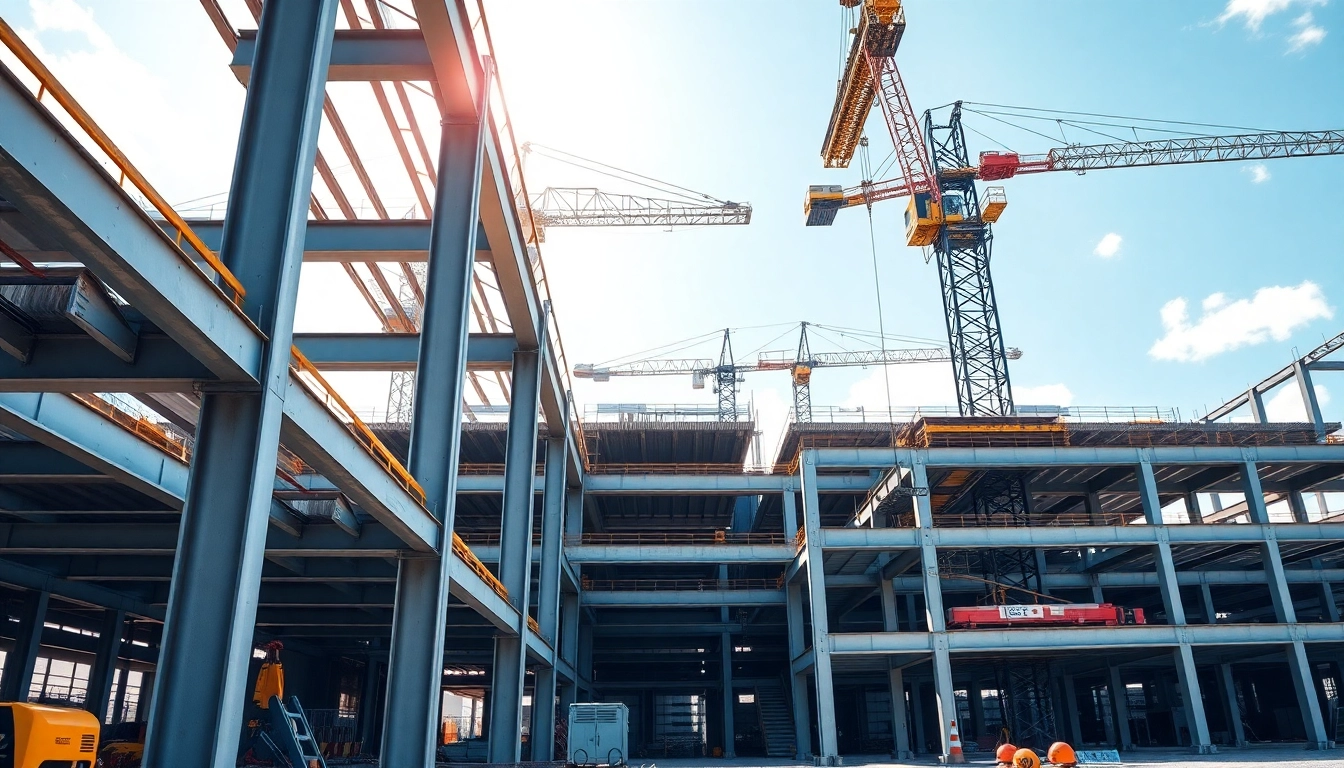
Steel structure design involves the planning and engineering of buildings and other infrastructures that primarily utilize steel as the main structural material. The process encompasses a variety of disciplines, including mechanical, civil, and architectural engineering. Essential aspects include determining the size, shape, and design of structural components to ensure that they can withstand various types of loads, such as weight, wind, and seismic activity.
Benefits of Steel in Construction
The utilization of steel in construction offers numerous benefits that contribute to its popularity:
- Strength and Durability: Steel can support large loads and has a high resistance to structural fatigue, making it ideal for skyscrapers and large industrial complexes.
- Versatility: Steel structures can be designed to accommodate different architectural styles and functional requirements, from modern high-rises to intricate bridges.
- Speed of Construction: Prefabricated steel components can be manufactured off-site and quickly assembled on-site, significantly reducing construction timelines.
- Environmentally Friendly: Steel is 100% recyclable, and its production can be conducted sustainably, resulting in lower overall carbon emissions.
- Cost-Effectiveness: Despite an initial investment, steel structures are often more economical over the lifespan of the building due to lower maintenance costs and energy efficiency.
Common Uses of Steel Structures
Steel structures are commonly used in a variety of applications:
- Commercial Buildings: Office towers, shopping malls, and airports often employ steel due to its ability to create large open spaces.
- Industrial Facilities: Factories, warehouses, and distribution centers utilize steel for its strength and ability to support heavy machinery.
- Bridges: The design of steel bridges ensures long spans and minimal maintenance over time.
- Residential Homes: Increasingly, steel is being used in residential construction for its aesthetic appeal and modern design capabilities.
Key Elements of Steel Structure Design
Material Selection and Specifications
Choosing the appropriate materials is crucial in steel structure design. Engineers must consider various steel types, such as carbon steel, alloy steel, and stainless steel, depending on the project requirements. Specifications, including yield strength, tensile strength, and ductility, must be evaluated to ensure the selected steel meets the structural demands, environmental conditions, and regulatory standards of the project.
Load-Bearing Considerations
Understanding load-bearing requirements is essential for any design. Steel structures must be capable of handling dead loads (permanent/static loads), live loads (temporary/dynamic loads), wind loads, seismic forces, and any potential vibrations. Advanced analytical methods, including finite element analysis (FEA), are often used to predict how structures will behave under various load conditions.
Design Codes and Standards
Compliance with local, national, and international building codes is non-negotiable in steel structure design. Standards set forth by organizations like the American Institute of Steel Construction (AISC) provide guidelines for design, fabrication, and construction. These codes ensure safety, durability, and structural integrity throughout the building’s lifecycle.
Best Practices in Steel Structure Design
Incorporating Sustainable Practices
As sustainability becomes a paramount concern in construction, integrating green practices into steel structure design is vital. This includes minimizing waste during fabrication, utilizing recycled steel, and designing for energy efficiency through thoughtful insulation and energy management systems. Additionally, sourcing materials locally can reduce transportation emissions.
Use of Advanced Software Tools
Modern steel structure design often relies on sophisticated software tools that facilitate modeling and simulation. Tools such as Building Information Modeling (BIM), AutoCAD, and Tekla Structures enable designers to create precise plans, assess structural behavior under various conditions, and visualize the finished structure prior to construction. This approach aids in identifying potential issues early in the design phase, ultimately saving time and costs.
Collaboration with Architects and Engineers
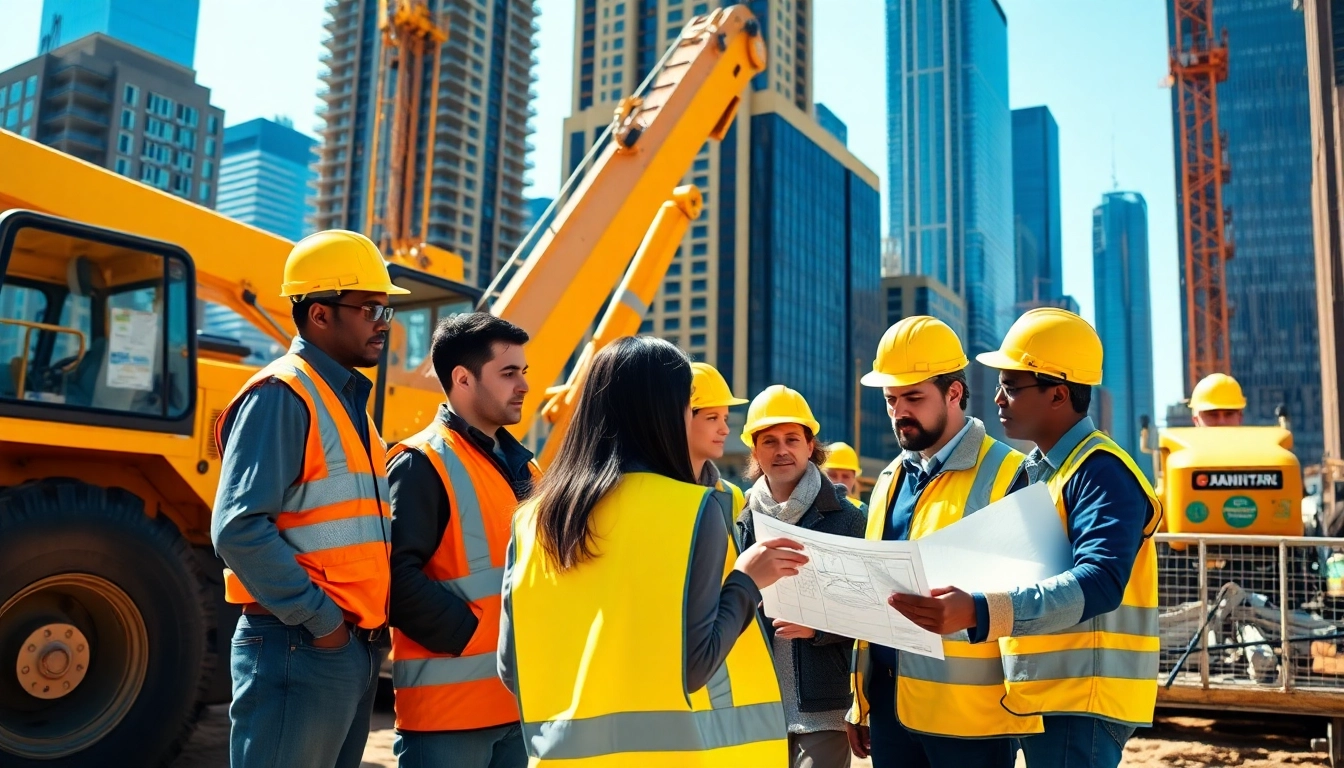
A successful steel structure project requires seamless collaboration between architects, structural engineers, and contractors. Early involvement and open communication channels enhance creativity, streamline the design process, and ensure that the final outcome aligns with the client’s vision and budget. Integrated project delivery (IPD) methods often yield the best results in terms of efficiency and effectiveness.
Challenges in Steel Structure Design
Budget Constraints and Cost Management
One of the most significant challenges in steel structure design is managing budget constraints. Fluctuations in steel prices, unforeseen site conditions, and changes in project scope can all lead to increased expenses. Implementing rigorous project management techniques, conducting thorough feasibility assessments, and maintaining open lines of communication with stakeholders can help mitigate financial risks.
Site-Specific Limitations
Each construction site presents unique challenges, such as geographic and environmental conditions, zoning regulations, and existing structures. Understanding these site-specific limitations is critical for effective steel structure design. Employing site surveys and geotechnical analysis prior to design can help engineers anticipate and address potential obstacles associated with soil, topography, and neighboring developments.
Compliance with Regulatory Requirements
The complexity of compliance with various building codes, safety inspections, and environmental regulations poses a challenge for designers. Staying informed about current regulatory changes, engaging with local authorities early in the design process, and creating a robust compliance plan can help design teams navigate these requirements successfully.
Future Trends in Steel Structure Design
Innovative Materials and Techniques
Innovation in materials and techniques continues to shape the future of steel structure design. Emerging materials like high-performance steel and hybrid construction techniques that combine steel with other materials like wood or concrete are gaining traction. These innovations enhance design possibilities while improving sustainability and performance.
Smart Technologies in Construction
The integration of smart technologies is transforming the construction landscape. Tools like IoT sensors for real-time monitoring, drones for surveying, and augmented reality for visual walkthroughs of projects are increasingly being adopted. These technologies enhance efficiency, safety, and communication among stakeholders during the construction phase.
Aesthetic Trends and Urban Integration
As urban space becomes increasingly constrained, the aesthetic appeal and integration of steel structures in their environment are becoming more significant. Designers are exploring ways to create visually striking buildings that harmoniously blend with surrounding landscapes, employing architectural elements such as green walls and integrated public spaces to enhance urban connectivity.