

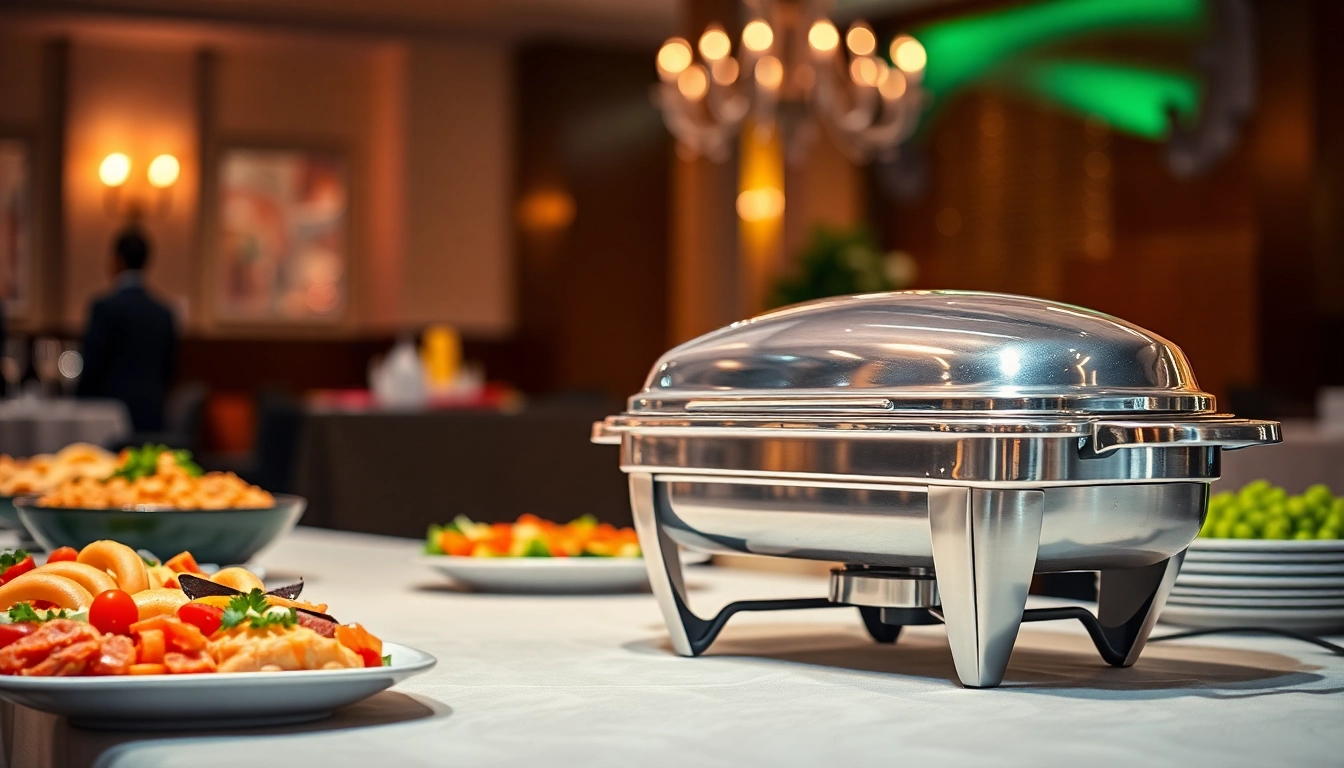
The Importance of Choosing the Right Chafing Dish
When it comes to hosting events, from casual gatherings to formal banquets, one of the most crucial elements is how food is served. This is where the chafing dish becomes an invaluable asset. It not only preserves the temperature of the food but also enhances the overall presentation and experience for guests. Selecting the right chafing dish can significantly influence the success of your event, ensuring that your culinary offerings are both appealing and safe.
Understanding Different Types of Chafing Dishes
Chafing dishes come in various styles and designs, each serving different purposes and catering to diverse event needs. The most common types include:
- Rectangular Chafing Dishes: Ideal for buffet settings, they often come with a lid and are suitable for serving a variety of dishes, including meats, pasta, and vegetables.
- Round Chafing Dishes: Perfect for more elegant settings, round dishes are typically used for soups and sauces and lend themselves well to thematic presentations.
- High-Heat Chafing Dishes: Specially designed to maintain high temperatures, these are essential for keeping foods like grilled meats or heat-sensitive items warm without compromising quality.
- Induction Chafing Dishes: Utilizing magnetic fields, these dishes offer an energy-efficient way to keep food warm and often eliminate the need for open flames.
Choosing Materials for Your Chafing Dish
The material of your chafing dish is as vital as its type. Common materials include stainless steel, aluminum, and copper:
- Stainless Steel: Durable, resistant to rust, and easy to clean, stainless steel is a popular choice for both home and professional use.
- Aluminum: Lightweight and economical, aluminum chafing dishes are excellent for events where transport is necessary.
- Copper: Although more expensive, copper provides a classic aesthetic and excellent heat distribution, making it favored for high-end events.
Consider the style of your event and the dishes you plan to serve when selecting the material for your chafing dish.
Size Matters: Finding the Right Fit for Your Event
Choosing the correct size of your chafing dish is essential to accommodate the number of guests and the amount of food being served:
- Small Chafing Dishes: Typically 2 to 3 quarts, suitable for intimate gatherings or as part of a more extensive buffet.
- Medium Chafing Dishes: Ranging from 4 to 6 quarts, ideal for serving 20-30 people, making them versatile for various events.
- Large Chafing Dishes: Holding 8 quarts or more, these are perfect for large gatherings and can accommodate multiple food items.
The right size ensures an efficient service flow, helping to keep your event organized and enjoyable for all attendees.
How to Properly Maintain Your Chafing Dish
To ensure your chafing dish lasts through many events, proper maintenance is key. This section explores essential maintenance practices to keep your chafing dish in pristine condition.
Cleansing Techniques for Lasting Shine
Cleaning your chafing dish after every use is vital to maintain its appearance and functionality:
- Use a soft cloth or sponge with warm, soapy water to wipe the surface. Avoid abrasive materials that can scratch.
- For stubborn stains, a baking soda paste can be applied and left for a few minutes before scrubbing gently.
- Dry the dish immediately with a soft towel to prevent water spots and maintain its shine.
Storage Tips for Longevity
How you store your chafing dish can impact its longevity:
- Store in a dry place away from moisture to prevent rust and corrosion.
- Use protective covers or padding to prevent scratches if stacking with other kitchenware.
- Keep lids separate or cushioned to avoid damage during storage.
Identifying Common Maintenance Issues
Being proactive about maintenance can help you avoid many common issues:
- Watch for signs of rust, especially in older dishes, and address immediately with appropriate cleaning and conditioning methods.
- Ensure all components, like handles and hinges, are secured and functional to prevent accidents during use.
- Regularly check fuel sources if using heating elements to prevent overheating and ensure safe operation during events.
Creative Uses for Your Chafing Dish
Beyond the traditional use of keeping food warm, chafing dishes offer various creative options for serving food in an engaging way.
Chafing Dish as a Versatile Serving Solution
Chafing dishes can be adapted for various cuisines, serving as a multi-functional solution for:
- Hot food stations featuring a rotating menu of dishes for guests to choose from.
- Self-serve soup or salad bars, allowing guests to customize their meals.
- Gourmet dessert displays, keeping items like pastries and fruits at the ideal temperature.
Innovative Buffet Themes Using Chafing Dishes
Buffet themes can be enhanced significantly with the use of chafing dishes:
- Breakfast Buffet: Use chafing dishes for scrambled eggs, pancakes, and hash browns, creating an inviting morning spread.
- International Cuisine: Present different cultural dishes in themed chafing dishes to create an immersive dining experience.
- Holiday Events: Customize chafing dishes with festive decorations and seasonal menus to elevate the occasion.
Incorporating Chafing Dishes in Outdoor Events
Chafing dishes prove particularly useful for outdoor events, where keeping food at the right temperature can be challenging:
- Consider windproof designs or glass lids to protect food from the elements.
- Use fuel sources that provide consistent heat without being a fire hazard.
- Position dishes smartly to minimize exposure to direct sunlight, which can affect food quality.
Common Mistakes When Using a Chafing Dish
While chafing dishes are user-friendly, several common mistakes can compromise food safety and quality. Understanding these can significantly improve your event management.
Overheating Food: Risks and Solutions
One of the biggest mistakes is allowing food to overheat:
- Heat food slowly and test temperatures periodically to avoid drying out or cooking food unevenly.
- Use the “warm” setting or adjust the flame to ensure a gentle heating process.
Neglecting Different Food Types: What to Avoid
Different foods have varying heat retention needs:
- Certain items, like delicate sauces or soft vegetables, should be kept at lower temperatures to avoid degradation.
- Be mindful of cross-contamination by keeping distinct food groups separate in different chafing dishes.
Guest Safety: Ensuring a Safe Serving Environment
Maintaining a safe serving environment is paramount:
- Position chafing dishes away from high traffic areas to avoid spills and accidents.
- Ensure guests are aware of the hot surfaces and provide utensils designed for safe handling.
FAQs About Chafing Dishes
What is a chafing dish?
A chafing dish is a type of food warmer that keeps dishes hot during serving, ideal for buffets.
Can I use a chafing dish for outdoor events?
Yes, with proper fuel sources, chafing dishes work great for outdoor settings to keep food warm.
How do I clean a chafing dish?
Use warm soapy water, avoid abrasive cleaners, and dry immediately to maintain the shine.
What size chafing dish do I need?
Choose based on guest counts; typically, a 4-quart dish serves 8-10 people effectively.
How long can food sit in a chafing dish?
Food should not sit longer than 2 hours in a chafing dish to ensure safety and quality.