

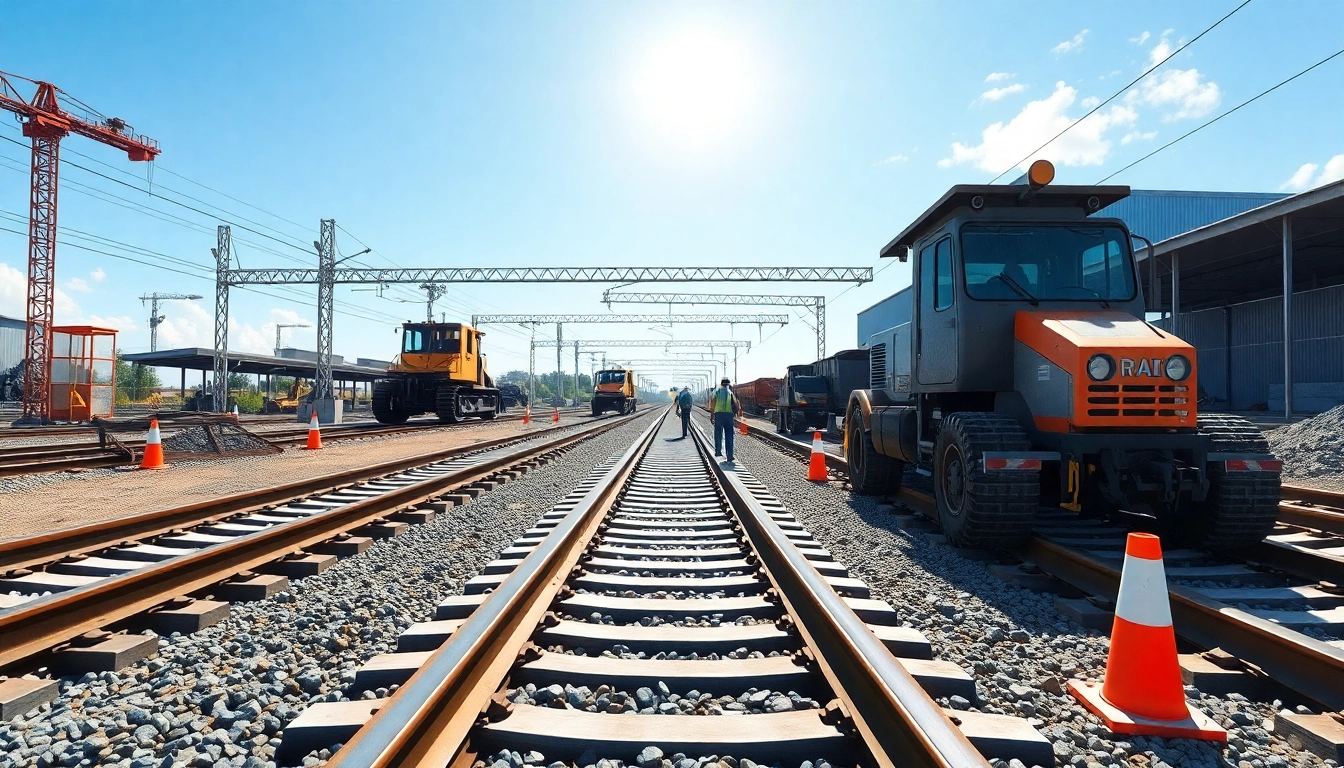
Understanding Railroad Construction Fundamentals
Railroad construction is a vital aspect of building modern infrastructure, facilitating the transportation of goods and passengers across vast distances. It encompasses various stages, methodologies, and safety practices that ensure efficient and secure railway systems. A comprehensive understanding of Railroad Construction is crucial for anyone involved in this industry, from engineers to project managers. In this article, we will explore the fundamentals of railroad construction, the techniques employed, safety practices, essential equipment, and methods for evaluating success in this critical field.
What is Railroad Construction?
Railroad construction refers to the processes involved in constructing new railway lines, including the laying of tracks, building bridges and tunnels, and establishing stations. It plays a crucial role in enhancing transportation networks and promoting economic growth. As a sector, it intertwines engineering, project management, environmental considerations, and adherence to safety regulations to create an efficient rail system that meets public demand.
Key Stages of Railroad Construction
The construction of railroads consists of several key stages:
- Planning and Design: This involves feasibility studies, environmental impact assessments, and preliminary designs to ensure the project aligns with current needs.
- Site Preparation: Ground surveys, clearing, grading, and excavation are performed to prepare the site for track laying.
- Track Laying: The actual installation of the rail tracks occurs during this stage.
- Infrastructure Development: Buildings, bridges, tunnels, and other necessary infrastructure are constructed.
- Testing and Commissioning: Once construction is completed, thorough testing is done to ensure everything operates efficiently and safely.
Importance of Planning in Railroad Construction
Effective planning is the backbone of successful railroad construction. It involves extensive research and collaboration with stakeholders to ensure all aspects of the project align with safety, budget, and timeline goals. Proper planning minimizes risks and optimizes resource allocation, ultimately leading to the successful deployment of the railroad infrastructure.
Techniques Used in Railroad Construction
Track Laying Methods Explained
Track laying is a critical process in railroad construction. Several methods exist, including:
- Ballasted Track: Most common, where tracks are laid on a bed of crushed stone (ballast) that provides stability.
- Slab Track: A relatively newer technique where tracks are mounted on a concrete slab, offering improved durability.
- Trackless Systems: Used primarily in urban transport systems, these systems involve different technologies that do not rely on traditional rail tracks.
Materials Commonly Used in Railroad Construction
The choice of materials is critical to the longevity and safety of railroads. Common materials include:
- Rails: Typically made of steel due to its strength and durability.
- Sleepers or Ties: Usually made from wood, concrete, or steel, these support the rails.
- Ballast: Crushed stone that helps stabilize the track structure.
- Fasteners: Essential components that secure rails to sleepers, often made from steel.
Modern Techniques and Innovations in Railroad Construction
Innovation continues to shape railroad construction practices. New technologies such as GPS-based construction tracking, automated machinery for precise track laying, and eco-friendly materials enhance efficiency and sustainability. Additionally, stress testing and modeling technologies ensure that the infrastructure can withstand real-world conditions and usage patterns.
Safety Practices in Railroad Construction
Importance of Safety Gear and Protocols
Given the physical hazards associated with railroad construction, safety gear is essential. Hard hats, gloves, high-visibility clothing, and steel-toed boots are standard attire. Additionally, adhering to safety protocols minimizes risks and fosters a culture of safety among workers.
Common Hazards and How to Mitigate Them
Several hazards are inherent in railroad construction, including:
- Heavy Machinery Accidents: Implementing rigorous training programs can minimize accidents involving heavy equipment.
- Electrical Hazards: Proper lockout/tagout procedures are necessary when working with electrical systems.
- Tripping and Falling: Keeping work areas clear and maintaining proper walkway markings can help prevent accidents.
Training Programs for Railroad Construction Workers
Robust training programs are crucial for equipping workers with the knowledge and skills necessary to work safely and effectively in railroad construction. Such programs should cover hazard identification, equipment operation, safety protocols, and emergency response measures to ensure worker readiness.
Equipment Essential for Railroad Construction
Types of Machinery Used in Railroad Construction
The construction of railroads relies heavily on specialized machinery, including:
- Track Laying Machines: These automated systems lay tracks efficiently while ensuring precision.
- Excavators: Used for site preparation, digging, and trenching.
- Ballast Regulators: Essential for maintaining proper ballast distribution around tracks.
- Crane Equipment: Employed for heavy lifting tasks, particularly in bridge construction.
Maintenance of Equipment for Reliable Operations
Regular maintenance is essential for keeping machinery in top condition, ensuring operational efficiency and safety. Scheduled inspections, repairs, and adherence to maintenance protocols extend equipment lifespan and reduce downtime.
Emerging Technologies in Railroad Construction Equipment
The railroad construction sector is witnessing significant technological advancements. Drones are increasingly utilized for surveying land from the air, while AI technology optimizes train schedules and equipment usage. Robotics and automated machinery reduce manual labor, enhancing both productivity and safety on construction sites.
Evaluating Success in Railroad Construction
Key Performance Metrics in Railroad Construction
Successful railroad construction projects can be assessed through various key performance metrics, including:
- Project Completion Time: Timeliness of project completion relative to the proposed schedule.
- Budget Adherence: Evaluating the percentage of the project budget spent against initial forecasts.
- Safety Incidents: Tracking the number of reported accidents and injuries on-site.
- Operational Efficiency: Measuring the speed and reliability of rail services post-construction.
Case Studies of Successful Railroad Construction Projects
Examining successful railroad construction projects provides insight into best practices and innovative techniques. Consulting these case studies can inform future projects, showcasing methods that resulted in excellent adherence to timeframes and budgets while ensuring safety and quality standards were met.
Future Trends and Opportunities in Railroad Construction
The future of railroad construction is promising, with a focus on sustainability, efficiency, and innovation. Investments in renewable energy sources, smart city integrations, and advanced tracking technologies indicate a shift toward greener, more efficient railroad systems. Collaborations between public and private sectors are expected to expand as the demand for reliable and efficient transportation continues to grow.
Frequently Asked Questions
What are the major stages of railroad construction?
The key stages include planning and design, site preparation, track laying, infrastructure development, and testing and commissioning.
What materials are primarily used in railroad construction?
Common materials include steel for rails, wood or concrete for sleepers, and crushed stone for ballast.
How is safety ensured during railroad construction?
Safety is maintained through personal protective equipment, strict safety protocols, and comprehensive training for workers.
What types of machinery are used in railroad construction?
Key machinery includes track laying machines, excavators, ballast regulators, and cranes for heavy lifting.
What are some key performance metrics in railroad construction?
Key metrics include project completion time, budget adherence, safety incidents, and operational efficiency post-construction.