

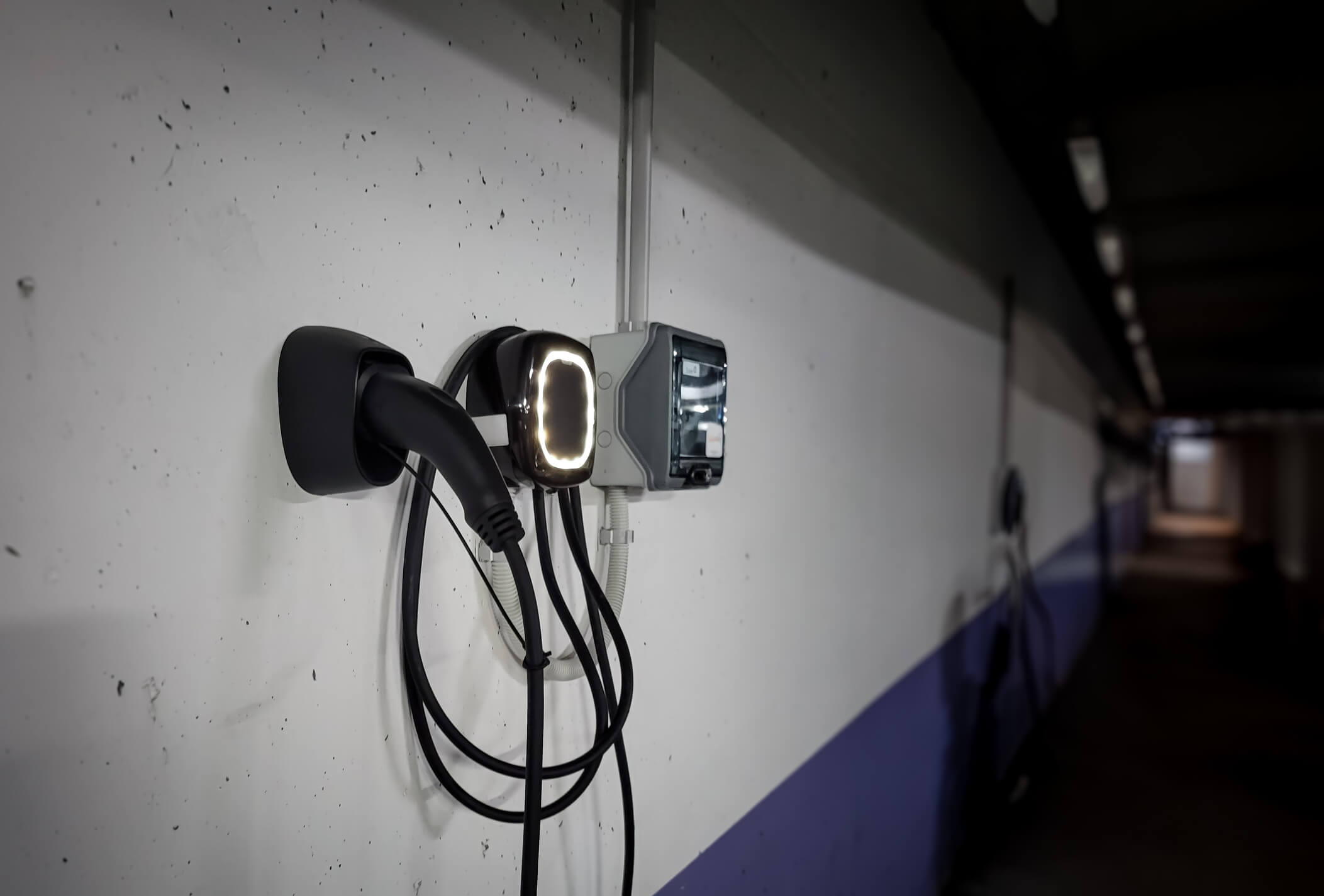
As electric vehicles (EVs) become increasingly prevalent, ensuring proper EV Charging Installation has never been more critical. McNally EV, a recognized leader in EV solutions, emphasizes the importance of professional installation to avoid common pitfalls that can compromise safety, efficiency, and long-term functionality. Whether you are a homeowner, a business, or a property manager, understanding the nuances of EV Charging Installation can save time, money, and frustration.
- Understanding EV Charging Installation Basics
- Choosing the Right Equipment for EV Charging Installation
- Hiring Professional Technicians for EV Charging Installation
- Assessing Electrical Capacity for EV Charging Installation
- Location Considerations for EV Charging Installation
- Compliance and Permits in EV Charging Installation
- Integrating Smart Features During EV Charging Installation
- Avoiding Safety Hazards in EV Charging Installation
- Future-Proofing Your EV Charging Installation
- Maintaining Your EV Charging Installation
- FAQ About EV Charging Installation
Understanding EV Charging Installation Basics
Before diving into EV Charging Installation, it’s crucial to understand the fundamentals. EV chargers are classified into different levels, each with specific electrical requirements. Level 1 chargers use standard household outlets, Level 2 chargers require dedicated circuits, and DC fast chargers demand industrial-grade installations. Proper planning during EV Charging Installation ensures that your electrical system can safely support your vehicle’s charging needs.
Choosing the Right Equipment for EV Charging Installation
Selecting the appropriate equipment is a critical step in EV Charging Installation. Chargers vary in power output, connectivity features, and compatibility with different EV models. Investing in high-quality, certified equipment reduces the likelihood of installation errors. McNally EV advises clients to consider factors such as amperage, cable length, and smart charging capabilities when planning EV Charging Installation to maximize convenience and efficiency.
Hiring Professional Technicians for EV Charging Installation
Attempting DIY EV Charging Installation may seem tempting but can lead to serious safety hazards. Certified electricians bring expertise in handling high-voltage systems, ensuring compliance with local codes, and implementing necessary safety measures. McNally EV’s team of professionals guides customers through every stage of EV Charging Installation, from site assessment to final testing, guaranteeing a reliable and secure setup.
Assessing Electrical Capacity for EV Charging Installation
One of the most common pitfalls in EV Charging Installation is underestimating the electrical capacity required for multiple chargers. Overloading circuits can cause tripped breakers, reduced charging efficiency, or even damage to your home’s electrical system. A comprehensive evaluation during EV Charging Installation ensures that your infrastructure can accommodate your current and future EV needs.
Location Considerations for EV Charging Installation
The placement of your EV charger can impact both usability and safety. Improper location selection may expose equipment to harsh weather or limit vehicle accessibility. McNally EV recommends evaluating driveway space, garage dimensions, and outdoor conditions during EV Charging Installation to optimize convenience while maintaining protection from environmental factors.
Compliance and Permits in EV Charging Installation
Regulatory compliance is a critical aspect of EV Charging Installation. Many jurisdictions require permits, inspections, and adherence to specific wiring standards. Failure to comply can result in fines, insurance complications, or unsafe installations. Engaging professional services ensures all legal requirements are met, mitigating potential risks associated with EV Charging Installation.
Integrating Smart Features During EV Charging Installation
Modern EV chargers offer smart features such as energy monitoring, scheduling, and remote control. Integrating these features during EV Charging Installation enhances efficiency and user experience. McNally EV emphasizes the importance of proper programming and network setup to prevent connectivity issues and ensure smooth operation post-installation.
Avoiding Safety Hazards in EV Charging Installation
Safety is paramount in EV Charging Installation. Faulty wiring, inadequate grounding, and exposure to moisture are common pitfalls that can lead to electrical shocks or fires. Proper installation techniques, quality components, and regular maintenance are essential. McNally EV prioritizes safety in every EV Charging Installation project to protect users and property.
Future-Proofing Your EV Charging Installation
As EV adoption grows, your charging infrastructure should be scalable. Future-proofing during EV Charging Installation involves considering higher-capacity chargers, additional circuit capacity, and flexible placement options. This foresight ensures that your installation remains relevant and functional as EV technology evolves, reducing the need for costly upgrades.
Maintaining Your EV Charging Installation
After successful EV Charging Installation, ongoing maintenance is essential. Regular inspections, cleaning, and software updates ensure optimal performance and safety. McNally EV provides maintenance services to prolong the lifespan of your installation, helping you avoid unexpected downtime or malfunctions.
FAQ About EV Charging Installation
What is the average cost of EV Charging Installation? Costs vary depending on charger type, electrical upgrades, and location complexity. Level 2 installations generally range from moderate to high, while DC fast charger installations can be significantly more expensive due to advanced infrastructure requirements.
Can I perform EV Charging Installation myself? DIY installation is not recommended due to high-voltage risks, code compliance, and warranty considerations. Professional EV Charging Installation ensures safety and long-term reliability.
How long does EV Charging Installation take? Time depends on the complexity of the project. A basic Level 2 installation can often be completed in a few hours, while larger projects or multiple chargers may require a full day or more.
Do I need a permit for EV Charging Installation? Most jurisdictions require permits for electrical work associated with EV Charging Installation. Engaging professionals ensures compliance with local regulations.
How do I maintain my EV Charging Installation? Routine maintenance includes inspecting cables, checking for damage, cleaning connectors, and updating software for smart chargers. Professional services can handle comprehensive maintenance.
Can EV Charging Installation be done outdoors? Yes, but outdoor installations require weatherproof equipment and proper placement to protect against environmental factors. McNally EV recommends considering shelter, drainage, and accessibility during outdoor EV Charging Installation.
EV Charging Installation is a critical component of the EV ownership experience. By understanding the process, selecting the right equipment, and engaging professionals, you can avoid common pitfalls and ensure a safe, efficient, and future-ready charging setup. Trusting experienced providers like McNally EV guarantees that your EV Charging Installation meets all technical, safety, and regulatory standards, offering peace of mind for years to come.


