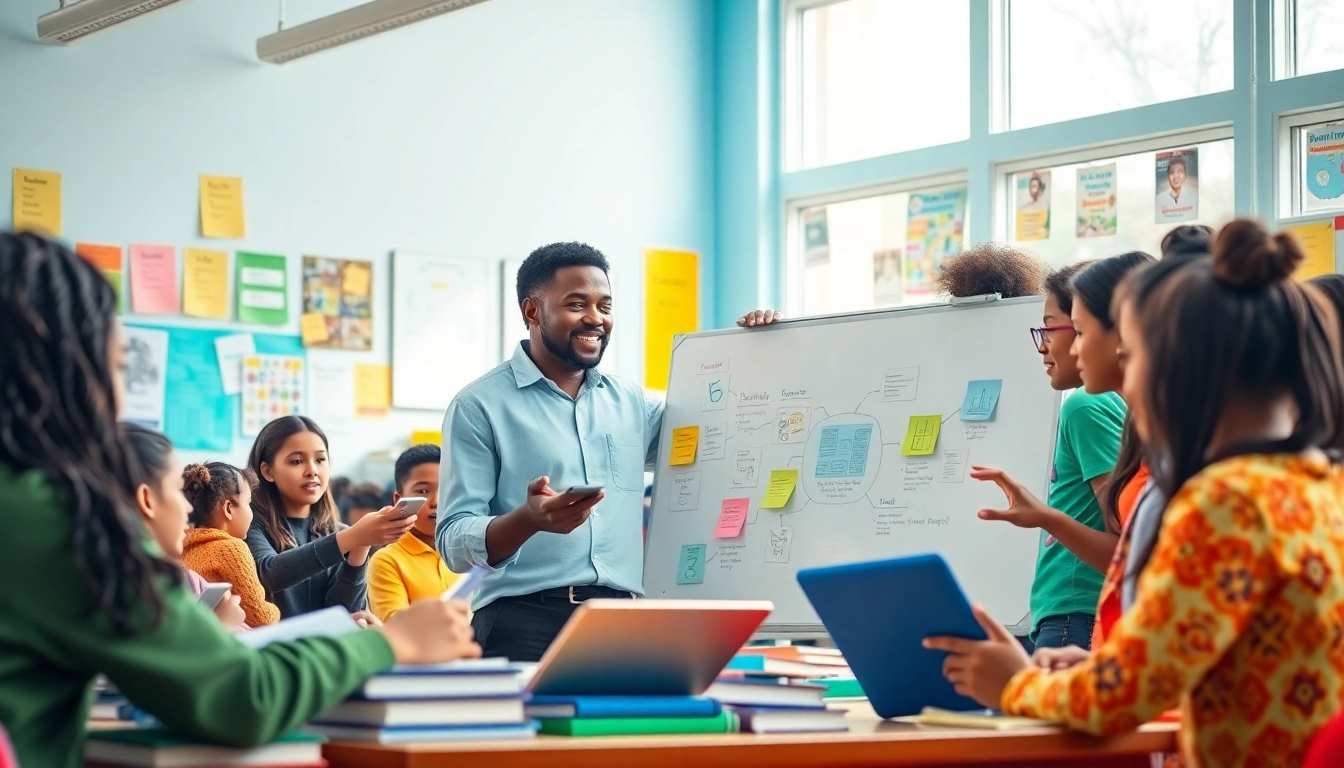
The Importance of Education in Modern Society
Education serves as the foundational pillar for societal growth and individual advancement. As our world evolves, the significance of education continues to expand, especially in the realms of innovation, equity, and justice. It is crucial to understand how education not only shapes individual lives but also acts as a catalyst for social change and economic development. In this article, we will explore various facets of education, including equity, current trends in reform, and how education influences the freedoms and injustices present in our society.
Understanding Education Equity
Education equity means ensuring that all individuals have access to the same quality of education, regardless of their socio-economic background, race, or geographical location. The pursuit of equity is not merely about providing resources but also about creating a supportive learning environment tailored to meet diverse needs. This approach is critical in dismantling persistent barriers that prevent marginalized populations from thriving within the educational system.
Equity in education enhances opportunities for all students. Programs aimed at offering additional support, such as tutoring and mentorship for disadvantaged students, can significantly impact academic outcomes. By addressing resource allocation and fostering an inclusive atmosphere, we can work towards a more equitable education system.
Current Trends in Educational Reform
Educational reform has witnessed various trends, especially in response to technological advancements and societal demands. One significant trend is the shift towards personalized learning, which tailors educational experiences to individual student needs and preferences. This approach promotes a more engaging learning environment and addresses diverse learning styles.
Moreover, there is a growing emphasis on incorporating social-emotional learning (SEL) into curricula. SEL focuses on developing essential life skills such as empathy, decision-making, and teamwork, preparing students for environments beyond academic settings. As our understanding of education evolves, reform initiatives must adapt to incorporate these vital elements.
How Education Influences Freedom and Justice
Education is closely linked to the concepts of freedom and justice. Access to quality education empowers individuals to break cycles of poverty and inequality. It provides the knowledge and skills necessary to advocate for oneself and others. In societies where education is equitable, citizens are better equipped to participate in democratic processes and fight for their rights.
Furthermore, education plays a crucial role in instilling values of justice and fairness among students. Curricula that highlight social justice issues and encourage critical thinking equip students to challenge injustices they encounter in their communities. This transformative power of education is essential in fostering a society where freedom and justice are attainable for all.
Innovative Approaches in Education
Digital Learning Tools and Resources
In today's digital age, technology has transformed the education landscape, enabling innovative teaching and learning practices. Digital learning tools, such as online courses and educational apps, provide students with flexible, personalized learning experiences. These resources facilitate interactive learning that can engage students in ways traditional methods cannot.
Furthermore, the integration of Artificial Intelligence (AI) and machine learning in educational settings has shown promise in assessing student progress and tailoring lessons according to learning gaps. As we look forward to 2026, the role of technology in education will likely expand, pushing boundaries and setting new standards for learning.
Project-Based Learning: Engaging Students
Project-based learning (PBL) is an educational approach that encourages students to learn by engaging in real-world projects. This method not only enhances critical thinking and problem-solving skills but also fosters collaboration among students. By working on projects that relate to their interests, students are more likely to stay engaged and retain information.
In practice, PBL involves students researching a topic, proposing solutions, and presenting their findings. This hands-on approach prepares them for future careers while allowing them to develop essential soft skills, such as communication and teamwork.
Community Involvement in Education
Community involvement in education creates a robust support system that benefits students, teachers, and families alike. Schools that actively engage with their communities often see improved student performance and enhanced educational experiences. Community partnerships can provide resources, mentorship, and real-world connections that enrich the learning environment.
Moreover, when families and local organizations collaborate with schools, students gain access to additional learning opportunities and resources that might otherwise be unavailable. Encouraging community engagement can lead to a more holistic approach to education, where students feel supported from multiple avenues.
Challenges Facing Education Today
Addressing Inequalities in Access to Education
Despite progress towards equity, many students still face significant challenges in accessing quality education. Geographic disparities and socio-economic factors often dictate the level of education available to students. Rural and impoverished urban areas frequently lack adequate funding, qualified teachers, and essential learning resources.
To address these inequalities, targeted solutions must be implemented. This includes policy changes that promote equitable funding, teacher training, and resource allocation. By advocating for systemic changes, we can work towards ensuring that every student has access to a high-quality education.
Combating Misinformation in Educational Content
In an age where information is readily available, the risk of misinformation in education has increased. Students must learn to discern credible sources from unreliable ones. Incorporating media literacy into educational curricula is essential in equipping students with the skills necessary to critically evaluate information.
Educators should encourage discussions about current events and controversial topics, guiding students through the complexities of information sourcing. By fostering a culture of critical thinking, we prepare students to navigate a world filled with varying perspectives and misinformation.
Overcoming Resistance to Educational Innovation
Educational innovation often faces resistance from traditionalists who fear change or are skeptical about new teaching methodologies. This resistance can hinder the implementation of beneficial reforms that could enhance the educational experience for students. Overcoming this challenge requires a collaborative approach, involving educators, policymakers, and stakeholders to create a shared vision for the future of education.
Professional development opportunities can assist educators in adapting to new methods, while data-driven results from innovative practices can showcase their effectiveness. When stakeholders see the benefits of innovative approaches, they are more likely to support and implement them.
Strategies for Effective Education Reform
Implementing Evidence-Based Practices
Effective education reform requires a foundation built on evidence-based practices. Educational strategies supported by research data tend to yield better outcomes for students. Policymakers and educators must prioritize proven methods that have demonstrated success in various educational contexts.
The utilization of assessment data can guide instructional practices. By analyzing student performance and feedback, educators can tailor their approaches to meet the diverse needs of learners. In addition, continuous monitoring and assessment help refine and improve educational strategies over time.
Fostering Collaborative Learning Environments
Collaboration among educators, students, and communities is a vital aspect of successful education reform. Creating environments that foster teamwork and open communication encourages individuals to learn from one another. Collaborative learning can take many forms, including peer-led discussions, group projects, and interdisciplinary approaches that unite various subject areas.
Through collaboration, students develop critical social skills while learning to approach problems from multiple perspectives. This not only prepares them for academic success but also equips them with the tools needed for future workplace collaboration.
Measuring Success in Education Initiatives
To gauge the effectiveness of educational reforms, it is essential to establish clear metrics for success. These can be quantitative, such as standardized test scores, and qualitative, including student and teacher feedback. By employing diverse measurement strategies, stakeholders can obtain a comprehensive understanding of how well education initiatives are performing.
Regularly reviewing outcomes allows for timely adjustments to strategies and programs, ensuring they remain relevant and effective in meeting educational goals. Setting benchmarks and celebrating progress keeps stakeholders engaged and motivated to pursue ongoing reform efforts.
The Future of Education: Trends to Watch in 2026
Emerging Technologies in the Classroom
The classroom of the future will likely be heavily influenced by emerging technologies such as Virtual Reality (VR), Augmented Reality (AR), and AI. These tools have the potential to create immersive learning experiences, making abstract concepts more tangible for students. For instance, VR can transport students to historical events or scientific phenomena, enhancing their understanding of complex topics.
As we approach 2026, it will be crucial for educators to stay informed about technological advancements and consider how these tools can be integrated into their curricula. By embracing technology, we prepare students to thrive in increasingly digital workplaces.
The Role of Policy in Shaping Education
Education policy plays a decisive role in shaping the direction of educational reform. Policymakers must prioritize equitable funding, access to quality education, and the integration of innovative practices. Advocacy efforts focusing on these areas can lead to significant improvements in the educational landscape.
By promoting policies that support inclusivity, technology integration, and evidence-based practices, we can work toward a more just and equitable education system for all students. Engaging with policymakers and communities can help advocate for necessary changes that benefit everyone.
Predictions for Global Education Trends
As the global landscape continues to evolve, so will educational trends. In 2026, we can expect to see greater emphasis on global citizenship, where students learn to appreciate diverse cultures and perspectives. This focus is vital in fostering empathy and understanding in an increasingly interconnected world.
Moreover, as the climate crisis intensifies, education related to sustainability and environmental consciousness will likely see a surge in importance. Preparing students to navigate global challenges requires a curriculum that is adaptable and relevant to current and future issues.