

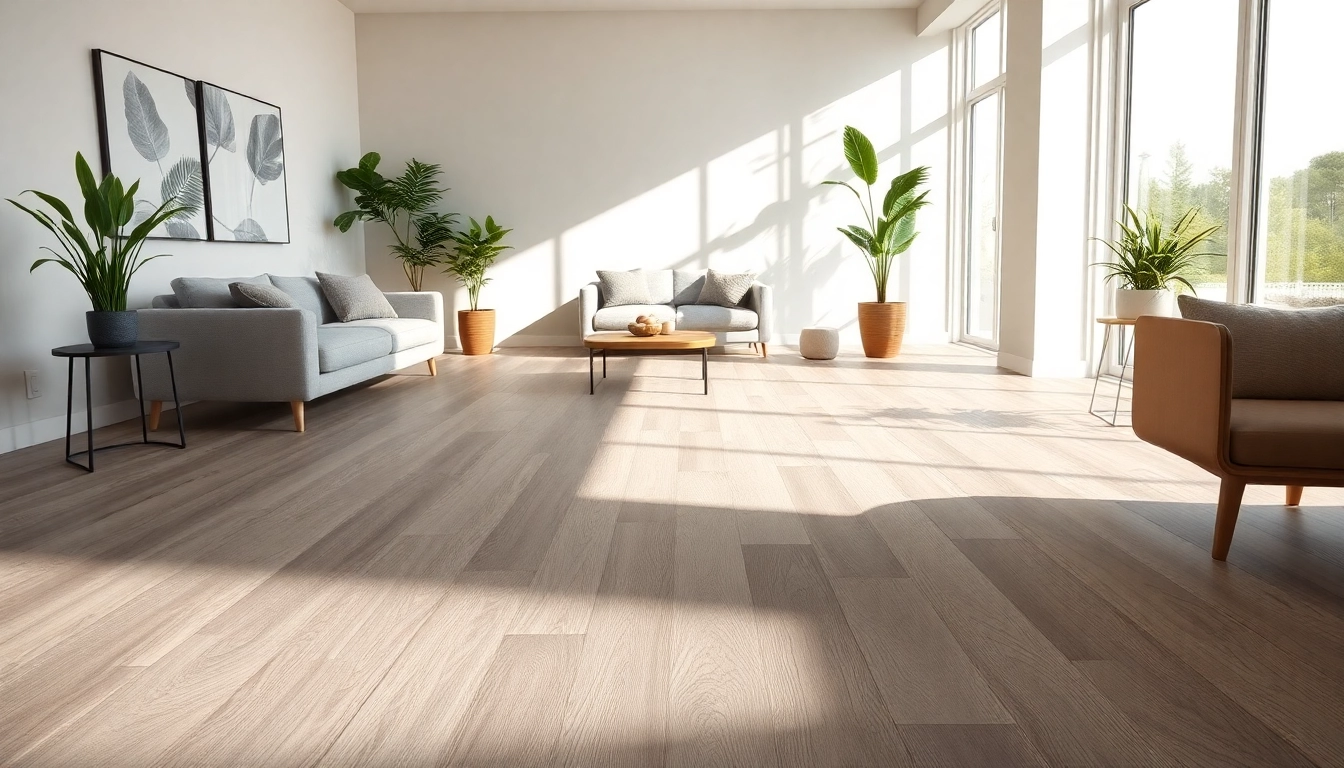
Understanding LVP Flooring: What You Need to Know
Definition of LVP Flooring
Luxury Vinyl Plank (LVP) flooring is a premium resilient flooring option designed to deliver the aesthetic appeal of natural wood or stone while providing enhanced durability and ease of maintenance. LVP is constructed from multiple layers, including a wear layer, a printed design layer, and a backing layer, making it resistant to scratches, water, and stains. Due to its unique structure, LVP is an increasingly popular choice for homeowners looking to combine style and practicality, especially in high-traffic areas.
Benefits of Choosing LVP Flooring
Investing in LVP flooring offers numerous advantages:
- Durability: LVP is designed to withstand heavy foot traffic, pets, and children, making it ideal for homes with active lifestyles.
- Water Resistance: Most LVP products are waterproof, allowing them to be installed in bathrooms, kitchens, and basements without fear of water damage.
- Cost-Effectiveness: LVP typically comes at a lower price point than hardwood or natural stone flooring, making it a budget-friendly option for many homeowners.
- Variety of Designs: LVP is available in an extensive range of styles, colors, and textures, providing options that can fit any aesthetic preference.
- Easy Installation: Many LVP products feature click-lock installation systems, making it possible for DIY enthusiasts to install them without professional help.
- Low Maintenance: Unlike hardwood that requires meticulous care, LVP can be easily cleaned with a damp mop and does not require waxing or refinishing.
How LVP Flooring Compares to Other Flooring Types
When exploring options for flooring, it’s beneficial to understand how LVP stacks up against other materials:
| Flooring Type | Durability | Water Resistance | Cost | Maintenance |
|---|---|---|---|---|
| LVP | High | Waterproof | Affordable | Low |
| Hardwood | Moderate | Not Waterproof | Expensive | High |
| Tile | High | Waterproof | Moderate | Low |
| Carpet | Low | Not Waterproof | Variable | High |
From this comparison, it’s evident that LVP flooring presents a compelling alternative, especially when considering its overall value, ease of maintenance, and versatility.
Where to Find LVP Flooring Near Me
Local Retailers Offering LVP Flooring
When searching for lvp flooring near me, the first step is to check with local home improvement stores and flooring showrooms. These retailers typically carry a diverse selection of LVP brands and styles that can fit various design preferences and budgets. Additionally, visiting local stores allows you to see and feel the flooring options firsthand, helping in making a well-informed decision.
Online Options for LVP Flooring Purchases
The internet has revolutionized shopping habits, and flooring is no exception. Several reputable online retailers specialize in flooring materials, providing competitive prices and sometimes exclusive deals that may not be available locally. Shopping online can also provide you with the convenience of browsing various options at your own pace, along with informative reviews that guide your purchase decision. When selecting online retailers, ensure they have a strong return policy and customer service options in the event of any issues.
Factors to Consider When Choosing a Seller
When selecting a seller for LVP flooring, consider the following factors:
- Reputation: Look for sellers with strong customer reviews and a history of positive service experiences.
- Product Selection: Ensure the seller offers a variety of styles and brands to meet your design needs.
- Pricing: Compare prices among various sellers, but beware of prices that seem too low—they may reflect lower quality.
- Customer Service: Good customer service is crucial in addressing any concerns or questions prior to and after your purchase.
- Delivery and Installation Services: Check if the seller offers delivery and installation services as part of the purchase.
Installation Process of LVP Flooring
Preparing Your Space for LVP Flooring Installation
Before installing LVP flooring, it’s vital to prepare your space properly to ensure a successful installation:
- Remove Existing Flooring: Strip away old flooring materials to provide a clean, flat surface.
- Clean the Subfloor: Sweep or vacuum the subfloor to eliminate dirt and debris that could affect the installation.
- Check for Moisture: Conduct a moisture test on concrete slabs to prevent future problems. A moisture barrier may be necessary.
- Ensure Subfloor is Level: Use a leveling compound if the subfloor is uneven, as LVP requires a flat and smooth surface.
- Acclimate the LVP: Let your LVP planks acclimate in the room for at least 48 hours to prevent expansion or contraction after installation.
Step-by-Step Installation Guide
Installing LVP flooring can be manageable with the right tools and knowledge. Here’s a step-by-step guide:
- Gather Tools: Collect necessary tools like a utility knife, square, tape measure, spacers, and a tapping block.
- Plan Your Layout: Determine the direction you want to install the planks, typically parallel to the longest wall or the main source of light.
- Install the First Row: Place the first plank in the corner, using spacers to leave an expansion gap from the wall.
- Continue Laying Planks: Fit the next plank into the first at an angle and lower it into place, using a tapping block for a snug fit.
- Stagger the Joints: Ensure that you stagger the planks for a more natural look and structural integrity.
- Complete Installation: Continue this process until the whole room is filled, ensuring spacers are used at all walls for expansion.
- Remove Spacers: Once all planks are installed, remove spacers and install baseboards to cover the gaps.
Common Installation Mistakes to Avoid
Being aware of common pitfalls can help ensure a smoother installation process:
- Poor Subfloor Preparation: Not adequately preparing the subfloor can lead to unevenness and damage.
- Ignoring Acclimation: Skipping the acclimation step can cause planks to warp after installation.
- Incorrect Spacing: Failing to leave proper expansion gaps can lead to buckling if the planks expand.
- Improper Cutting: Not following manufacturer guidelines for cutting can cause misfits and gaps.
- Forgetting Underlayment: Lack of underlayment can affect comfort and noise levels.
Maintaining Your LVP Flooring
Daily Care and Cleaning Tips
Proper maintenance can extend the lifespan of your LVP flooring:
- Regular Sweeping: Sweep or vacuum regularly to avoid dirt buildup that can scratch the flooring.
- Moist Mopping: Use a damp mop and a gentle cleaner specifically designed for vinyl flooring for regular cleaning.
- Spot Cleaning: Immediately clean spills or stains with a soft cloth and a mild detergent to prevent stains from setting.
- Area Rugs: Use area rugs in high-traffic zones to protect the floor from excessive wear.
Dealing with Scratches and Damage
Even durable flooring can incur scratches. Here’s how to manage damage:
- Minor Scratches: For small scratches, use a vinyl floor repair kit or simply buff them out with a cloth.
- Deep Scratches or Gouges: Use putty or a filler designed for vinyl flooring to fill in deeper damage.
- Replace Damaged Planks: If a plank is irreparably damaged, LVP allows for individual plank replacement without needing to replace the entire flooring.
How to Protect Your LVP Flooring Long-Term
Protecting your investment in LVP flooring involves some key strategies:
- Furniture Pads: Use felt pads under furniture legs to prevent scratching and denting.
- Rug Placement: Consider placing rugs in high-traffic areas and under furniture to reduce wear.
- Climate Control: Maintain a stable indoor temperature and humidity level to avoid expansion or contraction of flooring.
- Regular Inspections: Routinely check for signs of damage or wear early to address issues promptly.
FAQs About LVP Flooring
What Is the Cost of LVP Flooring?
The cost of LVP flooring can range from $2 to $7 per square foot, depending on the quality and brand of flooring. Installation costs may add to the total price.
Can LVP Flooring Be Installed Over Existing Floors?
Yes, LVP flooring can often be installed over existing hard surface floors, provided they are clean, level, and structurally sound. Check with the manufacturer for specific recommendations.
Is LVP Flooring Waterproof?
Most LVP flooring is designed to be waterproof, making it an excellent choice for areas prone to moisture, such as bathrooms and kitchens.
How Long Does LVP Flooring Last?
LVP flooring typically lasts between 10-25 years, depending on the quality of the product and the level of maintenance it receives.
Can I Install LVP Flooring Myself?
Yes, many homeowners choose to install LVP flooring themselves due to its user-friendly installation process. Following a manufacturer’s guide can help ensure success.