Understanding the Outdoor Living Configurator
In today's rapidly evolving world of home design, creating a seamless outdoor living space has become a top priority for homeowners. The outdoor living configurator serves as a powerful tool that enables users to visualize, design, and customize their ideal outdoor environments ahead of time. By utilizing advanced technologies, this configurator simplifies the complex process of outdoor design and allows individuals to transform their visions into reality. When exploring options, an outdoor living configurator provides comprehensive insights into various elements of outdoor living design.
What is an Outdoor Living Configurator?
An outdoor living configurator is an interactive design tool that assists homeowners and designers in creating personalized outdoor spaces. With features that allow for customization of various components—such as patios, kitchens, gardens, and furniture—these configurators help users visualize their projects in real-time. By integrating 3D modeling and virtual reality capabilities, users can see how their designs will look before any construction begins.
Benefits of Using an Outdoor Living Configurator
- Visualization: Users can see their ideas come to life through detailed renderings.
- Customization: Offers a variety of options tailored to personal preferences and needs.
- Efficiency: Streamlines the design process by allowing changes to be made quickly and easily.
- Cost-Effective: Helps in budgeting by providing accurate material estimates and reducing costly mistakes.
How Configurators Enhance the Outdoor Design Experience
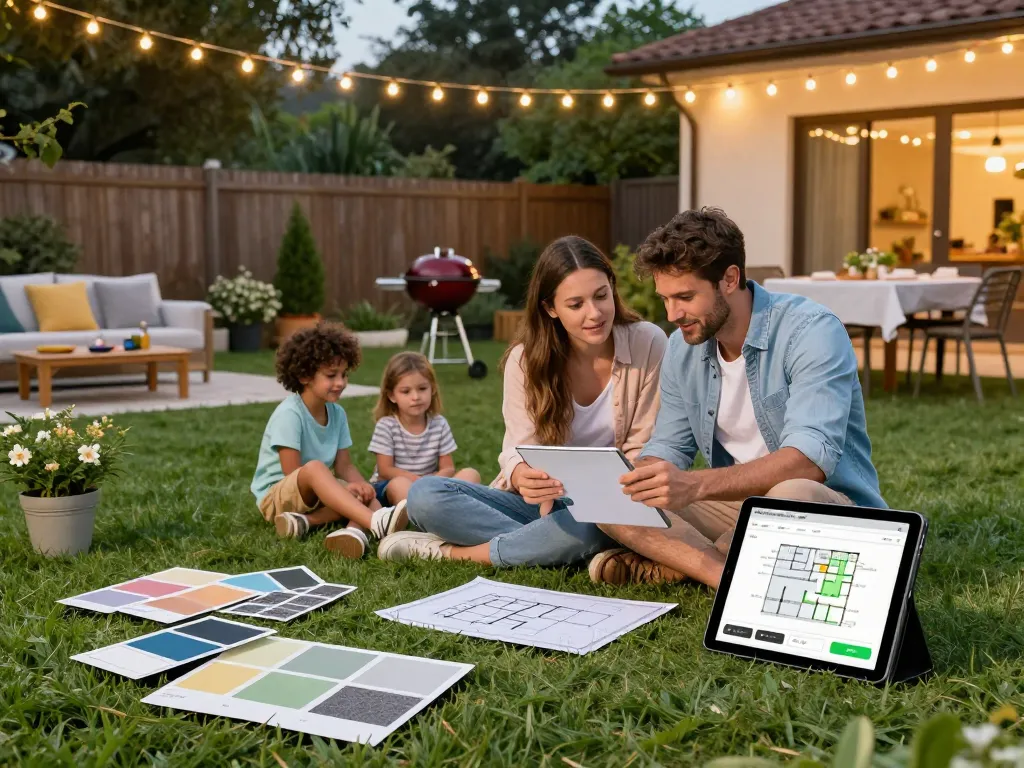
Outdoor living configurators enhance the design experience by enabling collaboration among family members and professional designers. They provide a platform for brainstorming ideas and making informed decisions based on real-time feedback. The ability to experiment with different arrangements, colors, and materials fosters creativity and encourages users to explore unique design possibilities.
Key Features of Effective Outdoor Living Configurators
Customization Options Available in 2026
As we move further into 2026, outdoor living configurators are expected to offer even more advanced customization options. Users can anticipate enhanced tools for selecting materials, layouts, and finishes that align with their aesthetic and functional desires. Features like augmented reality will become commonplace, allowing users to overlay digital designs onto their actual outdoor spaces for more accurate planning.
User-Friendly Interface and Experience
Effective outdoor living configurators prioritize user experience with intuitive interfaces that cater to both novice and experienced designers. Simplified navigation and tutorial guides ensure that even those without a design background can easily create their dream outdoor spaces. Accessibility features, such as voice commands and mobile compatibility, will further enhance user engagement.
Integration with Landscaping and Design Tools
Modern outdoor living configurators are increasingly integrating with landscaping and design applications to provide a comprehensive design experience. These integrations allow users to plan their outdoor spaces holistically, incorporating elements like lighting, irrigation, and plant selection into their designs. This synergy results in well-rounded, functional outdoor areas that reflect users' personal styles.
Best Practices for Using Outdoor Living Configurators
Step-by-Step Guide to Designing Your Space
To maximize the benefits of an outdoor living configurator, follow this step-by-step guide:
- Define Your Goals: Determine the primary functions of your outdoor space, such as entertaining, relaxation, or gardening.
- Gather Inspiration: Collect images, materials, and ideas that resonate with your vision.
- Start Designing: Use the configurator to input your dimensions and layout preferences.
- Customize Features: Experiment with different features, color schemes, and materials.
- Review and Revise: Check your design for practicality and make adjustments as necessary.
- Consult with Professionals: Share your design with contractors or landscape architects for expert feedback.
Common Challenges and Solutions When Configuring
While using an outdoor living configurator is typically straightforward, users may encounter some challenges. Common issues include:
- Overwhelming Choices: The vast array of options can be daunting. Focusing on your primary goals can help streamline choices.
- Inaccurate Measurements: Always double-check measurements and consider hiring a professional for measuring your space accurately.
- Budget Constraints: Set a clear budget from the start and use the configurator's features to select cost-effective options.
By addressing these challenges proactively, users can save time and achieve their desired outcomes.
Real-World Examples of Successful Outdoor Projects
Many homeowners have successfully utilized outdoor living configurators to elevate their outdoor spaces. For instance, a family in California used a configurator to design a multifunctional backyard that included a kid-friendly play area, a modern outdoor kitchen, and a tranquil garden retreat. Their ability to visualize the project before execution led to a cohesive design that melded functionality with aesthetic appeal.
Future Trends in Outdoor Living Design
Emerging Technologies in Backyard Design for 2026
Looking ahead, several emerging technologies will shape outdoor living design. The use of artificial intelligence (AI) in configurators will provide personalized recommendations based on user preferences and trends. Virtual reality (VR) will also allow users to experience their designs in immersive environments, making decision-making easier and more informed.
Sustainable Materials and Practices
As sustainability becomes a priority, outdoor living configurators will likely incorporate features that emphasize eco-friendly materials and practices. Users can expect options for sustainable siding, energy-efficient lighting, and native plant landscaping that reduce water use. These elements not only complement modern design sensibilities but also contribute to a healthier planet.
Predictions for User Preferences and Customization
In 2026, it is projected that users will increasingly favor outdoor living spaces that provide versatility and adaptability. This means designs that cater to various activities, from hosting large gatherings to quiet moments of solitude. Customization will go beyond aesthetics, incorporating elements that adapt to seasonal changes, such as retractable awnings and modular furniture.
Frequently Asked Questions about Outdoor Living Configurators
How does an outdoor living configurator work?
An outdoor living configurator functions by allowing users to input specific measurements and preferences into a digital platform. The tool then generates visual representations of proposed designs, incorporating elements like furniture, landscaping, and lighting.
Can I use an outdoor living configurator for free?
Many outdoor living configurators offer free basic plans, while premium features may require a subscription or one-time payment. Users are encouraged to explore different tools to find the best fit for their needs.
What are the best apps for outdoor space design?
Some highly rated outdoor space design apps include Planner 5D, Homestyler, and Garden Design Pro. These applications offer user-friendly interfaces coupled with powerful design capabilities.
How to integrate existing elements into my design?
Most outdoor living configurators allow users to upload images of existing structures or features. By doing so, users can ensure that new designs harmoniously integrate with the original elements of their outdoor space.
What should I consider when planning my outdoor space?
Key considerations include the overall purpose of the space, climate factors, accessibility, and the integration of existing elements. Additionally, consider your personal style and how it can be expressed through landscaping, materials, and furniture choices.