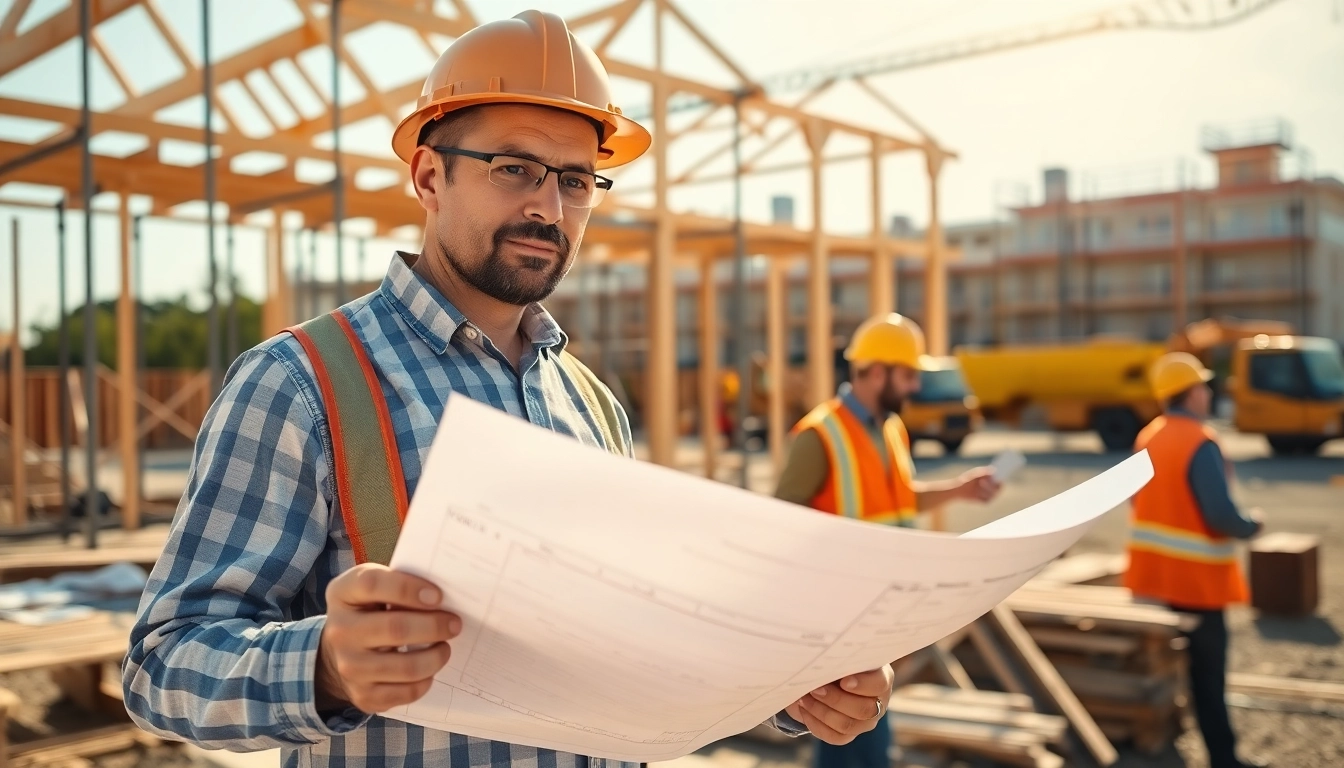
Understanding the Role of a New Jersey General Contractor
When embarking on a construction project, whether residential or commercial, understanding the role of a New Jersey General Contractor is paramount. General contractors act as the nexus between the client, suppliers, and laborers, ensuring that projects are delivered on time, within budget, and to the desired quality standards. Their expertise spans from initial planning to final execution, making them invaluable to the construction process.
Importance of General Contractors in the Construction Process
General contractors play a crucial role in the construction industry by coordinating all phases of a project. They manage timelines, budgets, and ensure compliance with safety regulations and building codes. This holistic oversight helps mitigate risks related to construction delays, cost overruns, and regulatory setbacks.
They also serve as the single point of contact for clients, simplifying communication and decision-making. With their extensive networks of subcontractors and suppliers, general contractors can source high-quality materials and labor efficiently. Their presence ensures that projects are not only executed creatively but also pragmatically.
Key Responsibilities of New Jersey General Contractors
The responsibilities of general contractors in New Jersey encompass a wide array of tasks, including:
- Project Planning: Developing a comprehensive project plan that outlines timelines, resource allocation, and budget estimates.
- Permitting and Licensing: Acquiring necessary permits and ensuring compliance with New Jersey regulations.
- Coordination of Trade Work: Managing subcontractors and trade workers, ensuring that each specialty, from plumbing to electrical work, meets project specifications.
- Quality Control: Implementing quality checks throughout the construction process to adhere to building codes and client expectations.
- Budget Management: Keeping track of expenses to adhere to the allocated budget and negotiating costs with suppliers and subcontractors.
- Communication: Maintaining open lines of communication with clients, subcontractors, and suppliers for prompt issue resolution.
How to Choose the Right New Jersey General Contractor for Your Project
Selecting the appropriate general contractor is vital for the success of any construction project. Here are key factors to consider:
- Experience: Look for contractors with a proven track record in similar projects. Reviewing their past work can provide insight into their capabilities.
- Licensing and Insurance: Ensure that the contractor is properly licensed and carries adequate insurance, which protects both parties in case of mishaps.
- References: Ask for references from previous clients to gauge overall satisfaction and quality of work.
- Communication Skills: A reliable contractor should communicate clearly and promptly, facilitating a more seamless project execution.
- Cost Estimates: Obtain detailed quotes from several contractors, comparing pricing structures without compromising on quality.
Licensing and Regulations for New Jersey General Contractors
Overview of Licensing Requirements in New Jersey
In New Jersey, general contractors are required to be licensed as “home repair contractors” if they perform residential work. This licensing is issued by the New Jersey Department of Banking and Insurance and is mandatory for legally operating within the state. It's important to note that specialized trades dealing with plumbing, electrical, and HVAC installations must also maintain their respective licenses to operate legally.
Importance of Hiring Licensed Contractors
Hiring licensed contractors protects clients by ensuring that the contractor has met specific educational and professional standards. Licenses reflect a level of expertise and understanding of local building codes that is essential for ensuring project quality and safety. Unlicensed work may void warranties, increase liability, and incur fines.
Common Legal Challenges and How to Avoid Them
Legal challenges in construction projects can arise from non-compliance with local codes, contract disputes, or misunderstanding roles. To avoid these pitfalls:
- Clearly Define Contracts: Ensure contracts outline the scope of work, payment terms, and timelines. Include clauses for managing changes or disputes.
- Document Everything: Keep detailed records of communications, progress, and any changes made during the project.
- Understand Your Rights: Familiarize yourself with New Jersey construction laws and rights as a homeowner to protect against potential disputes.
Budgeting for Your Project with a New Jersey General Contractor
Understanding Pricing Models and Estimates
Budgeting is a crucial aspect of managing a construction project. General contractors typically offer different pricing models, including:
- Fixed Price: A set fee for the entire project, beneficial for clients looking for a predictable budget.
- Cost Plus: The contractor is paid for actual costs plus a fee. This model offers transparency but requires careful monitoring of expenses.
- Time and Materials: Clients pay for the actual time spent and materials used. This model suits ongoing projects where the scope may evolve.
Factors Affecting Costs in New Jersey Construction Projects
Several factors can influence the overall costs of a construction project, including:
- Labor Costs: Vary based on market demand, skill sets, and regional standards in New Jersey.
- Materials: Market fluctuations can significantly impact the cost of building materials, from lumber to steel.
- Project Size and Complexity: Larger or more intricate projects typically incur higher costs due to additional resources and time required.
- Location: Construction costs can vary based on the location within New Jersey, influenced by local taxes, zoning regulations, and demand for services.
Tips for Staying Within Your Budget
To ensure your project remains within budget, consider these tips:
- Create a Comprehensive Budget: Include all potential costs, such as permits, materials, labor, and contingencies for unexpected expenses.
- Regularly Monitor Spending: Track expenditures closely, comparing them against your budget to identify any unforeseen expenses early.
- Be Upfront About Changes: Communicate with your contractor if you want to modify any aspect of the project, as changes can affect costs.
Communication Strategies with Your New Jersey General Contractor
Establishing Clear Lines of Communication
Effective communication is paramount throughout a construction project. Establishing clear channels can prevent misunderstandings and ensure smooth progress. Here are relevant strategies:
- Set Communication Expectations: Define how often and in what manner updates will be provided. This could be through meetings, emails, or phone calls.
- Utilize Technology: Employ project management tools that facilitate real-time updates and communication to keep everyone on the same page.
The Role of Regular Updates and Meetings
Regular check-in meetings are crucial for tracking progress and addressing issues promptly. Frequent updates allow for adjustments in timelines and resources, fostering a collaborative environment where challenges can be tackled together.
Handling Disputes Efficiently
Conflicts can arise during construction, but addressing them swiftly can prevent escalation. To handle disputes efficiently:
- Stay Calm and Professional: Approach conflicts without emotional escalation, focusing on solutions rather than blame.
- Seek Mediation: If internal resolution isn’t possible, consider involving a neutral third party to mediate discussions.
Evaluating Project Success with Your New Jersey General Contractor
Key Performance Indicators for Construction Projects
To measure the success of a construction project, utilize Key Performance Indicators (KPIs) that focus on:
- On-Time Completion: Evaluate if the project met upfront timelines.
- Budget Adherence: Review final costs against initial budget estimates.
- Quality of Work: Inspect the final output against standards set at the project’s outset.
Gathering Feedback and Final Inspections
After project completion, gather feedback from all parties involved, including clients and subcontractors. This insight can inform future projects and improve procedures. Conduct thorough final inspections to ensure that the work aligns with expectations and contractual agreements before final payments are made.
Tips for Future Projects with Your New Jersey General Contractor
Building a strong relationship with your general contractor can benefit future projects. Here are tips for collaboration:
- Maintain Open Communication: Keep communication channels open even after project completion for easier coordination in the future.
- Document Lessons Learned: Reflecting on what worked and what didn’t will provide valuable insights for upcoming projects.
- Establish Trust: A trustworthy relationship can encourage more open discussions regarding budgets, timelines, and project changes.
Frequently Asked Questions
Does New Jersey require a general contractor license?
Yes, general contractors in New Jersey must be licensed as home repair contractors if engaging in residential work. They must comply with local regulations.
How do I know if a contractor is reputable?
Check for licenses, read reviews, ask for references, and evaluate their previous work. Engaging with past clients can provide direct insights.
What factors should I consider when creating a budget?
Consider labor costs, material expenses, permits, unexpected contingencies, and project scope to create a comprehensive budget that covers all bases.
What can I do if my project is behind schedule?
Communicate with your contractor to identify the reasons for delays and explore solutions, such as reallocating resources or adjusting timelines.
Can I change my plan once the project has started?
Yes, changes can be made, but they may affect the budget and timeline. Discuss any modifications with your general contractor before proceeding.