

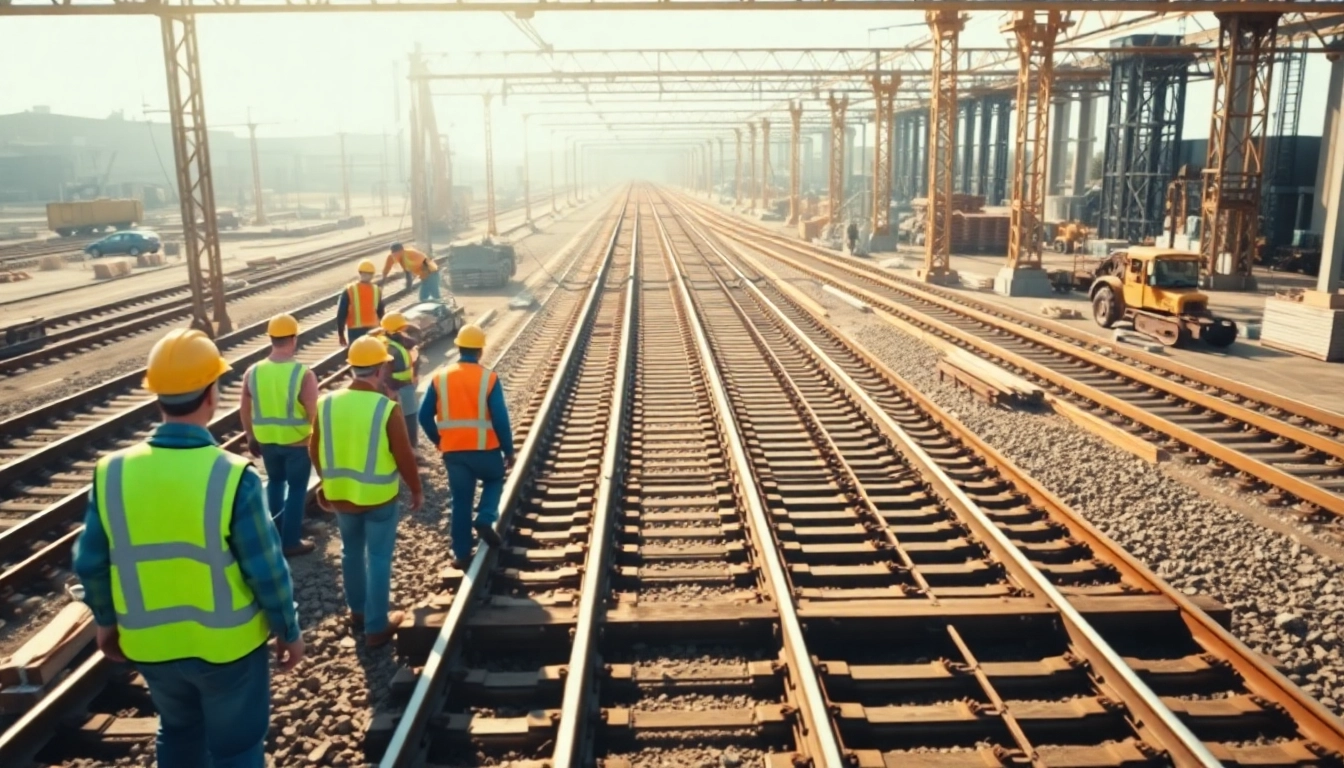
Introduction to Railroad Construction
Railroads have been a pivotal force in shaping economies and communities globally. The importance of Railroad Construction cannot be overstated, as it facilitates efficient transportation of goods and passengers. This article explores the multifaceted world of railroad construction, detailing its processes, challenges, and future trends. Understanding the intricacies of this field equips stakeholders with the knowledge necessary to engage in successful rail projects.
Understanding the Importance of Railroad Construction
In an increasingly interconnected world, the significance of rail transport is growing. Railroads serve as arteries for trade and transport, connecting producers with markets and reducing reliance on less efficient transportation modes. Not only do they enhance economic productivity, but they also offer an environmentally sustainable alternative to road traffic. As urbanization expands, the demand for efficient rail systems continues to surge.
Key Components of Railroad Construction
Railroad construction involves several fundamental components, each crucial for the infrastructure’s overall functionality:
- Tracks: The backbone of any railroad system, ensuring safe and efficient train movement.
- Crossings: Designated areas where roads intersect with rail tracks, essential for safety and operation.
- Stations: Facilities where passengers board and disembark from trains.
- Bridges and Tunnels: Critical for overcoming geographical obstacles and ensuring uninterrupted service.
- Signaling Systems: Technologies that manage train movements and enhance safety.
Overview of the Railroad Construction Process
The railroad construction process is systematic and involves several key phases:
- Planning: Identifying the project’s scope, budgeting, and securing necessary permits.
- Design: Creating engineering designs that meet safety and operational standards.
- Construction: Physical building of the tracks and associated infrastructure.
- Testing and Commissioning: Ensuring the operational integrity and safety of the newly constructed rail system.
Planning Phase of Railroad Construction
Conducting Feasibility Studies for Railroad Construction
Feasibility studies are crucial in the initial phase of railroad construction, providing insights into technical, economic, and legal aspects. Assessing potential routes, expected ridership, and environmental impacts lays a solid foundation for project viability.
Essential Permits and Regulations in Railroad Construction
Navigating the regulatory landscape is essential for smooth project execution. Essential permits often include environmental clearances, land use agreements, and safety regulations that ensure compliance with national and local laws.
Budgeting for Railroad Construction Projects
Accurate budgeting is vital for the success of railroad construction projects. This involves estimating costs related to materials, labor, equipment, and potential overruns. Secure funding sources are equally important; public and private partnerships, grants, and government funding typically support these projects.
Execution Phase of Railroad Construction
Best Practices in Material Selection for Railroad Construction
Choosing the right materials can significantly impact the durability and safety of railroad infrastructure. High-quality steel rail, durable ties, and suitable ballast contribute to a strong foundation. New advancements include using recycled materials that offer both cost-effectiveness and environmental benefits.
Safety Protocols in Railroad Construction Activities
Implementing robust safety protocols is non-negotiable in railroad construction. Regular training sessions, strict adherence to regulations, and using protective gear minimize risks for workers. Safety audits during various construction phases ensure compliance and readiness.
Techniques for Efficient Track Laying in Railroad Construction
Efficient track laying is central to timely project completion. Innovative techniques such as continuous welded rail systems and automated track-laying machines expedite the process and enhance track integrity. These methods reduce labor costs and minimize disruptions during construction.
Challenges in Railroad Construction
Dealing with Environmental Impact in Railroad Construction
Environmental concerns are paramount in railroad construction. Strategies for mitigating negative impacts include soil stabilization, careful route planning to avoid sensitive areas, and implementing erosion control measures. Engaging with local communities also fosters goodwill and encourages cooperation.
Managing Stakeholders during Railroad Construction Projects
Successful railroad construction requires effective stakeholder management. This entails maintaining transparent communication with local governments, communities, and affected parties. Regular updates and forums for feedback can address concerns proactively and improve project outcomes.
Logistics and Transportation Issues in Railroad Construction
Logistics in railroad construction can be complex, with the need to coordinate material deliveries, manage equipment on-site, and apply efficient scheduling methods. Utilizing project management software can streamline these processes, enabling real-time tracking and adjustments.
Future Trends in Railroad Construction
Technology and Innovation in Railroad Construction
Advancements in technology are revolutionizing railroad construction. Drones for surveying, Building Information Modeling (BIM) for design processes, and automated machinery for track laying all enhance efficiency. As AI and IoT become more prevalent, they promise to transform operations further.
Shifts in Industry Standards for Railroad Construction
With the evolving landscape, industry standards also shift. Regulatory bodies continuously update standards related to safety, materials, and environmental practices, ensuring that construction projects remain reliable and sustainable.
How Sustainability is Shaping Railroad Construction
Sustainability is at the forefront of modern railroad construction. This involves using renewable materials, optimizing energy consumption during construction, and enhancing designs to minimize environmental footprints. Sustainable practices not only benefit the environment; they also reduce long-term operational costs.
Frequently Asked Questions
What are the key benefits of railroad construction?
Railroad construction enhances transportation efficiency, stimulates economic growth, reduces highway congestion, and promotes environmental sustainability through reduced emissions.
How do I start a railroad construction project?
Start by conducting feasibility studies, securing financing, obtaining necessary permits, and developing strong project management strategies for successful execution.
What materials are essential for railroad construction?
Essential materials include steel rails, wooden or concrete ties, ballast, and signage systems that collectively support track stability and safety.
What are common challenges in railroad construction?
Common challenges include regulatory hurdles, environmental concerns, logistical complexities, and managing stakeholder expectations effectively throughout the project lifecycle.
How is technology impacting railroad construction methods?
Technology streamlines construction processes, enhances safety, utilizes data analytics for decision-making, and encourages innovations such as automated machinery and better planning tools.