

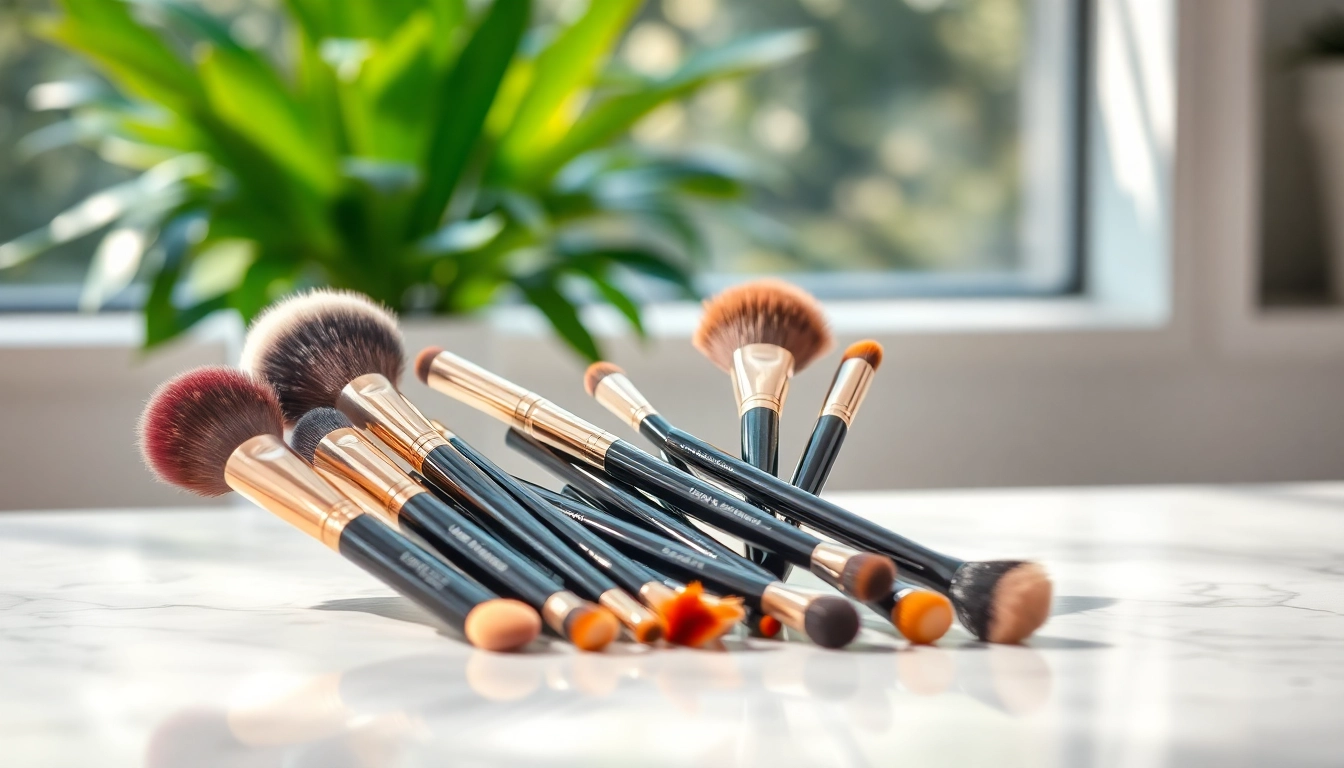
Understanding Makeup Blending Brushes
Makeup application can be an art form, and one of the most vital tools in achieving a flawless look is the makeup blending brush. These brushes are designed to help you apply and blend various makeup products seamlessly, creating a natural appearance that enhances your features. Whether you are a professional makeup artist or a beginner, understanding the different types of makeup blending brushes and how to use them effectively is essential for your beauty toolkit.
Types of Makeup Blending Brushes
Makeup blending brushes come in various shapes, sizes, and materials, each serving a unique purpose. Here are some of the most common types:
- Flat Blending Brushes: Typically used for applying foundation and concealer, these brushes have a flat, dense head that enables smooth application without streaking.
- Fluffy Blending Brushes: Ideal for blending eye shadows, these brushes have soft bristles that diffuse and soften edges, giving you that desired gradient effect.
- Angled Blending Brushes: The slanted design of these brushes makes them perfect for contouring the cheeks and creating sculpted looks.
- Pencil Brushes: With a pointed tip, pencil brushes are excellent for precise makeup application in smaller areas, such as along the lower lash line or in the crease of the eyelid.
- Dual-Ended Brushes: Offering versatility, these brushes combine two different bristle types or shapes, allowing you to switch from blending to detailed work effortlessly.
Choosing the Right Brush for Your Needs
When choosing a makeup blending brush, consider your skin type, the type of product you are using, and the look you wish to achieve. For instance, if you have sensitive skin, opt for brushes made with soft synthetic fibers that minimize irritation. On the other hand, natural bristle brushes often provide a better finish for powders due to their structure and ability to hold product.
Additionally, consider the size of the brush head. Larger brushes are suitable for applying and blending foundation, while smaller brushes are better for intricate eye makeup. Lastly, always test the brush texture and density at a store to determine whether they meet your personal preferences.
How Makeup Blending Brushes Impact Your Application
The right brushes can significantly elevate your makeup game. Quality makeup blending brushes offer better control, allowing for an even application of products. They also blend more effectively, diminishing the visibility of harsh lines and creating a polished look. Furthermore, high-quality brushes can improve the longevity of your makeup, as they help evenly distribute products on the skin, preventing creasing and fading. Using appropriate brushes changes the way products perform and enhance your overall finish, ensuring stunning results every time.
Essential Techniques for Using Makeup Blending Brushes
Mastering the art of blending is crucial for achieving flawless makeup looks. With the right techniques, you can refine your skills and enhance your beauty application.
Step-by-Step Guide to Effective Blending
- Prep Your Skin: Start with a clean, moisturized face. Applying a primer can help create a smooth canvas for your makeup.
- Foundation Application: Use a flat blending brush to apply foundation in sections of your face, starting from the center and blending outward to ensure an even skin tone.
- Apply Concealer: Use a small fluffy brush to apply concealer to areas that need coverage, such as under the eyes or blemishes.
- Blend Eye Shadow: Using a fluffy blending brush, apply your base eyeshadow then use circular motions to blend into the creases, ensuring a seamless transition between colors.
- Contour and Highlight: For contouring, use an angled brush to apply product to the hollows of your cheeks and blend it outward in circular motions. Apply highlight with a flat brush on the high points of your face.
Common Blending Mistakes to Avoid
Even seasoned makeup users can make mistakes when blending their makeup. Here are some common pitfalls to watch out for:
- Using Too Much Product: Applying excessive product can lead to a cakey appearance. Use a light hand and build coverage gradually.
- Neglecting Brush Cleanliness: Dirty brushes harbor bacteria and can lead to skin issues. Regularly clean your brushes to maintain hygiene.
- Not Using the Right Brush: Different brushes serve different purposes. Using the wrong type can lead to subpar blending results.
- Ignoring Skin Prep: Skipping primer or moisturizer can lead to uneven application. Always prepare your skin before applying makeup.
Tips for Achieving a Flawless Finish
To ensure your makeup looks flawless, consider the following tips:
- Use the Right Technique: Practice different blending techniques to discover what works best for you.
- Invest in Quality Brushes: Quality makeup blending brushes make a noticeable difference in application and blending.
- Keep a Light Hand: Always blend with a gentle pressure to avoid disturbing the underlying layers of makeup.
- Layer Products: Instead of applying a thick layer of product, layer lighter applications for a more natural look.
- Utilize Setting Sprays: A good setting spray can help meld your makeup and keep it looking flawless throughout the day.
Cleaning and Maintaining Your Makeup Blending Brushes
To maximize the performance and lifespan of your makeup blending brushes, proper maintenance is essential.
The Importance of Brush Hygiene
Maintaining cleanliness is vital for brush hygiene. Dirty brushes can spread bacteria and lead to skin irritations, clogged pores, and breakouts. Regularly cleaning your brushes is an investment in your skin health as well as the effectiveness of your makeup. It’s generally recommended to clean your brushes at least once a week if used daily.
Best Practices for Cleaning Your Brushes
To clean your brushes effectively, follow these steps:
- Gather Your Supplies: You will need a gentle brush cleanser (or baby shampoo), lukewarm water, and a clean towel.
- Wet the Bristles: Rinse the bristles under lukewarm water, avoiding the ferrule, which can loosen the glue.
- Apply Cleanser: Gently massage a few drops of cleanser into the bristles.
- Rinse Thoroughly: Rinse the bristles under water until it runs clear, again avoiding the ferrule.
- Reshape and Dry: Gently reshape the bristles and lay the brushes flat on a towel to dry. Never stand them upright while wet.
How to Extend the Lifespan of Your Brushes
To ensure your brushes remain in good condition for years to come, consider these tips:
- Store Properly: Keep brushes in a case or holder to prevent bristle damage.
- Use with Care: Avoid pulling or tugging on the bristles during application.
- Avoid Heat: Keep brushes away from high temperatures and direct sunlight to prevent deterioration.
- Replace When Necessary: Pay attention to bristle shedding or changes in texture, which may indicate it’s time for a replacement.
Innovative Uses for Makeup Blending Brushes
Makeup blending brushes offer versatility beyond traditional applications. With a little creativity, you can use them in numerous ways.
Beyond the Face: Creative Applications
Makeup blending brushes can be utilized for more than just face makeup. Consider using them to:
- Apply body highlighter for an all-over glow.
- Blend cream blush on your lips for a matching look.
- Dust setting powder on arms and chest using a large blending brush to ensure an even finish.
Unique Techniques for Eye Makeup
In addition to their standard applications, these brushes can enhance eye makeup artistry. Some creative approaches include:
- Multi-Shadow Blending: Using different brushes for each shade can create a more defined color transition.
- Applying Eyeliner: A small, firm brush can be used to smudge or apply gel eyeliner, enabling more precision.
- Creating Ombre Looks: Using a fluffy brush can help blend multiple shades together for a stunning ombre effect.
Using Brushes for Artistic Looks
Makeup blending brushes can be instrumental for artistic expression. Don’t be afraid to try unconventional looks by using:
- Bright, bold colors to create dramatic effects.
- Textures and techniques such as splattering or layering techniques often seen in artistic makeup.
- Mixed media applications, combining makeup with other mediums for unique designs.
Frequently Asked Questions About Makeup Blending Brushes
How often should I clean my makeup blending brushes?
It’s recommended to clean your brushes at least once a week to maintain hygiene and optimal performance.
Can I use makeup blending brushes for both liquid and powder products?
Yes, many makeup blending brushes are versatile and can be used for both liquid and powder products effectively.
What’s the difference between synthetic and natural bristles?
Synthetic bristles are best for cream products, while natural bristles excel with powders, offering different finishes and applications.
Do I need to spend a lot on high-quality makeup blending brushes?
While high-quality brushes often provide better results, you can find budget-friendly options that work well; invest based on your needs.
How can I tell if my brushes need replacing?
Replace your brushes if you notice shedding, bristle damage, or if they no longer provide the desired application results.