

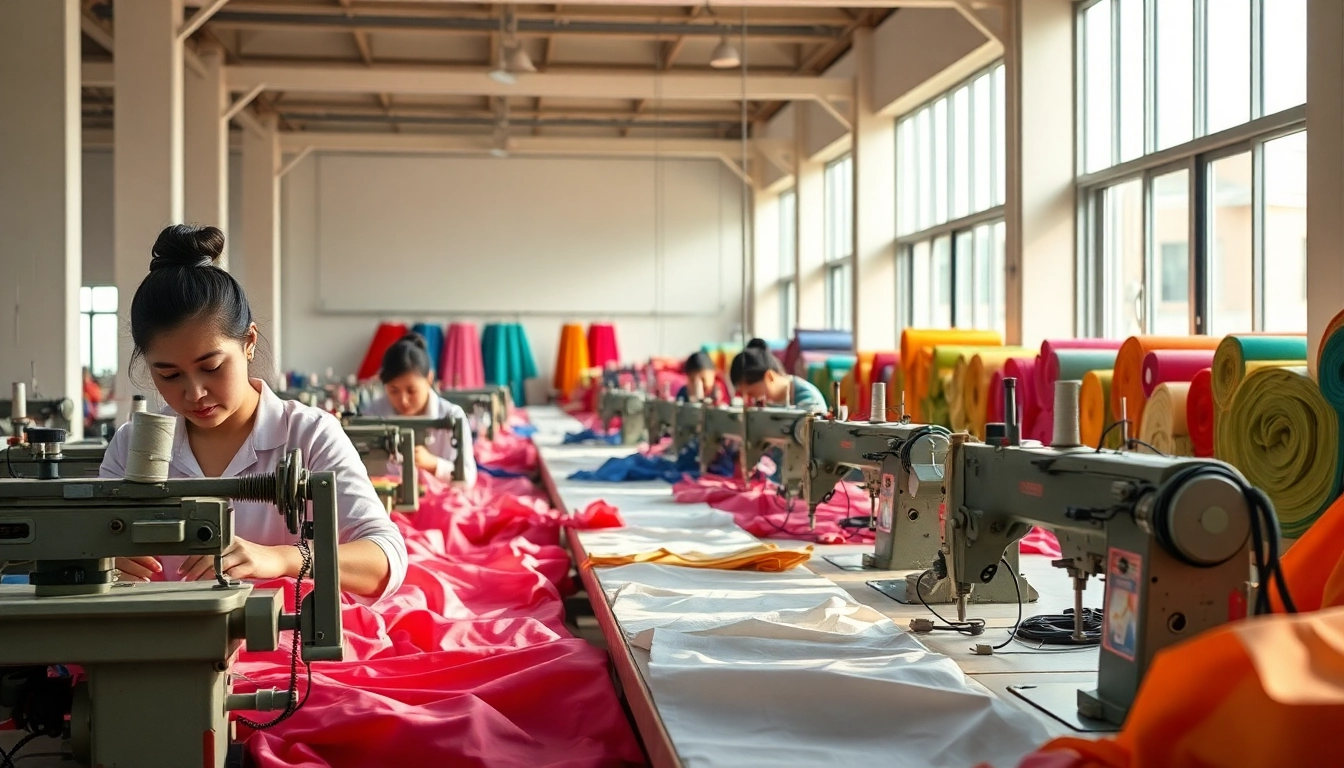
Understanding the Role of Apparel Manufacturers in China
Overview of the Textile Industry
The textile industry is a cornerstone of global trade, and within it, China stands as a titan due to its significant production capabilities. The country dominates the apparel market, specifically in the production of skirts, leveraging advanced technology and an expansive workforce. As buyers seek reliable and high-quality sources, understanding Apparel manufacturers in China becomes crucial.
Key Players in Skirt Production
Several key players drive the skirt production sector within China. These manufacturers vary in size, from large-scale factories employing thousands to smaller workshops focusing on bespoke designs. Collaborations with global fashion brands often shape their operations, giving them insight into emerging trends and consumer preferences. Furthermore, these manufacturers enhance their productivity through strong supply chain relationships, ensuring a steady flow of materials and finished goods.
Impact on Global Fashion Trends
The influence of Chinese apparel manufacturers extends beyond mere production capacity; they are pivotal in shaping global fashion trends. Designers and brands often turn towards these manufacturers to capture styles that reflect current trends, ultimately impacting what consumers wear worldwide. Moreover, the speed of production allows brands to quickly transition from runway to retail, thereby keeping fashion fresh and relevant.
Quality Standards in Skirt Manufacturing
Material Sourcing and Fabric Quality
Quality starts with the materials used in skirt manufacturing. Chinese apparel manufacturers invest in sourcing the finest fabrics, considering not only durability but also comfort and aesthetics. Common materials include polyester, cotton, and blends, each offering unique qualities suitable for various styles and seasons. Manufacturers often engage in rigorous testing of fabric samples to ensure they meet the desired standards for quality and performance.
Ethical Manufacturing Practices
In recent years, there has been a growing demand for ethical manufacturing practices within the apparel industry. Chinese manufacturers are increasingly adopting sustainable practices, such as fair labor conditions, waste reduction, and environmentally friendly materials. Compliance with ethical standards not only enhances a brand’s reputation but also resonates with a more conscious consumer base.
Compliance with Global Standards
To remain competitive, apparel manufacturers in China must comply with a variety of global standards, including safety regulations, environmental guidelines, and labor laws. Certifications such as ISO and OEKO-TEX guide manufacturers in ensuring their products meet international expectations. This attention to compliance not only mitigates risks but also assures buyers of consistent quality and safety across their product lines.
Innovative Techniques Used by Apparel Manufacturers in China
Modern Sewing Technologies
Innovation in sewing technologies has revolutionized skirt manufacturing in China. Automated sewing machines and 3D knitting technologies enable manufacturers to produce complex designs with precision and speed. These advancements lead to reduced labor costs and shorter production cycles, allowing brands to keep pace with fast fashion demands.
Sustainable Production Methods
Sustainability is at the forefront of many manufacturers’ strategies. From using organic fabrics to employing water-saving dye techniques, Chinese apparel manufacturers are making significant strides in reducing their environmental footprint. By investing in eco-friendly production methods, they not only cater to a growing market segment but also contribute positively to environmental sustainability.
Design Innovations in Skirt Styles
With an understanding of global fashion trends, Chinese manufacturers are also focusing on design innovations. They explore new cuts, patterns, and styling techniques that resonate with diverse consumer preferences. By utilizing advanced computer-aided design (CAD) systems, designers can quickly prototype new skirt styles, enabling faster rollouts of trendy collections.
Challenges Faced by Apparel Manufacturers in China
Supply Chain Disruptions
Despite their strengths, apparel manufacturers in China face challenges, particularly regarding supply chain disruptions. Factors such as geopolitical tensions, trade policies, and natural disasters can impact the timely delivery of raw materials and finished products. Manufacturers are now investing in diversified supply chains to enhance resilience and mitigate risks associated with such disruptions.
Environmental Regulations and Compliance
Adhering to stringent environmental regulations remains a challenge for many manufacturers. Compliance with both domestic and international environmental laws requires ongoing investment in sustainable practices. Failure to adapt to these regulations can result in penalties, negatively impacting a manufacturer’s reputation and operational viability.
Competition and Market Dynamics
The competitive landscape for apparel manufacturers in China is intense, with numerous players vying for market share. To maintain competitiveness, manufacturers must continually innovate while managing production costs. Effective marketing strategies that highlight unique offerings and quality can help differentiate manufacturers in a crowded marketplace.
Future Trends in Skirt Manufacturing
Emerging Technologies in Apparel Production
The future of skirt manufacturing is poised for transformation through emerging technologies. Smart manufacturing, leveraging the Internet of Things (IoT) and artificial intelligence (AI), provides manufacturers with insights to optimize production processes. These technologies can enhance quality control, reduce waste, and enable greater customization for consumers.
Consumer Preferences Shaping the Industry
As consumer preferences evolve, so too must manufacturing strategies. Today’s consumers are more informed and value transparency in the supply chain. There is a growing demand for personalized shopping experiences and products that align with personal values, including sustainability and ethical practices. Manufacturers who adapt to these changing preferences will likely sustain their competitive edge.
Predictions for the Future of Skirt Manufacturing
The future of skirt manufacturing looks promising, driven by technological advancements and shifting consumer expectations. We can anticipate a trend towards more personalized and sustainable products, with manufacturers harnessing data to tailor offerings to specific consumer desires. Collaborative design processes involving consumers in the development stage could also become more prevalent, ensuring that the final product meets market demands.
Frequently Asked Questions
1. What materials are commonly used in skirt manufacturing?
Common materials include polyester, cotton, and various blends, each chosen for their durability, comfort, and aesthetic appeal.
2. How do manufacturers ensure ethical practices?
Manufacturers adopt fair labor policies, sustainable sourcing of materials, and comply with international labor standards to ensure ethical practices.
3. What are the benefits of sustainable production methods?
Sustainable methods reduce environmental impact, increase efficiency, and appeal to environmentally conscious consumers, enhancing brand loyalty.
4. How do supply chain disruptions affect production?
Disruptions can delay material supply and production timeliness, leading to stock shortages and increased costs, harming business stability.
5. What future trends are expected in skirt manufacturing?
Emerging technologies, sustainable practices, and personalization of products are expected to shape the future landscape of skirt manufacturing.