Understanding On-Site Hydraulic Repair
What is On-Site Hydraulic Repair?
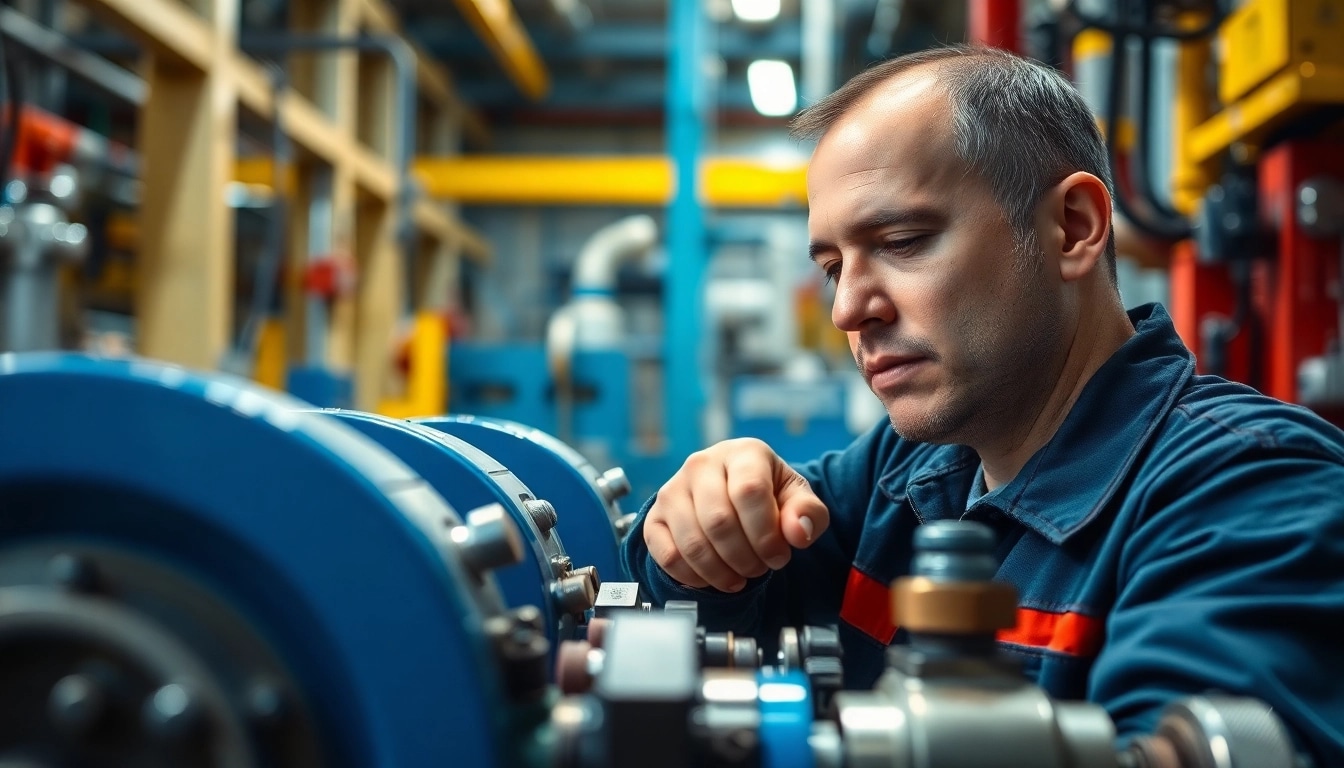
On-site hydraulic repair refers to the process of diagnosing and fixing hydraulic system issues directly at a client's location. This service is crucial for minimizing downtime in various industries, including construction, manufacturing, and agriculture, where equipment failure can lead to costly delays. By providing experienced technicians who come equipped with the necessary tools and parts, on-site hydraulic repair aims to restore equipment functionality without transportation logistics. This allows for immediate support and can often lead to faster resolutions of complex issues that might otherwise require extended time off-site.
Common Uses of On-Site Hydraulic Repair
On-site hydraulic repair is leveraged across various sectors due to its flexibility and efficiency. Some common applications include:
- Construction Equipment: Hydraulic excavators, cranes, and bulldozers often require on-site repairs to ensure projects stay on schedule.
- Agricultural Machinery: Tractors and harvesters frequently benefit from immediate hydraulic adjustments, particularly during critical planting or harvesting seasons.
- Manufacturing Plants: Production lines use hydraulic equipment, where downtime can significantly impact output; thus, on-site repairs help maintain production flow.
- Mining Operations: Heavy machinery in mining requires reliable hydraulic systems which can be repaired on-site to prevent operational delays.
Benefits of On-Site Hydraulic Repair Services
The benefits of opting for on-site hydraulic repair services are numerous:
- Reduced Downtime: Immediate access to repair professionals significantly cuts the time machinery is out of service.
- Cost-Effective: Transport costs associated with shipping equipment to a repair facility are eliminated.
- Expertise on Location: Skilled technicians can better assess environmental factors that may be affecting machinery performance.
- Safety Enhancements: On-site services can mitigate safety risks that come with transporting heavy machinery.
- Flexibility: Services are tailored to the specific needs of the operational site, creating customized solutions.
Key Components of Hydraulic Systems
Hydraulic Fluids and Their Importance
Hydraulic fluids offer essential functions in hydraulic systems, acting not just as a power-transmission medium but also as a lubricant and heat transfer agent. Typically, hydraulic fluids can be water-based or oil-based, with oil-based fluids offering better lubrication properties and thermal stability. The right fluid enhances system performance, longevity, and safety, making its selection and maintenance crucial for efficient hydraulic operation.
Essential Hydraulic Components Explained
A variety of components work together within a hydraulic system, including:
- Pumps: They generate the flow of hydraulic fluid by converting mechanical energy into hydraulic energy.
- Actuators: These devices, whether cylinders or motors, convert hydraulic energy back into mechanical energy to perform work.
- Valves: Control the flow and direction of hydraulic fluid within the system, essential for efficient operation.
- Filters: Protect the hydraulic system from contaminants that could damage sensitive components.
- Reservoirs: Store hydraulic fluid, ensuring the system has a dedicated supply while allowing for expansion and contraction.
Identifying Common Hydraulic Issues
Common problems in hydraulic systems can manifest as decreased performance, noise, overheating, or leakage. Identifying these issues early can prevent costly damages. For example:
- Fluid Leaks: Often visible around fittings and seals, leaks can lead to inadequate fluid levels and system failure.
- Overheating: This can occur due to dirty filters, lack of fluid, or system inefficiencies, potentially damaging components.
- Noisy Operation: Unusual sounds can indicate air in the system or failing components, warranting immediate inspection.
Steps for an Efficient On-Site Hydraulic Repair
Assessment of Hydraulic Systems
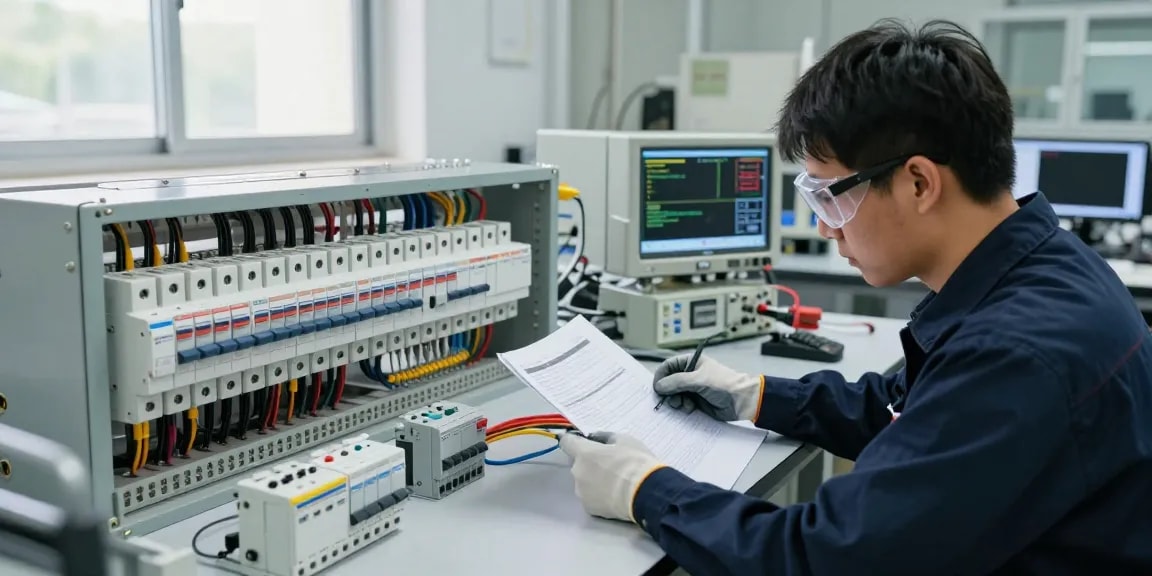
The first step towards effective on-site hydraulic repair is a comprehensive assessment of the hydraulic systems at hand. Skilled technicians should thoroughly inspect the machinery, identifying any visible leaks, worn-out components, and operational inefficiencies. Using diagnostic tools, they can assess fluid condition and pressure levels, which are critical indicators of a hydraulic system's health. This step is vital for formulating a targeted repair plan.
Implementing Repair Solutions
Once the assessment is complete, the next phase is implementing the necessary repair solutions. Depending on the identified issues, this may involve replacing worn components, cleaning filters, refilling or changing fluids, and even adjusting system settings. Technicians must ensure that the repaired components meet the manufacturer's specifications and perform tests to verify correct installation. Communication with the equipment operator is essential during this phase to align repair efforts with operational needs.
Testing Post-Repair Performance
After completing repairs, thorough testing is imperative to ensure that issues have been resolved. Technicians should monitor the hydraulic system's performance under various load conditions and check for seamless operation. This step often involves observing pressure levels, listening for abnormal noises, and ensuring that temperature remains stable during operation. Effective post-repair inspections help guarantee that operations can continue without interruptions.
Preventative Maintenance for Hydraulic Systems
Developing a Maintenance Schedule
Implementing a well-planned maintenance schedule is key to maximizing the lifespan and efficiency of hydraulic systems. This involves setting a routine for regular inspections, fluid changes, and part replacements based on operational hours or specific application requirements. A proactive approach not only reduces the chance of breakdowns but also streamlines budgeting for maintenance-related expenses.
Signs Indicating Need for Maintenance
Operators should remain vigilant for key signs indicating that maintenance is necessary. These might include:
- Decreased performance or responsiveness of machinery
- Visible fluid leaks around components
- Unusual noises during operation
- Frequent overheating or change in operating temperature
- Poor fluid condition, such as discoloration or particulates visible in the fluid
Cost Benefits of Preventative Maintenance
Investing in preventative maintenance yields substantial cost benefits over time. By reducing the occurrence of major repairs and extending equipment life, organizations can achieve significant savings. Moreover, consistent maintenance minimizes unexpected breakdowns, which often translate into costly project delays and downtime. Ultimately, a well-maintained hydraulic system contributes to smoother operations and better profit margins.
Future Trends in Hydraulic Repair Services
Technological Advancements in Hydraulics
The hydraulic industry is constantly evolving, with advancements in technology leading to improved performance, efficiency, and reliability. Innovations such as smart sensors and IoT applications enable real-time monitoring of hydraulic systems, allowing for predictive maintenance and instant alerts in case of potential issues. By adopting these technologies, operators can take proactive approaches to maintenance and repairs.
Eco-Friendly Hydraulic Solutions
As environmental concerns grow, the hydraulic industry is expanding its focus on eco-friendly solutions. This includes the development of biodegradable hydraulic fluids and components designed for easy recycling. Moreover, companies are increasingly seeking to implement energy-efficient systems that reduce overall hydraulic power consumption, thus contributing to more sustainable operations.
Adapting to Industry Changes
In a rapidly changing environment, hydraulic repair services must adapt to industry trends and customer needs. This includes offering remote diagnostics, providing mobile repairs, and developing partnerships with technology providers to enhance service offerings. By remaining flexible and responsive to market shifts, businesses can maintain a competitive edge and better serve their clients.
FAQs About On-Site Hydraulic Repair
What should I do if my hydraulic system is leaking?
If you notice a leak, it’s important to inspect the area for visible signs and contact a professional to assess the situation. Immediate attention can prevent further damage and operational downtime.
How often should I schedule maintenance for my hydraulic systems?
Regular maintenance should be scheduled based on operational hours, usually every 250-500 hours of usage, or annually for less-intensive operations to ensure optimal performance.
Can on-site hydraulic repair services address all types of equipment?
Yes, experienced technicians can repair various hydraulic systems across multiple industries, including construction, agriculture, and manufacturing machinery.
What are the advantages of on-site repair over returning equipment to the shop?
On-site repairs minimize downtime, eliminate transportation costs, and provide immediate support tailored to your operational needs, enhancing efficiency and productivity.
How can I ensure the longevity of my hydraulic system?
Regular maintenance, quality hydraulic fluids, and immediate attention to any issues are crucial for ensuring the longevity and reliability of your hydraulic system.