Introduction to Our Children's Vision
Vision health is a critical component of overall child well-being, yet millions of children worldwide face undiagnosed vision impairments that can hinder their development. In an effort to address this issue, initiatives like Our Children's Vision strive to increase access to eye care services for children globally. Understanding the urgency of addressing children's vision health is paramount, particularly when we consider the long-lasting implications on their education, social interaction, and quality of life.
Overview of Vision Health in Children
Vision plays a vital role in a child's ability to learn and interact with their environment. An estimated 1 in 4 children suffers from a vision problem significant enough to impede academic performance. Conducting regular vision screenings and providing access to eye care are essential steps toward early detection and treatment. According to recent studies, children with uncorrected vision problems are more likely to experience difficulties in school and less likely to participate in sports and recreational activities.
Common Eye Issues in Childhood
Among the range of vision problems that children face, several are particularly common:
- Myopia (Nearsightedness): A condition where close objects are seen clearly, but distant objects appear blurry.
- Hyperopia (Farsightedness): This condition causes difficulty focusing on nearby objects while distant objects may be seen more clearly.
- Astigmatism: Blurred vision caused by an irregularly shaped cornea or lens, affecting the eye's ability to focus light.
- Amblyopia (Lazy Eye): A condition where one eye does not develop proper vision, leading to reduced sight despite normal eye health.
- Strabismus (Crossed Eyes): A misalignment of the eyes, which can cause problems with depth perception and reading.
Early detection of these issues is crucial; many can be corrected with appropriate interventions if identified in a timely manner.
Importance of Eye Screening
Regular eye screenings are key to ensuring children receive the necessary eye care. The American Academy of Pediatrics recommends that all children have their eyes examined by the age of 1, again at age 3, and then before they enter school at around age 5. Early screening helps identify potential issues and ensures that children can see well as they enter their formative schooling years. The responsibility for vision health lies not just with pediatricians and eye care professionals but also extends to parents and educators.
Challenges in Accessing Eye Care
Barriers to Eye Care Services
Despite the critical need for pediatric eye care, significant barriers exist that prevent children from receiving proper treatment. These barriers include:
- Financial Constraints: Many families cannot afford eye care due to high costs associated with exams and eyeglasses.
- Geographical Limitations: In rural or underserved urban areas, access to qualified eye care professionals can be limited.
- Lack of Awareness: Parents may not be aware of the importance of vision screenings or how to obtain services.
- Transportation Issues: For some families, getting to appointments can be a logistical challenge, especially for those without reliable transportation.
Impact of Socioeconomic Factors
The socioeconomic status of families has a direct impact on children's health care access, including eye care. Children from lower-income households are at a higher risk for vision problems due to various factors, including limited access to healthcare and educational resources. Furthermore, these children often face a higher incidence of health issues and malnutrition, which can also affect eye health. Addressing these disparities through community support and awareness programs is essential for improving children's vision health outcomes.
Cultural Attitudes Towards Eye Health
Cultural beliefs and attitudes can significantly influence practices related to eye health. In some communities, there may be stigma surrounding the use of glasses or a belief that vision problems are not significant enough to warrant treatment. Understanding and addressing these cultural perceptions is crucial for effective outreach and education. Grassroots campaigns that respect cultural values while emphasizing the importance of eye care can help change perceptions and encourage families to seek necessary medical attention.
Understanding the Eye Care Process
What to Expect During an Eye Exam
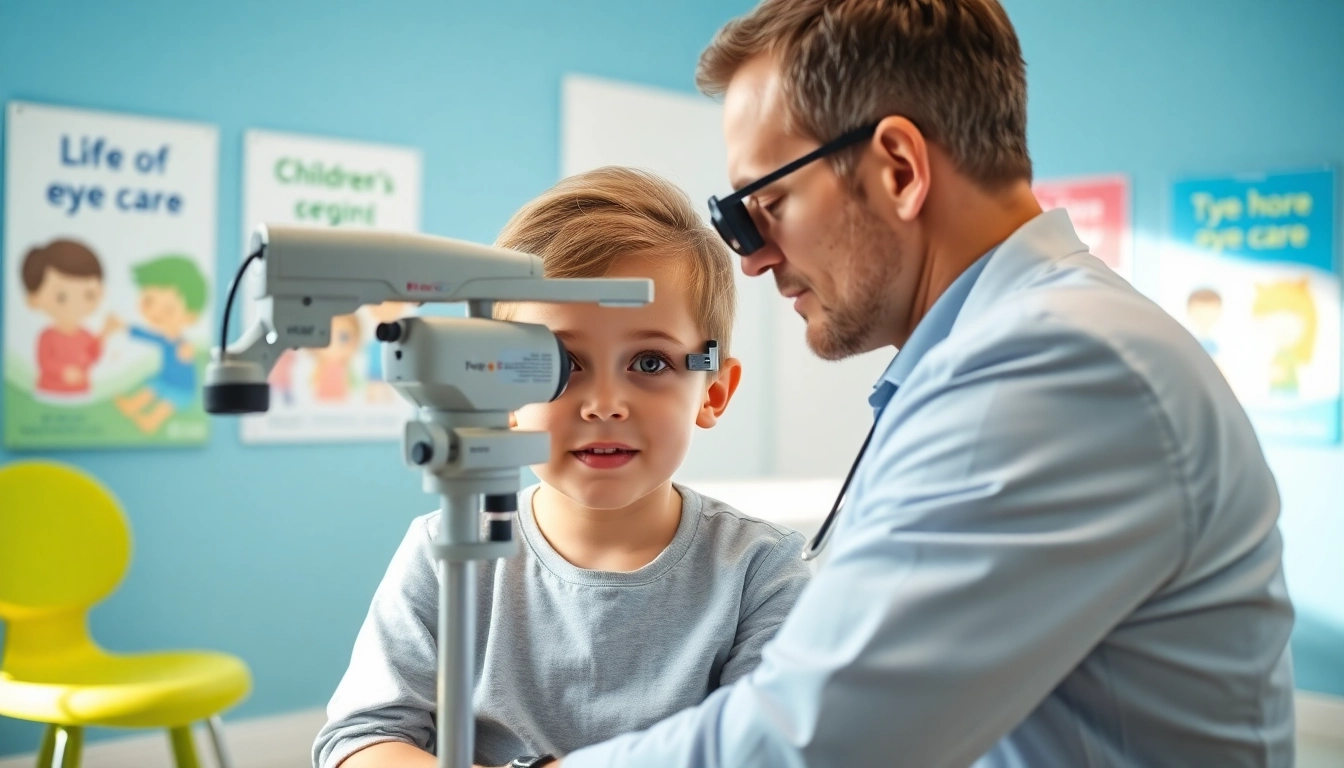
For many parents, taking their child for their first eye exam can be a daunting experience. However, understanding what to expect can ease anxieties. A typical eye exam will include the following components:
- Visual Acuity Test: This common test checks how well a child sees at various distances.
- Refraction Assessment: Involves using lenses to determine the prescription for glasses, if needed.
- Eye Health Evaluation: The doctor will examine the eyes for potential diseases and conditions using specialized instruments.
- Binocular Vision Assessment: Tests how the eyes work together, which is essential for depth perception and coordination.
Parents and caregivers should ask questions if they are unsure about any aspect of the examination process to help ease the child’s anxiety.
Different Types of Eye Tests for Kids
Child-specific eye tests can help diagnose various vision issues effectively. Some commonly used tests include:
- Snellen Chart: A vision chart that helps determine visual acuity for distance. Children read letters from the chart positioned at a certain distance.
- Photoscreening: A quick test that uses a special camera to assess children’s risk for vision problems without requiring them to cooperate as much as traditional tests.
- Optical Coherence Tomography (OCT): A non-invasive imaging test that provides cross-section images of the retina, offering insights into eye health.
Understanding these tests prepares parents and children for what to expect, fostering a more comfortable experience at the clinic.
Follow-Up and Treatment Plans
After an eye examination, the eye care professional will discuss the results with parents and recommend any necessary treatment options or follow-up care. Treatment might include:
- Glasses or Contact Lenses: Most vision problems are easily correctable with appropriate eyewear.
- Vision Therapy: For issues like amblyopia or strabismus, specialized exercises may be prescribed.
- Regular Monitoring: In some cases, especially with progressive conditions, regular eye exams will be necessary to track changes in vision and adjust treatments accordingly.
Ensuring adherence to follow-up care is essential for maintaining optimal eye health and catching any potential issues early on.
Raising Awareness about Our Children's Vision
Community Initiatives for Eye Health
Various organizations and community initiatives focus on enhancing awareness of children's eye health. These initiatives range from local health fairs that provide free eye screenings to educational workshops that teach parents about the importance of eye care. Collaborations with schools can also amplify these messages, integrating vision health into comprehensive health education. By actively participating in community initiatives, parents and educators can promote a collective understanding of children's vision health needs.
How Parents Can Advocate for Eye Care
Parents are vital advocates for their children's vision health. Here are several ways they can actively promote eye care:
- Scheduling Regular Eye Exams: This is the first step in monitoring a child’s vision health.
- Educating Themselves: Understanding common vision issues allows parents to recognize symptoms and seek help early.
- Community Engagement: Getting involved in local health initiatives can increase awareness and provide resources for families.
A strong parent advocate can play an essential role in ensuring that all children receive necessary eye care services within their communities.
Educational Campaigns and Resources
Educational campaigns focused on children's vision health can provide valuable resources to families. Online platforms, brochures, and workshops can offer essential information about the significance of eye care and how to recognize potential vision problems. Resources that are culturally and linguistically appropriate can further enhance understanding and responsiveness within diverse communities.
Future Directions for Pediatric Eye Health
Innovations in Eye Care Technology
The future of pediatric eye health will significantly benefit from technological advances in diagnostics and treatment. Innovations such as tele-optometry allow remote consultations, making eye care more accessible. Moreover, advancements in imaging techniques provide more precise diagnoses and treatment plans. Future tools may include wearable technology that continuously monitors children's visual health, adapting treatments in real-time to ensure optimal care.
Research and Studies on Children's Vision
Continuous research is essential for understanding the complexities of childhood vision issues. Ongoing studies focus on genetic markers for eye diseases, the impact of digital screen use on vision, and strategies for improving early detection. By investing in research, the field can develop evidence-based strategies to minimize the incidence of vision impairment in children, allowing for a stronger foundation for their educational and social development.
Potential Policy Changes to Improve Access
Legislative efforts aimed at improving access to pediatric eye care can have far-reaching impacts. Policies that promote funding for eye care programs, bolster school-based eye screening initiatives, and expand insurance coverage for eye health services are critical. Advocating for changes to existing health policies facilitates an inclusive approach to healthcare that prioritizes children's vision health and seeks equitable access for all families.
Understanding the importance of vision health in children leads to proactive measures that can prevent long-term consequences. Collaborative efforts from communities, educational institutions, and healthcare providers are key to ensuring that every child has the potential for a healthy future.