

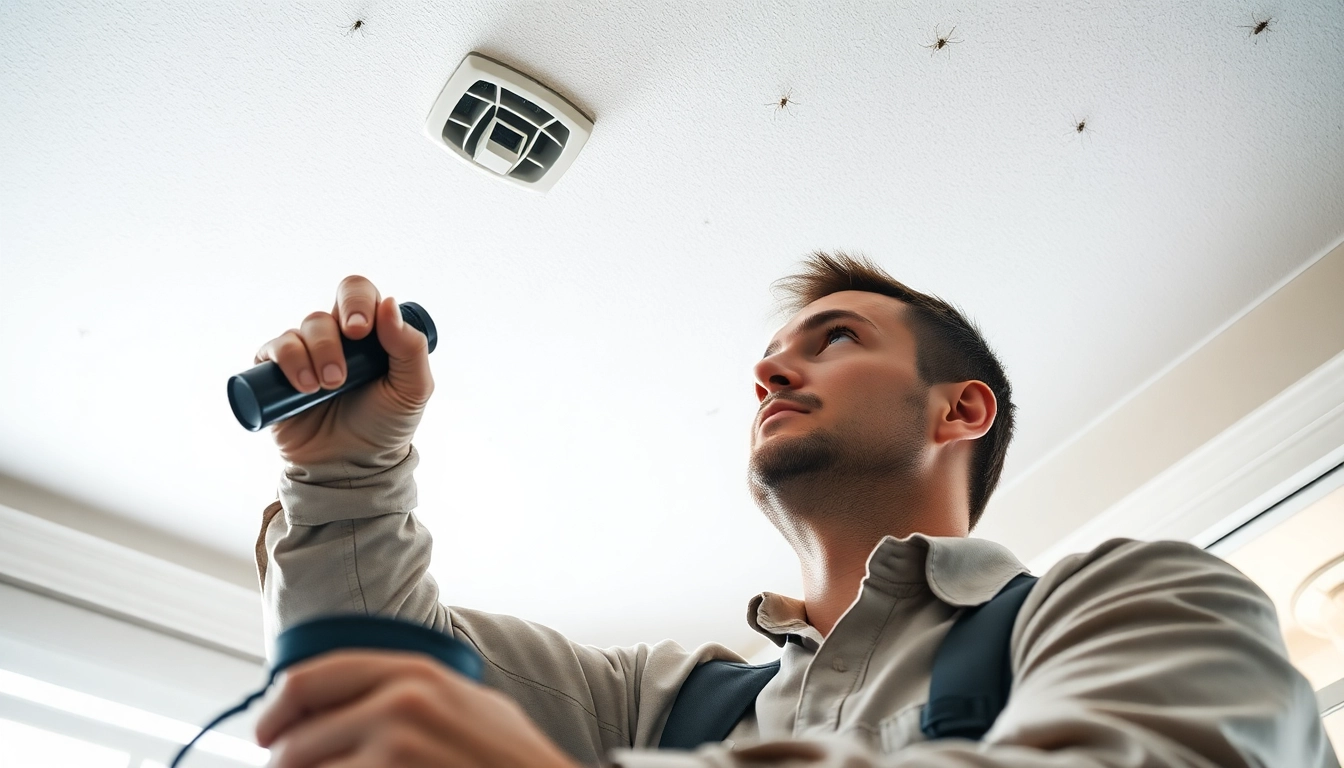
Understanding Ceiling Insect Infestation
Ceiling insect infestation can pose a serious threat to the comfort and safety of your home. These unwelcome guests often remain unnoticed, breeding in the hidden spaces of your ceilings. Identifying the signs of an infestation and understanding the types of insects involved is crucial for effective management. Proper knowledge can empower homeowners to take proactive steps in controlling and preventing these pests. Let’s delve into the world of ceiling insect infestation to help you combat this issue effectively and maintain a healthy living environment.
Common Types of Insects Found in Ceilings
Various types of insects may inhabit your ceiling space, each presenting unique challenges and requiring tailored treatment strategies. Here’s a detailed look at the most common culprits:
- Ants: Certain ant species, such as carpenter ants, are notorious for boring into wood and can damage the structural integrity of a home.
- Termites: While they primarily target wooden structures, termites can also invade ceilings if they find a suitable damp environment.
- Wasps: Many species build nests in attics and ceiling spaces, documenting the need for swift removal due to their aggressive behavior.
- Mice: Although not insects, mice can create infestations in ceilings by nesting there and leaving droppings.
- Flies and Beetles: Certain flies and beetles may be attracted to the warm, humid environments that ceilings can provide.
Signs of Ceiling Insect Infestation
Detecting ceiling insect infestation early is vital in mitigating damage and distress. Look out for the following signs:
- Visible nests or webs in the corners of the ceiling.
- Droppings or remnants left behind by insects, which may vary in size depending on the species.
- Sounds of movement in the ceiling, indicative of nests or feeding.
- Damaged wood or insulation that may suggest an invasion of wood-boring insects like termites or carpenter ants.
- Increased sightings of insects in living areas, indicating that the population is spreading.
Potential Causes of Infestation
Understanding what causes ceiling insect infestations can help homeowners implement effective prevention tactics. Some common factors include:
- Moisture: Insects thrive in damp conditions. Leaks or poor ventilation can create perfect breeding grounds.
- Food Sources: Residual food particles in kitchens, attics, or near windows can attract insects.
- Cracks and Openings: Small gaps around vents, pipes, or roofing can serve as entry points for insects.
- Poor Maintenance: Neglected areas such as attics can become ideal homes for pests.
Prevention Techniques for Ceiling Insect Infestation
Several strategies can effectively reduce the risk of ceiling insect infestations. Implementing preventative measures is far easier and less costly than dealing with an active infestation.
Regular Maintenance Tips
Routine maintenance is critical in avoiding ceiling insect infestations. Here are some best practices to follow:
- Regularly inspect your ceilings for any signs of damage or infestation.
- Keep attics and ceilings clean and free from clutter, providing fewer hiding spaces for insects.
- Ensure proper ventilation to reduce moisture accumulation, which attracts pests.
- Check for leaks in roofs or pipes and repair promptly to avoid damp conditions.
Utilizing Insect Prevention Products
Various insect prevention products can help shield your home from unwanted intruders:
- Pest Sprays: Utilize insecticides specifically designed for ceiling applications; always follow the manufacturer’s instructions.
- Traps: Sticky traps can effectively catch a variety of insects and provide insights into their presence.
- Granules: Insecticidal granules can be applied around the foundation and entry points of your home.
Importance of Sealing Entry Points
Sealing potential entry points is one of the most effective methods to prevent ceiling insect infestation:
- Inspect roofing materials and replace damaged sections to prevent insect access.
- Seal gaps around pipes and wires that enter your home.
- Utilize caulking or foam sealants to close off small cracks in walls or ceilings.
Effective Treatment Options
If an infestation occurs despite your prevention efforts, it’s time to consider treatment options. Understanding the available methods is crucial for achieving effective control.
DIY Remedies for Ceiling Insect Infestation
For minor infestations, many homeowners choose DIY remedies. Here are a few options:
- Essential Oils: Natural insect repellents like peppermint or tea tree oil can deter various insects when mixed with water and sprayed in infested areas.
- Soap and Water: A gentle mixture can suffocate some soft-bodied insects that may be hiding in your ceiling.
- Boric Acid: This natural compound can be effective against insects when strategically placed in infested areas.
When to Call Professionals
While DIY solutions can tackle minor issues, sometimes professional intervention is necessary:
- When the infestation is widespread, and numbers are beyond control.
- If there is a risk of structural damage, particularly with wood-destroying insects like termites.
- When dealing with aggressive insects such as wasps, where safety is a concern.
Long-term Solutions and Monitoring
After treatment, implementing long-term solutions can reduce the recurrence of infestations:
- Schedule regular inspections and treatments to maintain a pest-free environment.
- Install screens on vents and openings to reduce entry chances.
- Monitor moisture levels in attics and ceilings with a hygrometer.
Impact of Ceiling Insect Infestation on Home Value
Ceiling insect infestations can adversely affect the value of your home, leading to potential future complications. Recognizing this impact underscores the importance of timely intervention and prevention.
Health Risks Associated with Infestation
Insects can pose significant health risks to residents. They may carry pathogens and allergens that lead to respiratory issues or other health problems, making it vital to eliminate infestations quickly.
Signs of Structural Damage
Insect infestations, particularly by termites and carpenter ants, can lead to severe structural issues:
- Soft or crumbling wood indicates extensive damage that may require costly repairs.
- Visible tunnels or channels in wood structures reveal the presence of wood-boring insects.
Restoration After Treatment
Following treatment, restoring your home to optimal conditions is essential:
- Repair any structural damage caused by insects to maintain safety and integrity.
- Consider replacing insulation, as it may have been contaminated.
- Regularly monitor the areas for signs of new infestations and take action if noticed.
FAQs about Ceiling Insect Infestation
How can I identify ceiling insect infestation early?
Look for signs like droppings, nests, or damage to ceiling structures. Unusual sounds may also indicate movement from insects.
What are the most common insects found in ceilings?
Common offenders include ants, termites, wasps, and house flies. Each poses various risks to your home and health.
Are there natural methods to prevent insects in ceilings?
Utilizing essential oils, maintaining cleanliness, and sealing openings can provide natural deterrents against ceiling insects.
How do I choose a professional pest control service?
Look for licensed, insured professionals with solid reviews and comprehensive service options tailored to your specific needs.
What should I do after treatment for ceiling insect infestation?
Repair any damage and maintain a cleanliness routine. Monitor regularly for new signs of infestation or moisture issues.
For more information on tackling a ceiling insect infestation, it’s crucial to remain proactive and vigilant. Staying informed plays a pivotal role in safeguarding your home from these unwelcome pests.