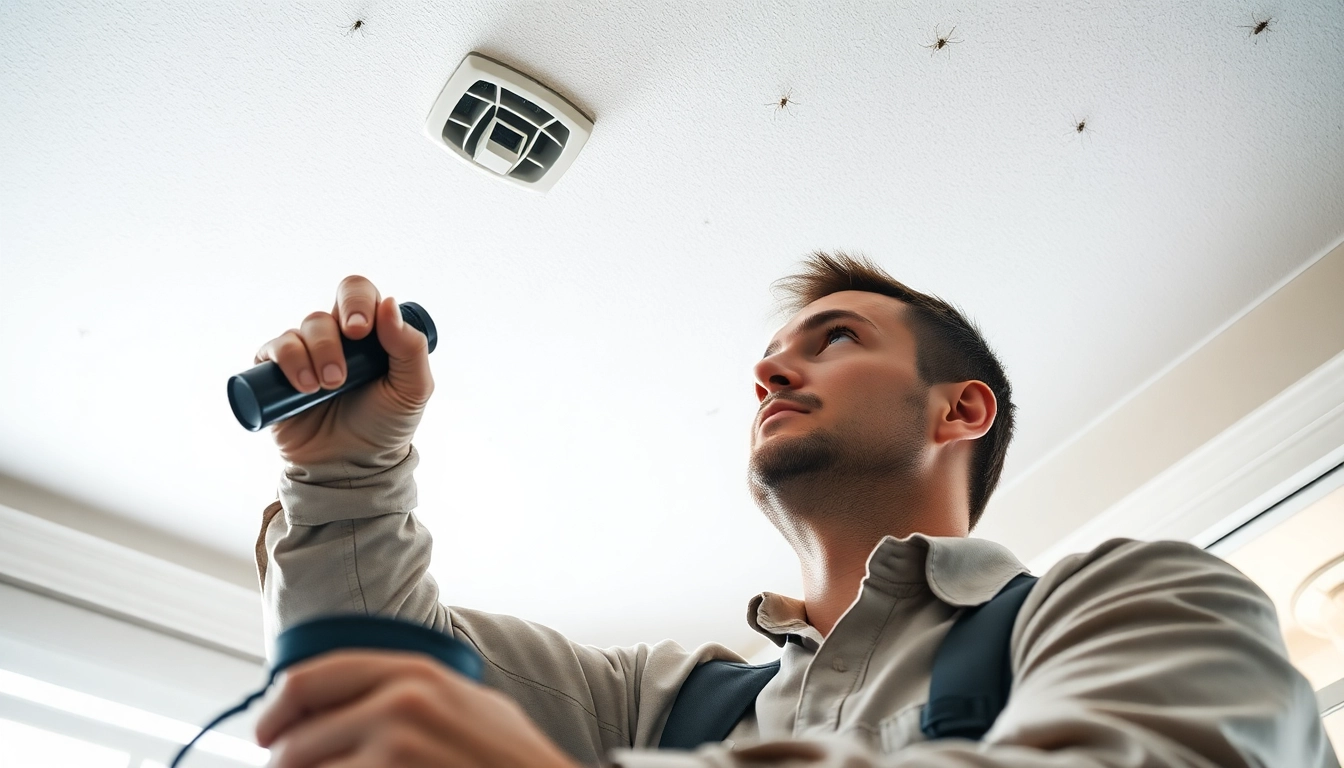


Understanding Common Basement Pests
Basements can be a haven for various pests due to their often dark and damp environments. When left unchecked, these critters can quickly turn a safe space into a nightmare. Understanding what these pests are is the first crucial step in effective basement bug removal.
Identifying Insects and Bugs
Common basement invaders include cockroaches, spiders, ants, and silverfish. Cockroaches thrive in damp areas and are often associated with unsanitary conditions. Spiders, while generally harmless, can be unsettling and contribute to the feeling of an unkempt space. Ants can enter in search of food, while silverfish prefer darker, moist habitats and can damage books and paper goods.
In addition to these, other pests like termites, centipedes, and even rodents can also invade basements. Being able to identify these invaders accurately is essential. Observing their physical traits (like size, color, and specific markings) helps in determining the best course of action for pest control.
Health Risks Associated with Pests
The presence of pests in your basement not only poses a threat to the structural integrity of your home but also can have serious health implications. Rodents can carry diseases such as hantavirus and salmonella, while cockroaches can trigger asthma and allergic reactions in sensitive individuals. Additionally, some spiders can inflict venomous bites, leading to further complications.
Moreover, the droppings from pests can contribute to poor air quality, exacerbating respiratory issues. Understanding these health risks underscores the importance of addressing pest issues promptly and thoroughly.
The Importance of Pest Prevention
Preventing pests from infesting your basement is far more effective than dealing with an active infestation. Regular inspections, sealing entry points, and maintaining optimal humidity levels are important steps in prevention. Natural deterrents like essential oils and vinegar can also help keep bugs at bay without resorting to harsh chemicals.
By fostering an environment that’s less appealing to pests, you significantly reduce the likelihood of future infestations, saving you time, money, and stress in the long run.
Methods for Basement Bug Removal
Once pests have invaded, it is vital to act swiftly and efficiently to remove them. Understanding the varieties of techniques available for basement bug removal is essential for effective management.
DIY Solutions for Minor Infestations
For minor infestations, several DIY options can be effective. Using a combination of boric acid, diatomaceous earth, or even homemade traps can help eliminate bugs. Seal any cracks and gaps in the walls and around windows to limit their entry. Keeping your basement tidy and free of clutter also reduces hiding places for pests.
Essential oils like peppermint or tea tree oil can act as natural repellents. Mixing these oils with water and spraying them around the basement can deter pests without introducing harmful chemicals into your home.
When to Call a Professional
While DIY solutions can address smaller issues, there are instances where professional intervention is necessary. If you notice large infestations, persistent problems despite your efforts, or the presence of potentially dangerous pests like termites or venomous spiders, it’s time to call in the experts. Professionals have access to advanced tools and knowledge, ensuring effective pest control solutions tailored to your specific needs.
Types of Effective Pest Control Products
There are numerous pest control products available on the market, ranging from sprays and traps to natural solutions. Chemical insecticides can provide quick results, but they also come with potential health risks and environmental concerns. Conversely, organic options like neem oil or insecticidal soap can be effective against a variety of pests while posing minimal risks to health and the environment.
It’s crucial to select appropriate products based on the types of pests you are dealing with and always follow the manufacturer’s instructions to ensure safe and effective use.
Preventive Measures for Your Basement
Once the current problem is resolved, it’s time to implement preventive measures that will help keep pests out for good.
Sealing Entrances and Cracks
One of the key preventive measures is sealing all potential entry points. Use caulking or weather stripping to close gaps around windows, doors, and foundation cracks. This not only reduces the chances of pests invading but also improves energy efficiency in your home.
Inspect vents and any plumbing entry points as well, ensuring they are properly sealed and protected. Remember, even the smallest crack can become an entryway for insects.
Maintaining a Clean Environment
A clean basement is far less inviting to pests. Regularly inspect and clean your basement, removing any food sources or clutter that can attract insects. Proper food storage is vital—store dry goods in airtight containers and ensure trash is disposed of promptly.
Consider using a dehumidifier to maintain an appropriate moisture level, reducing the risk of pests that thrive in damp conditions.
Using Deterrents Safely
Utilizing natural deterrents can be an effective addition to your pest prevention strategy. Items like cedar chips or lavender sachets can repel moths and other insects. When using chemical repellents, ensure proper ventilation and apply them according to the safety guidelines to protect your home environment and family.
Regular pest maintenance, including reapplication of deterrents, can help keep the pests at bay.
Best Practices for Long-Term Pest Management
Creating a long-term pest management strategy is essential for maintaining a pest-free basement over time.
Regular Inspections and Maintenance
Implement a schedule for regular inspections of your basement, checking for signs of pests or potential vulnerabilities. Early detection is key for effective pest control and reduces the risk of larger infestations. Include checks for moisture build-up, leaks, or cracks in your roofing.
Maintaining pipes and ensuring proper drainage also helps avoid water accumulation that can attract pests.
Monitoring for Signs of Recurrence
Be vigilant for any signs of returning pests. This may include droppings, shed skins, or nests. If any signs are observed, act quickly. Consider setting up traps to monitor pest activity even when a problem isn’t immediately visible, allowing you to keep track of any movements and intervene before an infestation takes hold.
Collaborating with Pest Control Experts
Engaging with pest control professionals can provide insights into effective long-term strategies tailored to your specific needs. These experts can offer valuable advice on preventative measures based on the type of pests common in your region. Regular consultations can help adapt your strategy to ensure continued effectiveness.
Building a partnership with professionals can also involve routine visits for inspections and treatments, ensuring proactive management of potential pests.
Frequently Asked Questions about Basement Bug Removal
What are the most common pests found in basements?
The most common pests encountered in basements include cockroaches, spiders, ants, silverfish, and rodents. Each has distinctive preferences for food and habitat.
How can I prevent bugs from entering my basement?
Preventative measures include sealing cracks and entry points, maintaining cleanliness, reducing humidity, and using natural deterrents around windows and doors.
Are DIY pest control methods effective?
DIY methods can be effective for minor infestations, such as traps and natural repellents. However, larger infestations may require professional treatments for thorough removal.
When should I hire a pest control professional?
Consider hiring a professional if infestations are large, persistent, or if dangerous pests (like rodents or venomous spiders) are involved. They have the expertise for complex situations.
What health risks do basement bugs pose?
Pests like cockroaches can trigger asthma. Rodents can carry diseases, and pests can cause structural damage. It is vital to address pest issues promptly for health and safety.