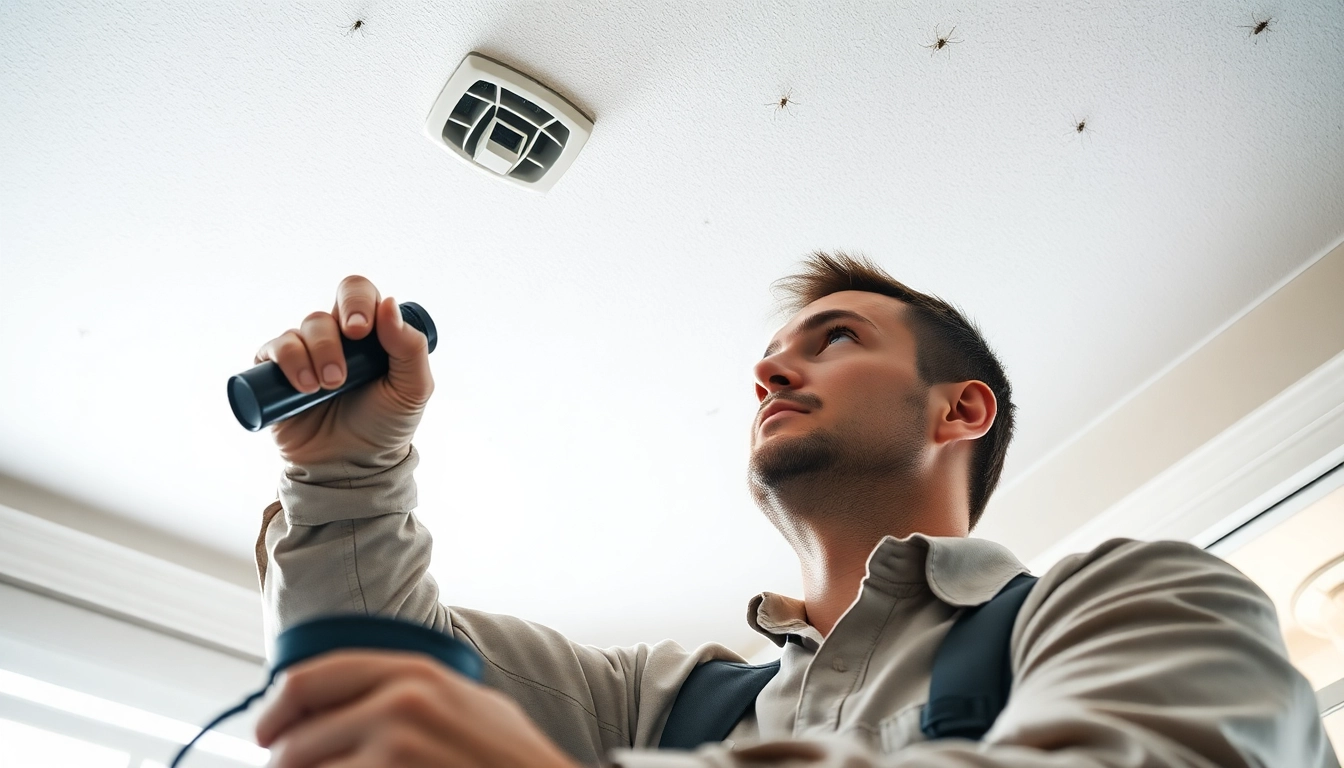


Understanding Basement Bug Issues
Basements often serve as a refuge for various pests, creating a significant concern for homeowners. Understanding the nature of these infestations is the first step towards effective basement bug removal. This section delves into the types of insects commonly found, signs of infestation, and the reasons these bugs are drawn to such areas.
The Types of Bugs Commonly Found in Basements
Basements can host a wide variety of unwanted guests. The most common include:
- Silverfish: Preferring damp and dark spaces, these pests can damage paper, clothing, and even wallpaper.
- Spiders: While many are harmless, their presence can indicate other pest problems and may cause distress to some homeowners.
- Ants: Often attracted by food sources, they can invade homes through cracks and small openings.
- Roaches: Particularly fond of dark, moist areas, cockroaches can pose serious health risks through contamination.
- Termites: These wood-destroying insects can cause severe structural damage if left unchecked.
Signs of Infestation and Damage
Identifying signs of pest infestations early can help mitigate the damage and the cost of basement bug removal. Here are some common indicators:
- Droppings: Insects often leave droppings which can vary in size according to the pest.
- Molted skins: Pests like cockroaches and termites shed their skins as they grow.
- Strange noises: Scratching sounds at night could indicate rodents or other pests.
- Damage to materials: This includes gnaw marks, holes, or discolored spots on walls and furniture.
Why Basements Attract Bugs
Several factors contribute to why basements are prone to pest infestations. These areas are typically:
- Damp: High humidity and moisture levels provide an ideal environment for many insects.
- Dark: Most pests are nocturnal and prefer dark environments where they can hide from predators.
- Unkempt: Basements that are cluttered or poorly maintained offer numerous hiding spots and food sources.
Top Methods for Basement Bug Removal
When dealing with a pest issue in your basement, various removal methods can be employed. The choice between natural remedies, professional solutions, or DIY techniques often depends on the severity of the infestation.
Natural Remedies for Safe Pest Elimination
For those seeking less invasive methods for basement bug removal, natural remedies can be effective:
- Essential oils: Oils like peppermint, tea tree, and eucalyptus can repel pests due to their strong scents.
- Vinegar: A mixture of vinegar and water can help to deter insects when sprayed in infested areas.
- Diatomaceous earth: This natural powder is effective against many crawling insects, killing them by dehydrating them on contact.
Professional Solutions for Severe Infestations
When natural remedies fail or the infestation is particularly severe, calling in pest control professionals may be necessary:
- Inspection: Professionals can conduct a thorough inspection to identify the extent of the problem.
- Treatment plans: They will create a customized plan that often includes chemicals and traps designed for specific pests.
- Follow-up: Many services provide follow-up visits to ensure the problem does not return.
DIY Techniques for Homeowners
Homeowners can take proactive measures to mitigate pest issues as well. Simple techniques include:
- Regular cleaning: Keeping the basement tidy can deter pests from settling in.
- Sealing gaps: Prevent entry by sealing cracks and holes in the foundation and walls.
- Using traps: Setting up traps for specific pests will help to gauge the severity and effectiveness of removal strategies.
Preventing Future Bug Infestations
A proactive approach is key to ensuring that your basement remains pest-free. Continual effort in maintenance and prevention can significantly reduce the chances of recurrence.
Best Practices for Basement Maintenance
Maintaining a clean and dry basement is vital:
- Dehumidifiers: Utilize dehumidifiers to reduce moisture levels, making conditions less inviting for pests.
- Regular inspections: Conduct monthly inspections to identify signs of pests or water damage early.
- Proper ventilation: Ensure adequate airflow in the basement to prevent moisture buildup.
Sealing Entry Points and Vulnerable Areas
Prevention starts with sealing potential entry points. Consider the following:
- Windows and doors: Install screens on windows and ensure doors close properly.
- Cracks: Fill any cracks in the basement walls or foundation with concrete filler or caulk.
- Vents and ducts: Cover vents with mesh to prevent insect entry.
Using Repellents and Deterrents Effectively
For continued protection, the use of repellents can be very useful:
- Natural sprays: Create sprays using essential oils known to deter pests.
- Store-bought repellents: Follow instructions carefully for any chemical deterrents to ensure effectiveness and safety.
- Barrier methods: Use diatomaceous earth in areas where pests are likely to enter.
Monitoring and Evaluation Techniques
Continuous monitoring is crucial to effectively managing pest populations in your basement.
How to Assess Your Basement for Bugs
Regularly evaluating your basement for warning signs can prevent the escalation of infestations:
- Visual inspections: Look for droppings, webs, and shells regularly.
- Survey for moisture: Check pipes and walls for leaks that could attract pests.
Identifying Signs of Recurrence
If treatments have been administered, watch diligently for any signs of re-infestation:
- Frequent sightings: If you spot the same pests despite treatments, it may indicate a larger issue.
- Damage reappearing: Ongoing material damage may require a second look at your pest control methods.
Using Traps and Baits for Effective Monitoring
Utilizing traps can help gauge the effectiveness of your bug removal strategies:
- Sticky traps: Use these in corners and near entry points to monitor pest activity.
- Bait stations: Effective for attracting and killing specific pests while allowing for easy regular checks.
Frequently Asked Questions About Basement Bug Removal
What are the best methods for basement bug removal?
For effective basement bug removal, consider using both natural remedies and professional pest control solutions. Regular monitoring also helps.
How can I prevent bugs from returning to my basement?
Seal cracks, maintain dry conditions, and ensure proper ventilation. Regular cleaning reduces the likelihood of re-infestation.
Are there DIY solutions for minor infestations?
Yes, natural solutions such as vinegar, essential oils, and diatomaceous earth can help eliminate minor pest issues effectively.
When should I call a professional for basement bug issues?
If you notice severe infestations or significant damage, it’s wise to consult a pest control professional for comprehensive treatment.
Is basement bug removal safe for pets and children?
Many natural pest solutions are safe; however, always check labels and consult professionals to ensure safety for pets and children.