

Introduction to Sliding Door Shower Screen
When it comes to renovating or designing a bathroom, choosing the right shower screen can make all the difference. One popular option is the sliding door shower screen, which combines style and functionality while optimizing space. In this comprehensive guide, we will explore what sliding door shower screens are, their benefits, ideal bathroom setups, materials, styles available, installation tips, maintenance, and frequently asked questions about this modern solution.
What is a Sliding Door Shower Screen?
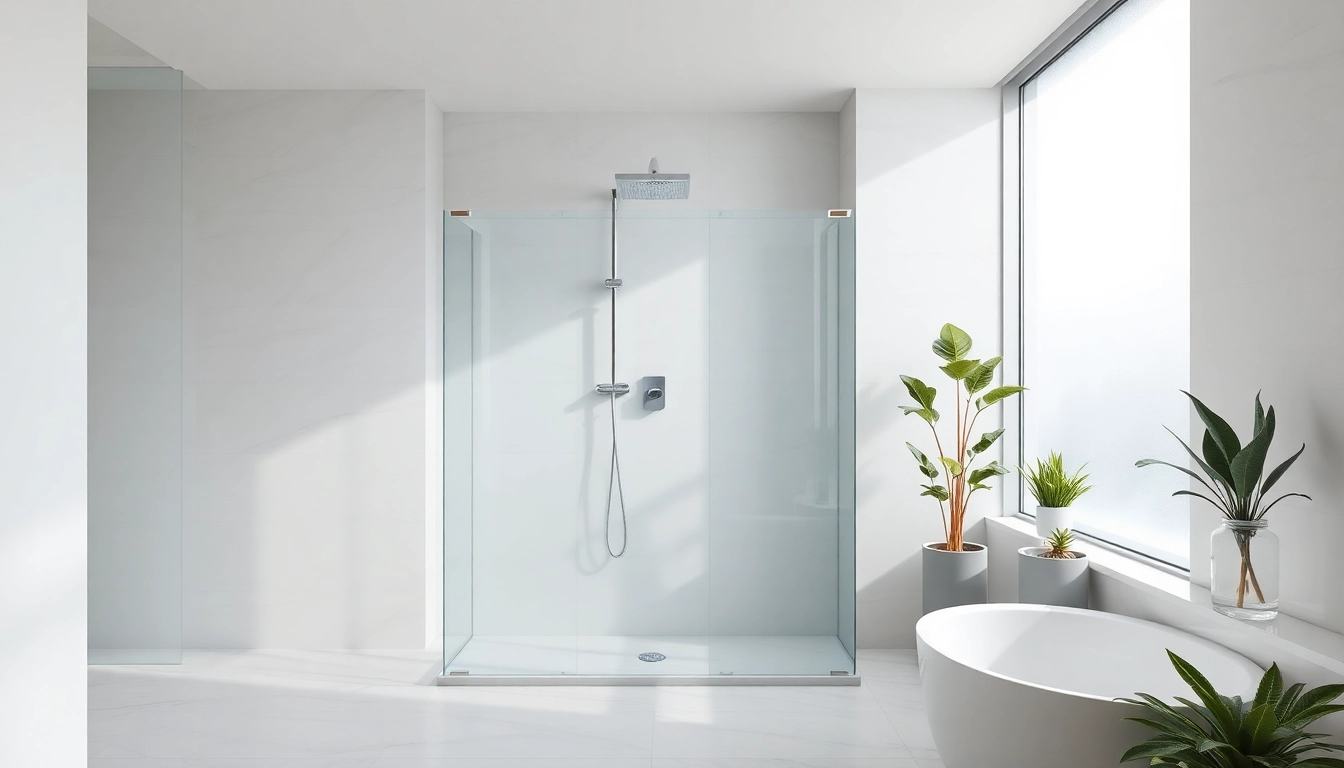
A sliding door shower screen is a type of enclosure that features doors that slide open and closed along a track instead of swinging outward. This design saves space and is particularly beneficial in smaller bathrooms where every inch counts. Made from glass or acrylic materials, these screens can be custom-fitted to a variety of shower sizes and styles.
Benefits of Choosing a Sliding Door Shower Screen
Sliding door shower screens offer several benefits that make them a popular choice among homeowners and designers alike:
- Space Efficiency: Sliding doors do not need extra clearance to swing open, making them an ideal choice for compact spaces.
- Easy Access: The glide mechanism allows for convenient access, making in-and-out of the shower hassle-free.
- Design Versatility: Available in various designs and finishes, they can enhance the overall aesthetics of a bathroom.
- Reduced Water Spillage: Sliding screens can provide a tight seal, minimizing water leakage outside the shower area.
- Low Maintenance: With fewer moving parts and robust materials, sliding door shower screens are generally easy to clean and maintain.
Ideal Bathrooms for Sliding Door Shower Screens
While sliding door shower screens are versatile enough to fit in various bathroom styles, they are particularly beneficial in the following scenarios:
- Small Bathrooms: In tight spaces, where door clearance might be limited, sliding doors offer an ideal solution.
- Modern Bathrooms: Their sleek and contemporary design complements a modern bathroom aesthetic perfectly.
- Guest Bathrooms: These screens provide ease of access and function without compromising style, making them suitable for guest facilities.
Materials and Styles Available
Popular Materials for Sliding Door Shower Screens
Understanding the materials used in sliding door shower screens is crucial for choosing the right product. Here are the most commonly used materials:
- Tempered Glass: Known for its strength and durability, tempered glass is often the material of choice for shower screens due to its safety features. When broken, it shatters into small, less harmful pieces.
- Acrylic: Acrylic screens are lighter and less expensive than glass but may scratch more easily. They can be a good option for budget-friendly renovations.
- Frameless Glass: Frameless designs provide a minimalist look and are easier to clean. They rely on sturdy hardware to maintain their structure.
- Framed Glass: Framed screens use metal frames to provide stability and are often more affordable than their frameless counterparts.
Design Styles to Consider
When selecting a sliding door shower screen, consider the design style that will best fit your bathroom. Here are some popular choices:
- Minimalistic Designs: Clean lines and simple structure appeal to modern aesthetics.
- Traditional Styles: Incorporating decorative frames can enhance a classic bathroom look.
- Industrial Themes: Black frames with glass panels can create an edgy, urban feel.
Frameless vs. Framed Options
Choosing between frameless and framed sliding door shower screens depends on personal preference and bathroom style:
- Frameless: Offers a sleek, open appearance, making spaces feel larger and more airy, but may come at a higher price point.
- Framed: While slightly bulkier, framed options provide durability and are generally more cost-effective.
Installation Guide for Sliding Door Shower Screen
Preparation Steps Before Installation
Successful installation of a sliding door shower screen requires proper preparation. Follow these steps:
- Measure Your Space: Accurately measure the door opening to ensure a perfect fit.
- Select the Right Screen: Choose a screen design and material that suit your bathroom’s layout and aesthetic.
- Gather Tools: Standard tools required include a drill, level, screws, and a measuring tape. Ensure you have everything on hand before starting.
Installation Process: Step-by-Step
Follow these steps for a successful installation:
- Attach the Track: Secure the upper and lower tracks in the designated areas, ensuring they are level.
- Insert the Doors: Hang the sliding doors onto the tracks, ensuring they glide smoothly.
- Install Additional Hardware: Attach handles and any additional support brackets to stabilize the doors.
- Final Adjustments: Make necessary adjustments to ensure proper alignment and operation of the doors.
Common Installation Errors to Avoid
Avoid these common pitfalls to ensure a smooth installation process:
- Incorrect Measurements: Always double-check measurements to avoid costly mistakes.
- Poor Track Alignment: Ensure tracks are perfectly level to assure smooth sliding.
- Neglecting Seals: Failing to install seals correctly can lead to water leakage and damage.
Maintenance Tips for Longevity
Cleaning and Care for Sliding Door Shower Screens
Well-maintained sliding door shower screens can last for years. Here are care tips:
- Regular Cleaning: Use a non-abrasive cleaner suitable for glass surfaces to keep your doors crystal clear.
- Rinse After Use: Rinsing down surfaces with water can help reduce soap scum buildup.
- Check Hardware: Regularly inspect tracks and rollers for dirt buildup or wear and replace them if necessary.
How to Address Common Issues
Being proactive about potential issues can prolong the life of your sliding door shower screen:
- Sticking Doors: If doors stick, clean the tracks and lubricate them with a silicone-based lubricant.
- Water Leakage: Check seals and replace them if they become dislodged or cracked.
When to Consider Professional Help
If you encounter significant installation issues, structural problems, or cannot properly align the door, reaching out to a professional installer can save time and ensure a correctly fitted screen.
FAQs About Sliding Door Shower Screen
How Much does a Sliding Door Shower Screen Cost?
The cost can vary widely based on the material and design. Generally, expect to pay between $700-$2,000 for a typical sliding door shower screen.
Can I Install a Sliding Door Shower Screen Myself?
Yes, DIY installation is possible if you follow the guidelines correctly. Just ensure you have the right tools and accurate measurements.
What Size Options Are Available for Sliding Door Shower Screens?
Sliding door shower screens come in various sizes, commonly ranging from 48 inches to over 72 inches to fit different bathroom layouts.
Are Sliding Door Shower Screens Safe for Families?
Yes, they are safe for families. Ensure that tempered glass is used, providing safety in case of breakage, and check that there are no sharp edges.
How Do I Achieve a Seamless Look with My Sliding Door Shower Screen?
To create a seamless look, opt for frameless designs, and ensure that the screen’s finish complements your bathroom’s overall decor.