
What Are Peel and Stick Wall Panels?
Definition and Overview
Peel and stick wall panels are a type of decorative wall covering that offers a simple and convenient solution for homeowners seeking to enhance their living spaces. These panels come pre-coated with an adhesive backing, which allows for easy installation—requiring no nails or tools. With their increasing popularity, they are often used in both residential and commercial settings. As a versatile option, these wall panels can transform any wall surface, creating an entirely new aesthetic with minimal effort.
Combining functionality with aesthetic appeal, peel and stick wall panels are available in a variety of materials, styles, and finishes. From faux wood grain to vibrant colors and textures, they cater to various tastes and interior design styles, making them an attractive option for those looking to refresh or completely redesign their spaces.
Material Options
The materials used in peel and stick wall panels can vary widely, contributing to their diverse applications and visual effects:
- PVC (Polyvinyl Chloride): One of the most common materials, PVC panels are lightweight and moisture-resistant, making them ideal for kitchens and bathrooms.
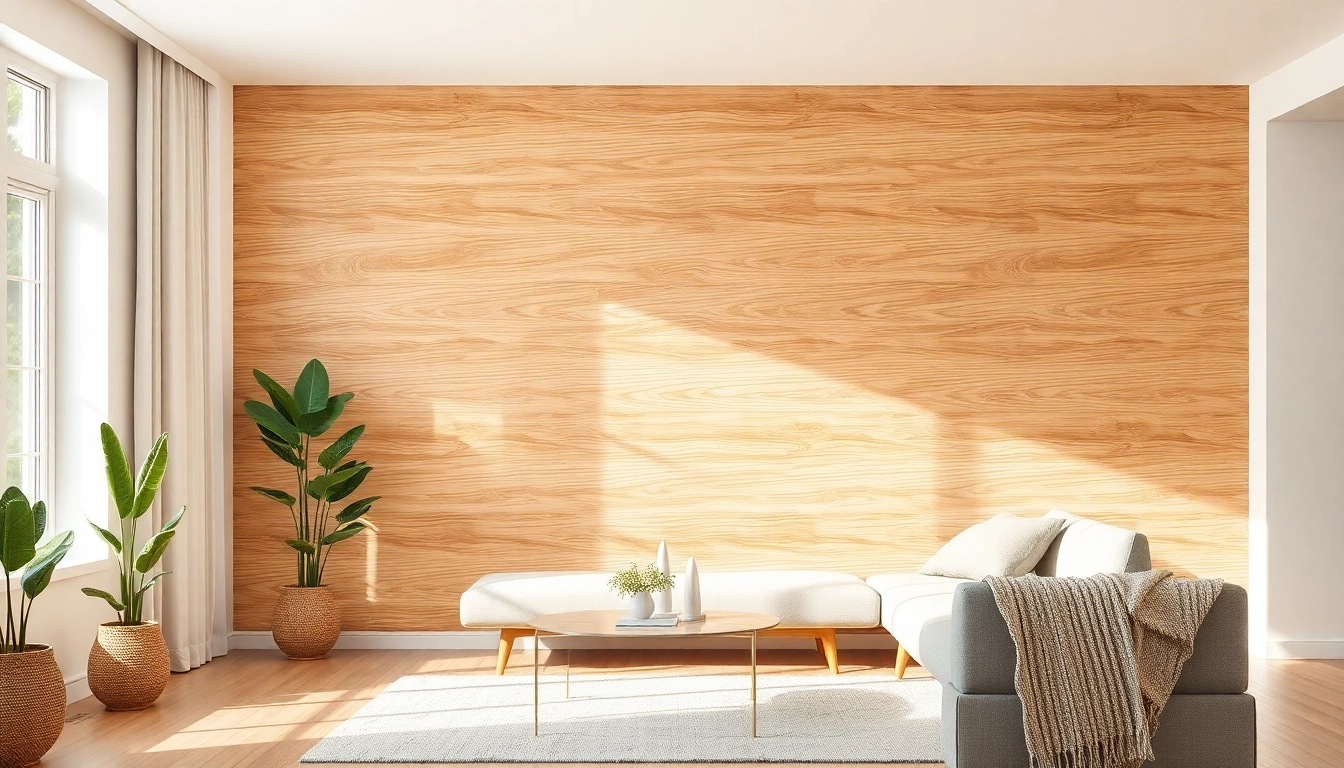
- Wood Veneer: For those seeking a natural look, wood veneer panels can provide an authentic feel while being easier to install than traditional wood paneling.
- MDF (Medium Density Fiberboard): MDF panels are often used for more intricate designs and patterns, providing a smooth surface that can be painted or stained.
- Fabric: Some peel and stick panels come in fabric options, allowing for additional texture and comfort, often used in bedrooms and living rooms.
- Mosaic Tiles: These panels imitate the appearance of tiled surfaces, offering a sophisticated look without the need for grouting.
Applications in Home Decor
Peel and stick wall panels have a wide range of applications in home decor:
- Accent Walls: They are perfect for creating accent walls that can serve as focal points in any room.
- Kitchens: Used as backsplashes, these panels can add a modern touch while being easy to clean.
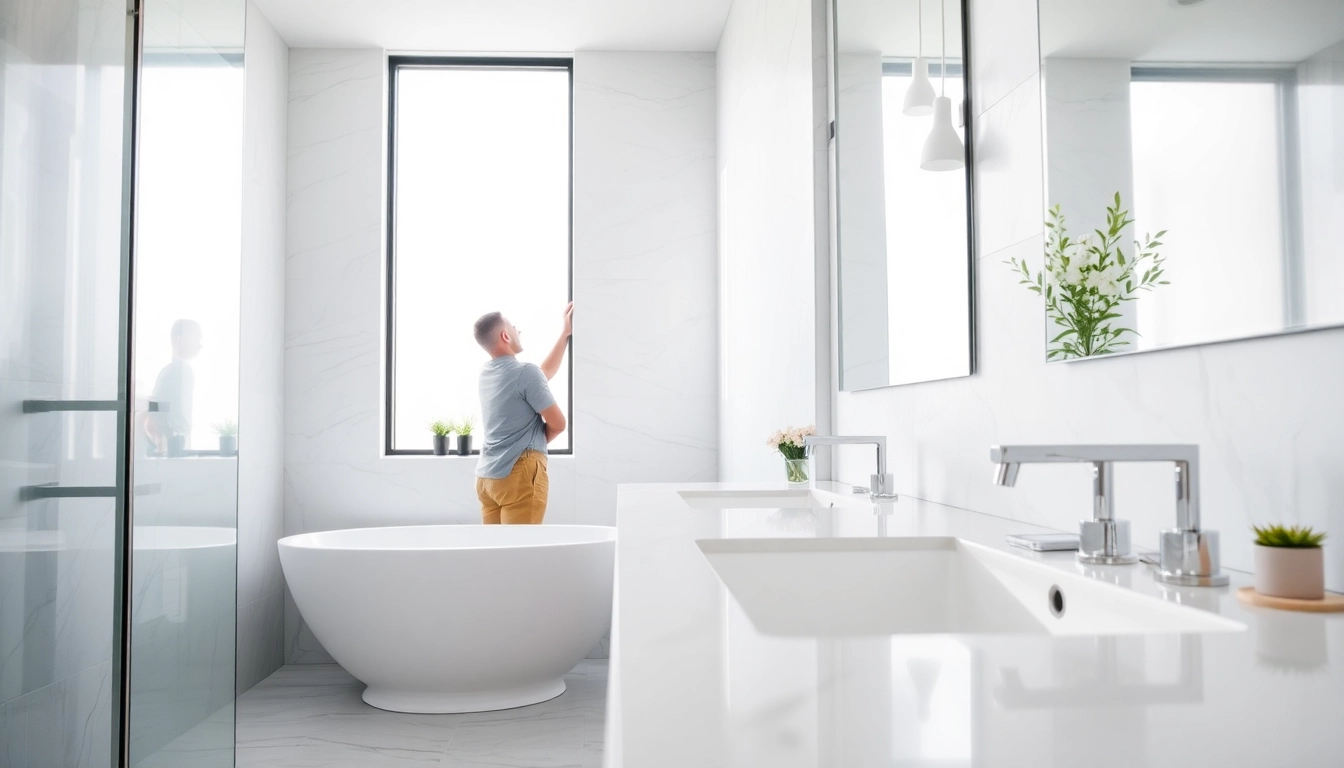
- Bathrooms: Water-resistant varieties can be installed in humid environments, adding style without the hassle of traditional tiling.
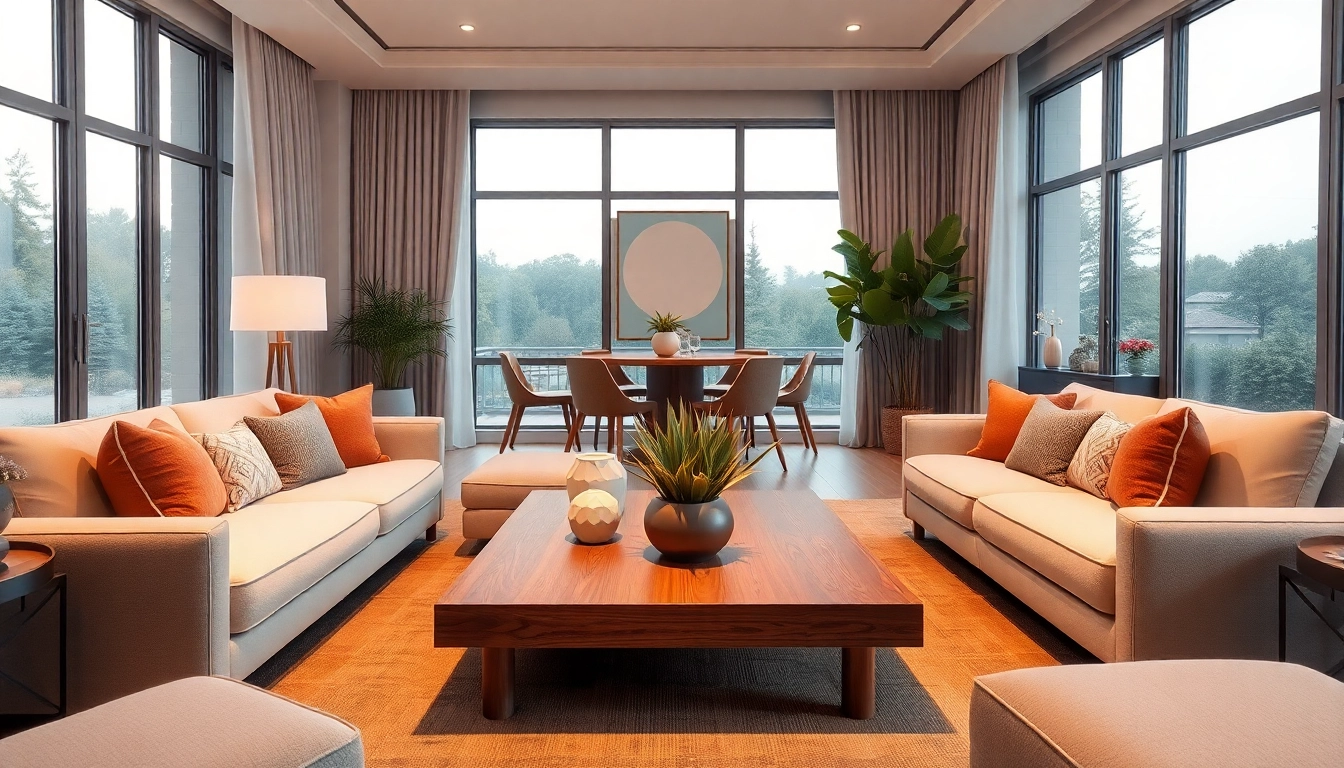
- Living Rooms: Create a cozy atmosphere by using textured wood panels or fabric finishes.
- Bedrooms: Add visual interest with soft colors or patterns that reflect personal style.
Benefits of Peel and Stick Wall Panels
Easy Installation Process
One of the most significant advantages of peel and stick wall panels is their straightforward installation process. Unlike traditional wall coverings that require complex tools and skills, these panels can be installed by virtually anyone. Here are some key points regarding the installation:
- No Tools Required: The adhesive backing eliminates the need for nails or glue, making them perfect for DIY projects.
- Quick Application: Many users can complete their projects in just a few hours, transforming a space overnight.
- Reusable: High-quality panels can be removed and repositioned without damaging the wall, allowing for an adaptable design approach.
Cost-Effective Option for Homeowners
Peel and stick wall panels are a cost-effective solution for homeowners looking to renovate spaces without breaking the bank. Consider the following cost advantages:
- Lower Material Costs: The price of peel and stick panels is generally lower than traditional wall treatments, such as tiles or wood paneling.
- DIY Installation Savings: By avoiding labor costs from professional installers, homeowners can save significantly.
- Long-Term Value: With durability and easy maintenance, these panels can represent a smart investment over time, requiring fewer replacements.
Design Versatility for Various Spaces
Peel and stick wall panels are available in an expansive range of styles, colors, and textures, catering to every design preference. Their versatility allows homeowners to:
- Match Existing Decor: Panels can be selected to complement a wide array of interior themes, from rustic farmhouse to ultra-modern.
- Experiment with Styles: Changing panels to reflect current trends or personal tastes is simple, allowing for flexibility in design.
- Create Unique Patterns: With various sizes and styles, users can mix and match panels to create customized looks.
Choosing the Right Peel and Stick Wall Panels
Style and Aesthetic Considerations
Selecting the right peel and stick wall panels necessitates a consideration of the existing decor and personal style preferences:
- Color Schemes: Identify the color palette of the room and select panels that either match or contrast effectively to enhance the aesthetic appeal.
- Texture: Consider whether a smooth finish or textured surface will best suit the overall design and functionality of the space.
- Patterns: Opt for solid colors for a minimalist design or patterned panels for a more dynamic and lively atmosphere.
Durability and Maintenance Features
Durability is a critical factor when choosing peel and stick panels. Different materials will offer varying levels of durability:
- Moisture Resistance: For areas like kitchens and bathrooms, panels that are moisture-resistant will ensure longevity and reduce the risk of warping.
- Impact Resistance: Some panels are designed to withstand wear and tear, making them suitable for high-traffic areas.
- Easy Cleaning: Opt for panels that can be easily wiped down or cleaned without damaging the surface.
Color and Pattern Selection Tips
Choosing colors and patterns for peel and stick wall panels can significantly impact the feel of a room:
- Light Colors: Helps create an illusion of space and openness, making them ideal for smaller rooms.
- Dark Tones: Can add warmth and coziness, perfect for larger areas or specific accent walls.
- Bold Patterns: Great for showcasing a personality in a space but should be balanced with more subdued furniture and decor.
Installation Tips for Peel and Stick Wall Panels
Surface Preparation Guidelines
Proper surface preparation is crucial for ensuring the longevity of peel and stick wall panels:
- Clean the Surface: Ensure that the wall is clean, dry, and free of dust or grease to promote strong adhesion.
- Repair Imperfections: Fill in holes or cracks and sand the surface smooth to facilitate a flawless application.
- Measure Correctly: Measure wall dimensions accurately to avoid miscalculating the number of panels needed.
Step-by-Step Installation Guide
Following a systematic installation process enhances the efficiency and effectiveness of the project:
- Plan Layout: Determine the layout and order of the panels to achieve a cohesive design.
- Peel Adhesive Backing: Starting from one corner, gently peel the backing and align it against the wall.
- Press Firmly: Gradually press the panel down while smoothing it out to remove air bubbles.
- Trim Edges: Use a sharp utility knife to trim excess panel along edges or corners for a clean finish.
- Continue Installation: Repeat the process with subsequent panels, ensuring they fit snugly together for a seamless look.
Common Mistakes to Avoid During Installation
Being aware of common pitfalls can save time and frustration during installation:
- Inadequate Surface Preparation: Not cleaning or repairing the wall can lead to poor adhesion.
- Miscalculating Measurements: Ensure to double-check measurements before cutting to avoid wastage.
- Ignoring the Temperature: Installing in unsuitable temperatures can affect adhesion; ensure the environment is optimal.
Frequently Asked Questions
What are the downsides of peel and stick wall panels?
While peel and stick wall panels are convenient, they may not adhere well to textured or uneven surfaces, which can affect their longevity.
How long do peel and stick wall panels last?
With proper installation and care, peel and stick wall panels typically last between five to ten years, making them a durable option.
Can they be removed easily?
Yes, most peel and stick wall panels can be removed without causing damage to the underlying wall, making them great for renters.
Are peel and stick wall panels waterproof?
Many peel and stick wall panels are water-resistant, making them suitable for kitchens and bathrooms, though it depends on a specific product’s quality.
Can I paint over peel and stick wall panels?
Some panels can be painted, but it’s essential to check with the manufacturer for compatibility to ensure a lasting finish.