

1. Understanding the Cape Cod Home Style
1.1 History and Evolution
The cape cod home style is a significant aspect of American architectural history, particularly in the northeastern United States. Originating in the 17th century, these homes were designed out of necessity and practicality. The early settlers of Cape Cod constructed small, one-and-a-half-story homes, primarily using local timber. The harsh coastal climate influenced their design, making steep roofs, durable shutters, and compact layouts essential features. Over the years, this style has evolved, merging traditional elements with modern conveniences while retaining the classic charm that characterizes Cape Cod architecture.
1.2 Key Architectural Features
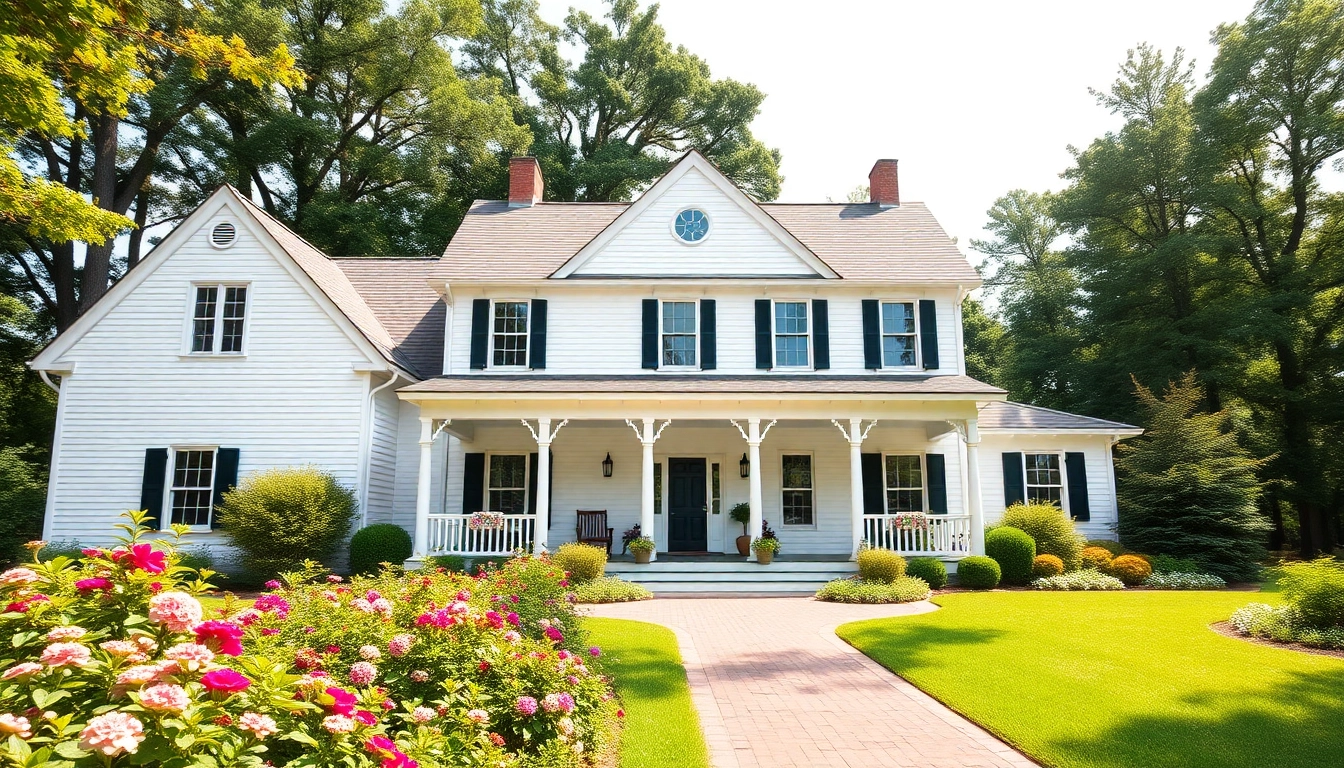
Recognizing the characteristics of a classic Cape Cod home is essential for enthusiasts and homeowners alike. First, these homes feature symmetrical facades with evenly spaced windows and a centered front door. The steep, pitched roof serves both aesthetic and functional purposes, aiding in water runoff during rain and snow. Dormer windows are common, providing additional light and space in the upper levels. Exteriors are typically clad in wood siding painted in muted colors, evoking a sense of timelessness and tranquility. Inside, the layout tends to be open, emphasizing functionality and comfort with rustic features like exposed beams and hardwood floors.
1.3 Common Design Misconceptions
Despite the popularity of the cape cod home style, several misconceptions exist. One prevalent belief is that Cape Cod homes must be small. While many traditional structures are compact, modern iterations can be large and spacious. Another misconception is that these homes must adhere strictly to historical designs; in reality, adaptations can reflect personal style while honoring the original aesthetics. Additionally, some believe that Cape Cod homes are solely for coastal areas, but their appeal has spread nationwide, making them a popular choice in various settings.
2. Planning a Cape Cod Home Expansion
2.1 Assessing Your Current Space
Before planning an expansion for your Cape Cod home, a thorough assessment of your existing space is essential. Begin by evaluating the foundational structure and layout. Consider factors such as the number of rooms, available square footage, and overall condition of the building. Engaging with an architect specializing in Cape Cod design can provide insights into potential modifications and enhancements. Observe the flow of your current space, noting areas where improvements can be made to enhance functionality and aesthetic appeal.
2.2 Key Considerations for Design
When designing an expansion for a cape cod home, several important factors must be taken into account. First, ensure that the new design harmonizes with the architectural style of the existing structure. This includes maintaining similar rooflines, siding materials, and window placements. Additionally, think about the orientation of your home and the sunlight exposure. Creating spaces that utilize natural light can significantly enhance the living experience. Finally, consider your needs and lifestyle; whether it’s a larger kitchen, more bedrooms, or additional living space, ensure the design accounts for your family’s requirements.
2.3 Permits and Legal Considerations
Before commencing any expansion project, it is crucial to navigate the legal landscape surrounding building permits. Depending on your location, zoning laws can dictate what modifications are permissible. Consult local zoning regulations and work closely with an architect or contractor who understands the specific requirements for Cape Cod home expansions. Be prepared to present plans for approval, as obtaining permits can be a time-consuming process, but it is necessary for compliance and long-term property value preservation.
3. Integrating an Attached Garage
3.1 Benefits of an Attached Garage
Incorporating an attached garage into your cape cod home offers a multitude of benefits. Primarily, it provides convenient access to your vehicle, especially in inclement weather. Additionally, attached garages can enhance the curb appeal of your home by complementing its design. They also serve as valuable storage spaces for tools, bicycles, and outdoor equipment, contributing to a more organized living environment. From a financial standpoint, adding a garage can boost property value while appealing to potential buyers.
3.2 Design Options for Your Garage
When considering design options for your attached garage, it is vital to reflect the architectural style of your Cape Cod home. A common choice is to incorporate similar siding materials and roofing styles to ensure visual harmony. Many homeowners opt for gable-style roofs that echo the main structure and use windows to enhance natural light. Additionally, consider integrating a front porch or entry feature that connects the garage to the house, creating an inviting transition between spaces.
3.3 Garage Material and Finishing Choices
The choice of materials and finishes for your garage can significantly impact the overall aesthetics of your Cape Cod home. Wood siding is a popular choice for its natural look that complements the coastal environment, but it requires regular maintenance to prevent rot and weather damage. Alternatively, vinyl or composite materials can offer long-lasting durability with less upkeep. When it comes to finishes, selecting colors that align with the existing exterior helps to promote a cohesive look, enhancing the charm of your home.
4. Landscaping Around Your Cape Cod Home
4.1 Choosing the Right Plants
Landscaping plays a pivotal role in enhancing the beauty of your cape cod home while also taking into account the coastal climate. Opt for native plants that are adapted to sandy soils, salty air, and varying moisture levels. Species such as beach grass, lavender, and ornamental grasses can thrive in these conditions while requiring minimal maintenance. Incorporate a mix of flowering plants for seasonal interest, ensuring their colors complement your home’s exterior palette.
4.2 Creating Functional Outdoor Spaces
Transforming your outdoor areas into functional spaces can significantly enhance your lifestyle. Consider creating areas for dining, relaxation, and recreation that are seamlessly connected to your home’s interior. A well-designed deck or patio can serve as an extension of your living space, ideal for hosting gatherings or enjoying quiet evenings. Integrate pathways using natural stone or gravel that lead to various garden features such as fire pits, seating areas, or vegetable patches, creating a cohesive flow throughout your landscape.
4.3 Maintenance Tips for Coastal Gardens
Maintaining a garden around your Cape Cod home can be a rewarding endeavor, especially when using suitable plant selections. Regular weeding, pruning, and deadheading are essential to keep your garden looking its best. Be mindful of salt exposure from the nearby ocean, as it can harm some plants. Rinsing foliage with fresh water can mitigate salt buildup, promoting healthier growth. When watering, ensure deep and infrequent watering, encouraging roots to grow deep and resist drought conditions.
5. Frequently Asked Questions
5.1 What defines a cape cod home?
A Cape Cod home is typically characterized by its steeply pitched roof, symmetrical facade, and dormer windows. These features provide a timeless yet functional design suitable for coastal climates.
5.2 How do I ensure my expansion complements my cape cod home?
To complement your Cape Cod home, design expansions that reflect its architectural style, using similar materials, rooflines, and color palettes that harmonize with the original structure.
5.3 What should I consider when building an attached garage?
When building an attached garage, consider the aesthetics, functionality, and accessibility. Ensure the design aligns with your home’s architecture while providing convenient access to the main living areas.
5.4 How can landscaping enhance my cape cod home’s appeal?
Effective landscaping can add visual interest, improve curb appeal, and create outdoor functional spaces, making your Cape Cod home feel more inviting and connected to nature.
5.5 Are there specific materials best suited for cape cod homes?
Common materials for Cape Cod homes include wood siding, shingles, and natural stone, all chosen for durability against coastal climates while maintaining the aesthetic charm expected of this architectural style.