
Understanding Timber Frame Solutions
What Are Timber Frame Solutions?
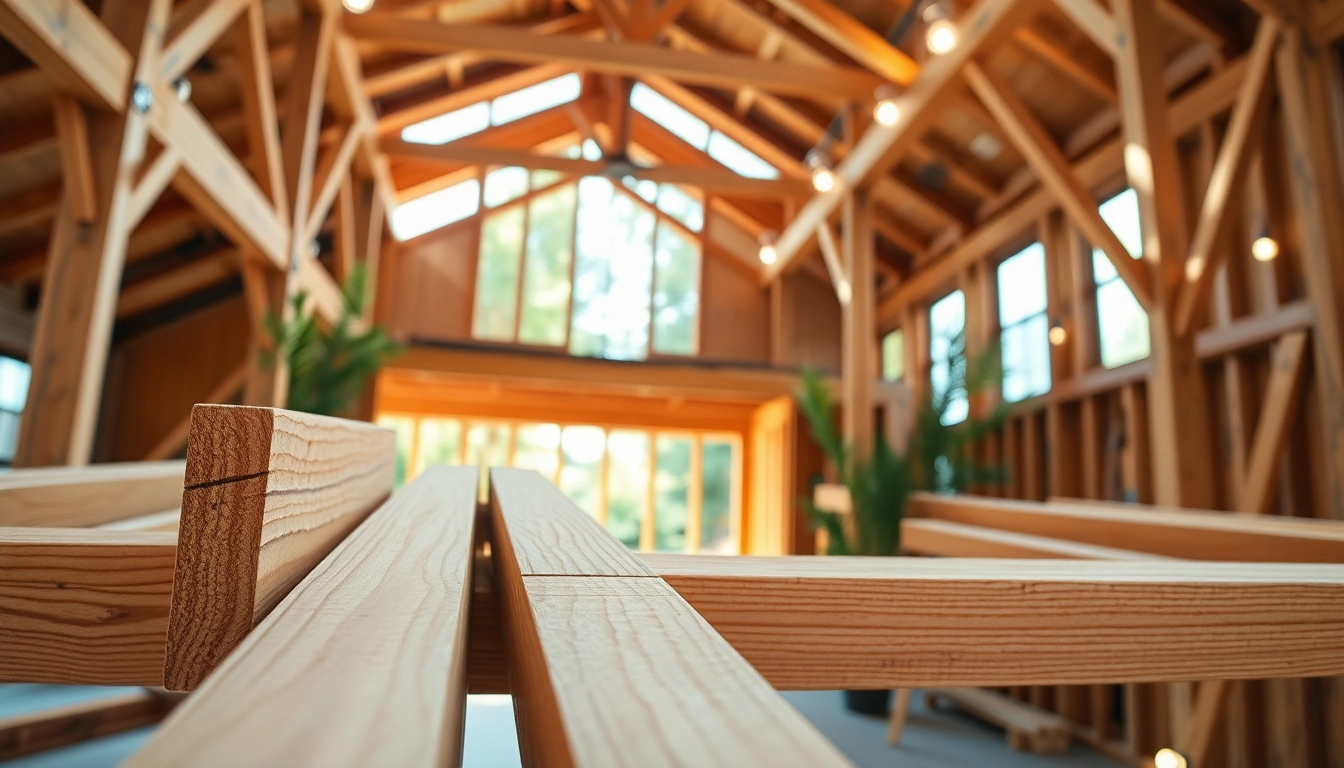
Timber frame solutions represent an innovative construction technique that employs timber for structural support. This method uses a framework of timber beams and columns to create buildings, allowing for flexibility in design and construction. One of the key advantages of timber frame construction is its ability to reduce material waste and energy consumption, making it a preferred choice for many sustainable building projects. Timber is not only aesthetically pleasing, but it can offer excellent thermal performance. By leveraging a combination of engineering skill and modern technology, timber frame solutions ensure robust, efficient, and appealing structures. If you’re seeking to explore these options, you can find more details about timber frame solutions that suit your specific needs.
Benefits of Timber Frame Construction
The benefits of timber frame construction are manifold. First and foremost, timber is a renewable resource, which contributes to reducing the carbon footprint of construction projects. The natural insulation properties of timber lead to energy-efficient buildings, resulting in lower heating costs. Moreover, timber frame construction allows for faster construction times compared to traditional masonry methods. This is due to prefabrication techniques that can streamline the assembly process, minimizing on-site time and labor costs.
Another noteworthy advantage is the design versatility offered by timber frame solutions. Whether aiming for contemporary aesthetics or traditional styles, timber can adapt easily to various architectural visions. Additionally, timber frames can be sustainably sourced, emphasizing responsible forestry practices. Overall, timber frame construction represents a convergence of sustainability, efficiency, and creativity, making it a compelling choice in modern architectural practices.
Materials Used in Timber Frame Solutions
The materials typically used in timber frame solutions encompass a variety of engineered products, including laminated veneer lumber (LVL), glue-laminated timber (glulam), and cross-laminated timber (CLT). Each of these materials offers distinct properties that enhance the structural integrity and aesthetics of timber frame buildings. LVL, for instance, is ideal for beams and headers where high strength is required. In contrast, glulam beams are commonly employed for large spans, making them suitable for open spaces.
Cross-laminated timber adds to this selection by providing excellent fire resistance and structural performance. Additionally, a wide range of finishes and treatments can enhance the longevity and appearance of timber frames, allowing for customization tailored to environmental conditions. When paired with other sustainable materials, such as insulated panels or natural cladding systems, timber frame buildings can achieve superior energy efficiency and environmental credentials.
Choosing the Right Timber Frame Solutions
Assessing Your Project Needs
Before selecting a timber frame solution, it is critical to assess the specific needs of your project. Start by evaluating the intended use of the building; whether it is for residential, commercial, or mixed-use purposes will determine different requirements concerning load capacities, design features, and budget. It’s also essential to consider local building codes and regulations, which can impact timber choice, framing methods, and overall design.
Identifying budget constraints early in the project planning is similarly crucial. Consider not just construction costs, but also long-term operational costs such as maintenance, energy efficiency, and potential future expansions. Utilizing computer-aided design (CAD) will aid in visualizing your project and allow easier adjustments for the best outcomes.
Key Design Considerations
Designing timber frame solutions requires careful consideration of several factors to ensure both functionality and aesthetic appeal. Start with spatial considerations, ensuring that the layout maximizes natural light and views while adhering to the practical aspects of occupancy. The open-plan nature of timber framing lends itself well to this approach.
Next, think about thermal performance. Insulation products and methods significantly impact energy efficiency, and designers should strive to integrate insulation seamlessly into the structural design. The aesthetic choices, including finishes and colors, will also influence the overall ambiance of the space, so these should align with the project’s intended style.
Common Mistakes to Avoid
While designing timber frame solutions, it’s vital to avoid certain common pitfalls. One mistake is underestimating local climate and environmental impacts. The chosen materials and design should be suited to withstand specific weather conditions, such as rain, snow, or sea salt erosion. Furthermore, neglecting adequate insulation can lead to energy inefficiencies, undermining the advantages of timber frame construction.
Another frequent oversight is failing to collaborate with experienced professionals early on. Engaging architects, structural engineers, and construction specialists can help identify potential challenges and ensure compliance with modern standards. Proper planning and communication throughout the project help mitigate various risks associated with timber frame construction.
Implementing Timber Frame Solutions Effectively
Preparation and Planning Steps
The implementation of timber frame solutions begins with thorough preparation. This includes obtaining necessary permits and conducting site assessments to determine soil stability, drainage issues, and any geological conditions that might affect building integrity. A well-defined project timeline that includes milestones for design, material procurement, and construction will enhance project efficiency.
Next, it’s essential to finalize a detailed construction plan that includes assembly methods, timelines, and safety protocols. Consider the sequencing of construction activities, particularly the integration of services like plumbing and electrical work, which should fit seamlessly into the timber structure.
Working with Professionals
Engaging professionals who specialize in timber frame solutions is integral to the success of your project. Architects can help translate your vision into practical designs, while engineers ensure that structural elements meet safety standards. Collaboration with experienced timber contractors can enhance construction quality and efficiency in the execution of your design.
It’s beneficial to conduct regular project reviews with these professionals to monitor progress and adapt plans as necessary. Effective communication can mitigate misunderstandings and help maintain the momentum of the project.
Timeline and Budgeting Overview
Establishing a realistic timeline for timber frame construction is vital, as various factors can influence the duration. Key elements include material sourcing, weather conditions during construction, and the complexity of the design. Working with skilled contractors who can accurately assess timelines will help keep the project on track.
Budgeting for timber frame solutions should encompass initial construction costs and longer-term expenses such as maintenance, energy bills, and repairs. Setting aside a contingency fund is advisable to cover unforeseen issues that might arise during construction. Being proactive in financial planning can greatly enhance the feasibility of your project.
Maintenance and Longevity of Timber Frame Solutions
Best Practices for Maintenance
Regular maintenance is crucial for preserving the structural integrity and appearance of timber frame solutions. Start with a routine inspection schedule that covers roof conditions, joints, mechanical systems, and potential water damage areas. Look for signs of moisture intrusion, pest infestation, or decay that could compromise the structure over time.
Timber frames should be kept clean and free from debris, especially around gutters and eaves, to prevent water retention. Applying protective sealants and stains can enhance wood resilience against UV exposure and moisture. Maintaining landscaping to manage drainage and prevent root growth towards the building foundation is also advisable.
Signs of Wear and When to Repair
It’s important to recognize early signs of wear in timber frame solutions to facilitate timely repairs. Indicators include visible cracks, sagging roofs, or warping of beams. Paint flaking or discoloration can also signify underlying moisture issues. If you observe any of these signs, it’s advisable to consult a professional to assess the extent of the damage and recommend repair strategies.
Waiting too long to address wear can escalate small issues into significant problems, leading to costly repairs and reduced safety. Regular assessments and early intervention are key to the longevity of timber frame structures.
Longevity Expectations
Timber frame solutions are designed to be durable, with an expected lifespan that can exceed 50 years with proper care and maintenance. The longevity of these structures is influenced by factors such as the choice of wood species, environmental conditions, and maintenance practices.
Many timber frame buildings undergo regular refurbishments to refresh their appeal and extend their life. With advancements in material treatments and sustainable practices, the longevity of timber frame solutions will continue to advance, cementing their position as a preferred building method.
Future Trends in Timber Frame Solutions
Innovations in Design and Materials
The future of timber frame solutions is increasingly propelled by innovations in both design and materials. Techniques such as 3D modeling and advanced CAD software are enabling architects to explore more complex geometries and forms. Additionally, reinforcing traditional timber with modern composites, such as bio-based resins, enhances its strength while adhering to sustainable practices.
Smart technology integration is another emerging trend. Buildings equipped with sensors for monitoring moisture levels, temperature, and energy usage are becoming more common, contributing further to sustainability goals and efficient living environments.
Sustainability Focus in Timber Frame Solutions
As environmental consciousness continues to grow, timber frame solutions align with sustainability goals due to their inherent energy-efficient properties. The use of sustainably sourced timber minimizes environmental impact, and modular construction methods reduce waste generated during building processes.
Emerging practices also incorporate low-impact finishing materials that further enhance the sustainability profile of timber frames. These developments make timber frame solutions not just a choice for aesthetics and functionality but also a responsible option for builders and homeowners alike.
Case Studies of Successful Projects
Examining successful projects can provide insights into the effective use of timber frame solutions. Consider a community center built using cross-laminated timber, which showcased not just eco-friendly materials but also innovative design that maximized open communal spaces while minimizing structures’ environmental footprints.
Additionally, a residential project integrating passive design principles exemplified energy efficiency and aesthetic appeal through its open layout and natural wood finishes. Such case studies highlight best practices and inspire future timber frame design, showcasing the material’s potential to create beautiful, functional, and sustainable buildings.
Frequently Asked Questions
What is a timber frame construction?
Timber frame construction involves using timber to create the structural framework of a building, allowing for flexibility in design and efficient construction.
How long do timber frame buildings last?
With proper care and maintenance, timber frame buildings can last over 50 years, depending on the materials used and environmental conditions.
Are timber frame homes energy-efficient?
Yes, timber frame homes are energy-efficient due to their natural insulation properties, which can significantly reduce heating costs.
What maintenance do timber frames require?
Timber frames require regular inspections for signs of wear, moisture damage, and pests, as well as periodic cleansing and protective sealant applications.
Can timber frame solutions be customized?
Absolutely! Timber frame solutions offer extensive customization options in design, finishes, and layouts to meet diverse aesthetic and functional needs.